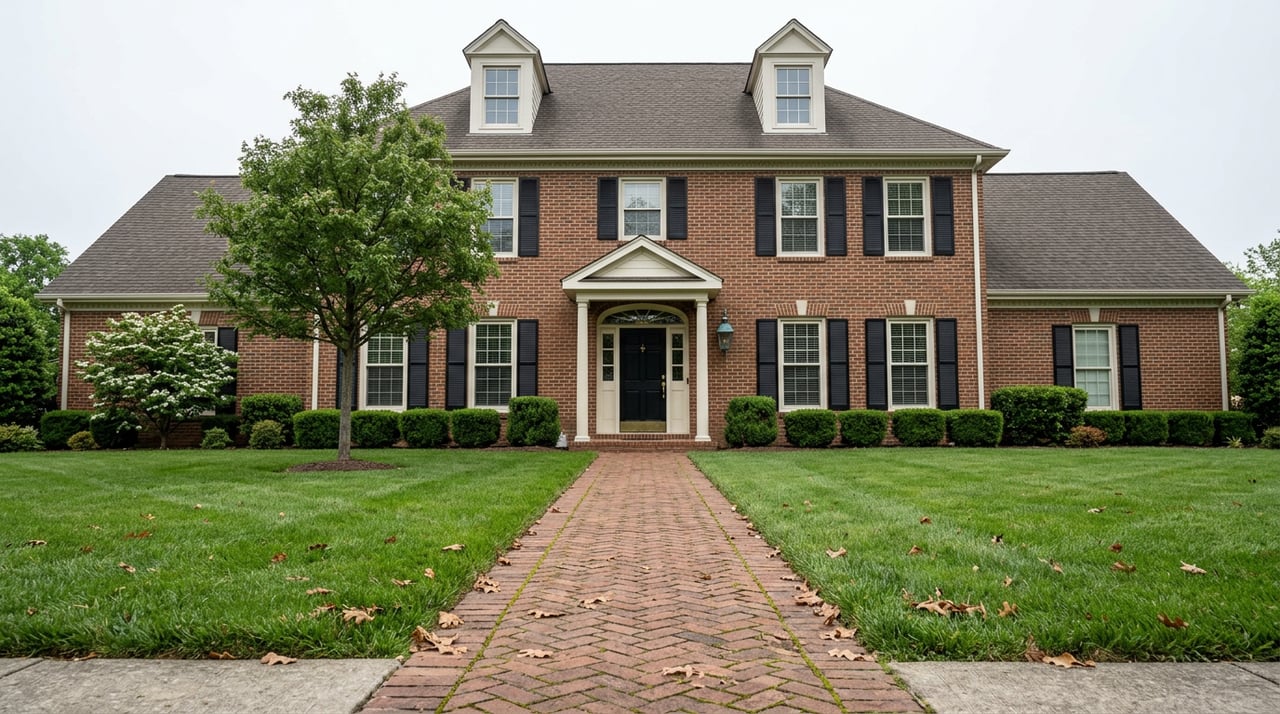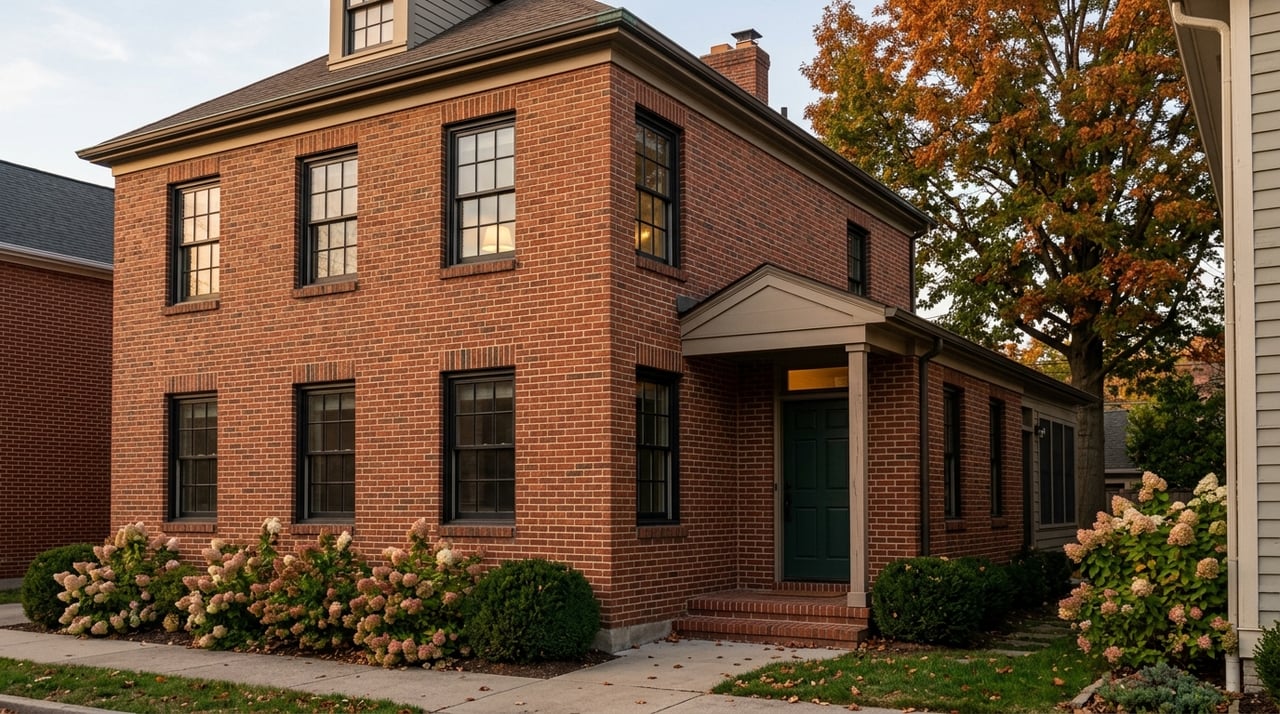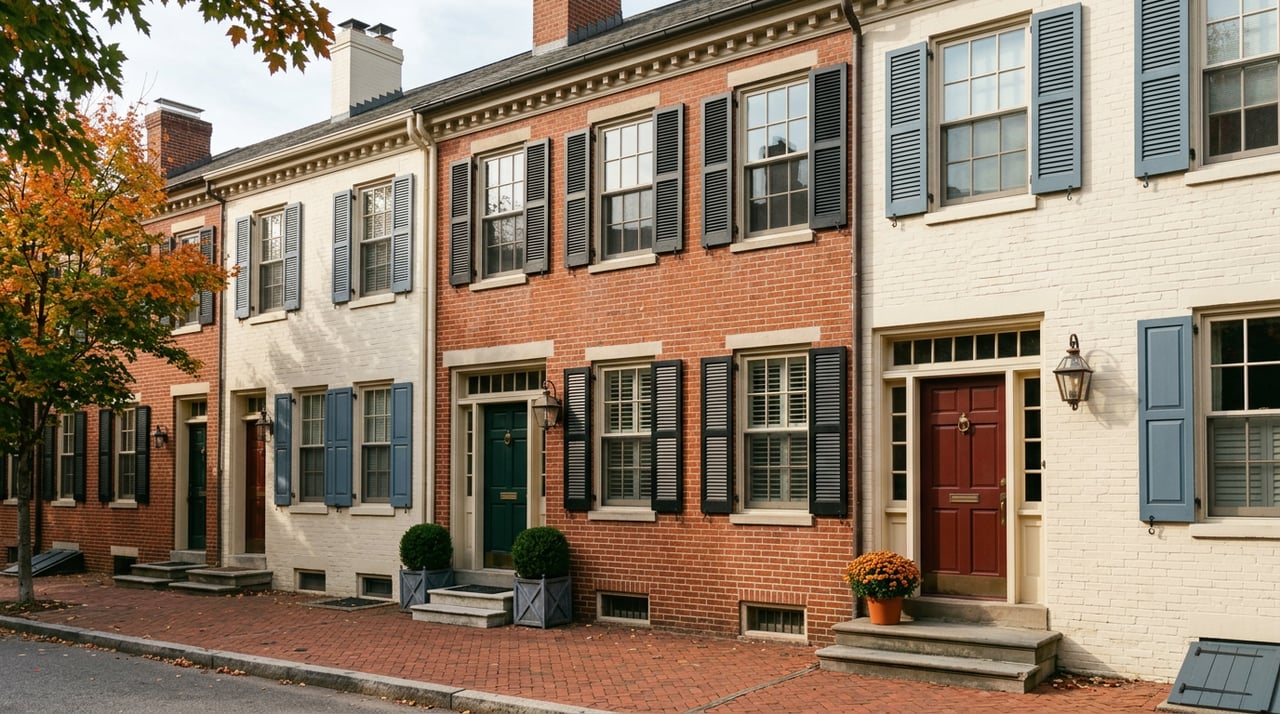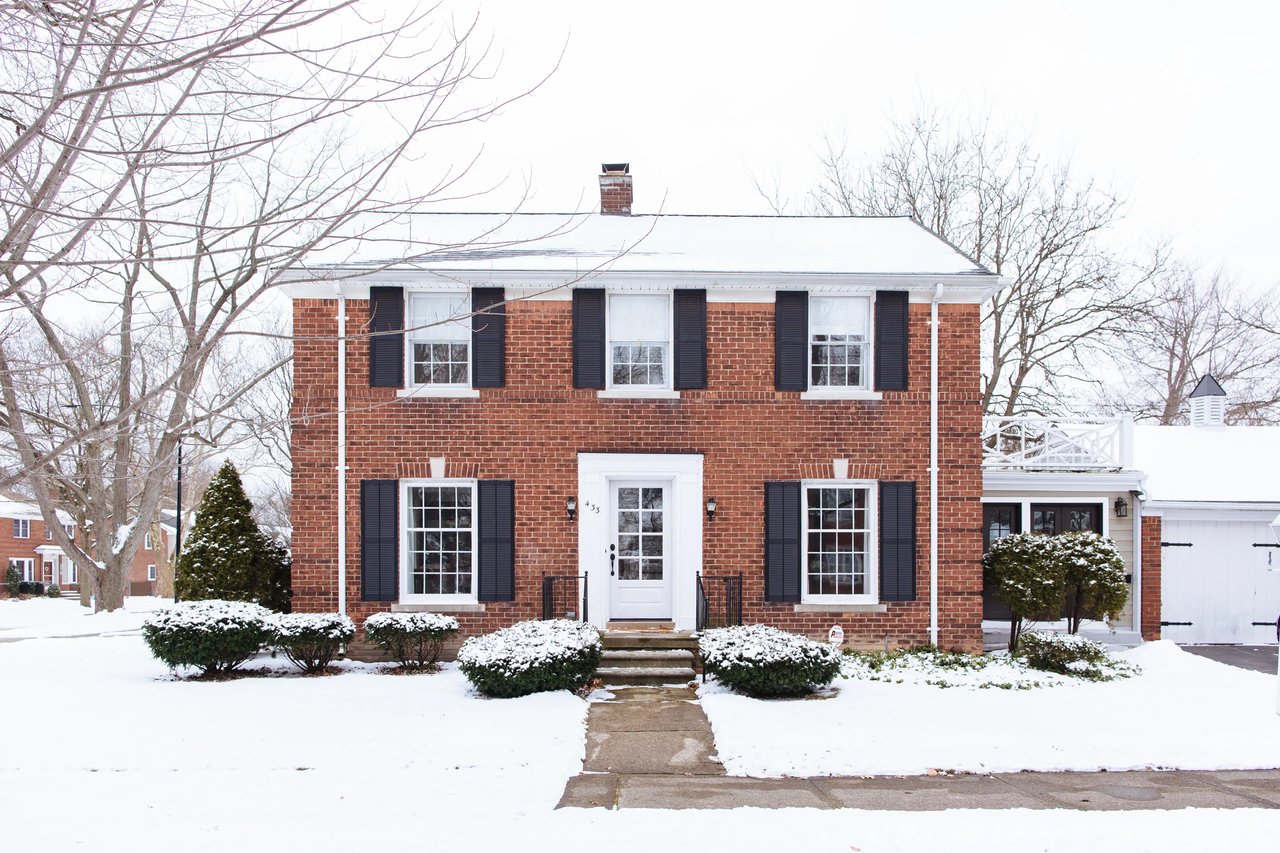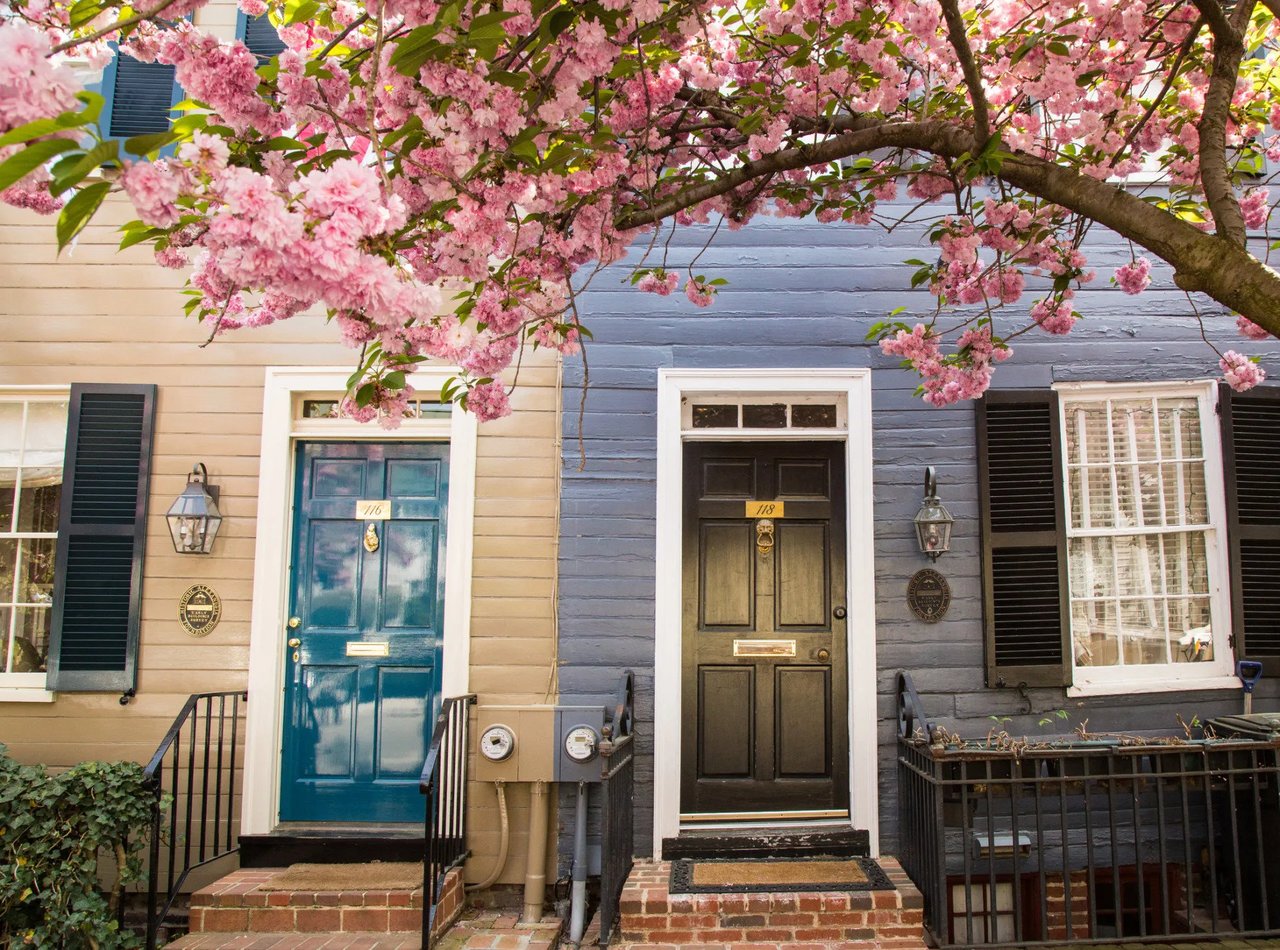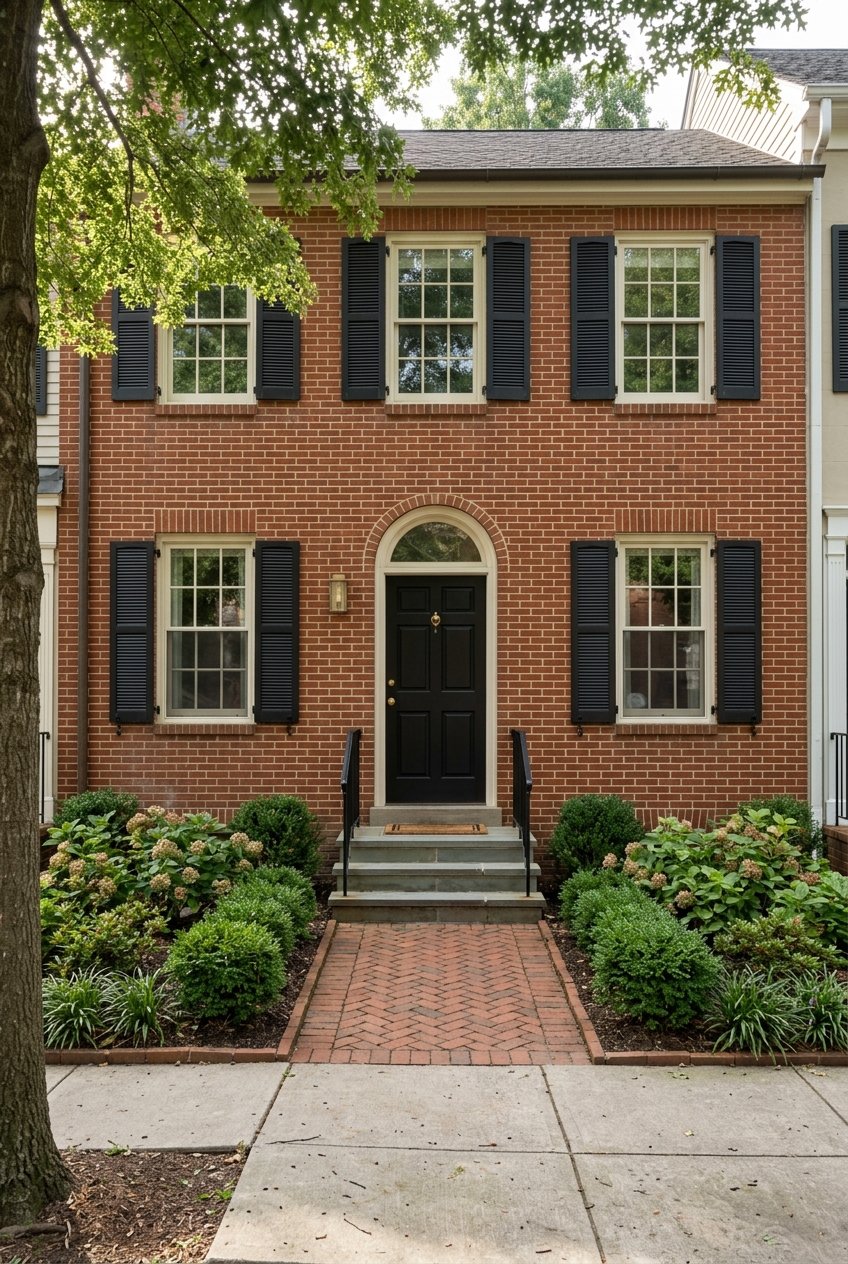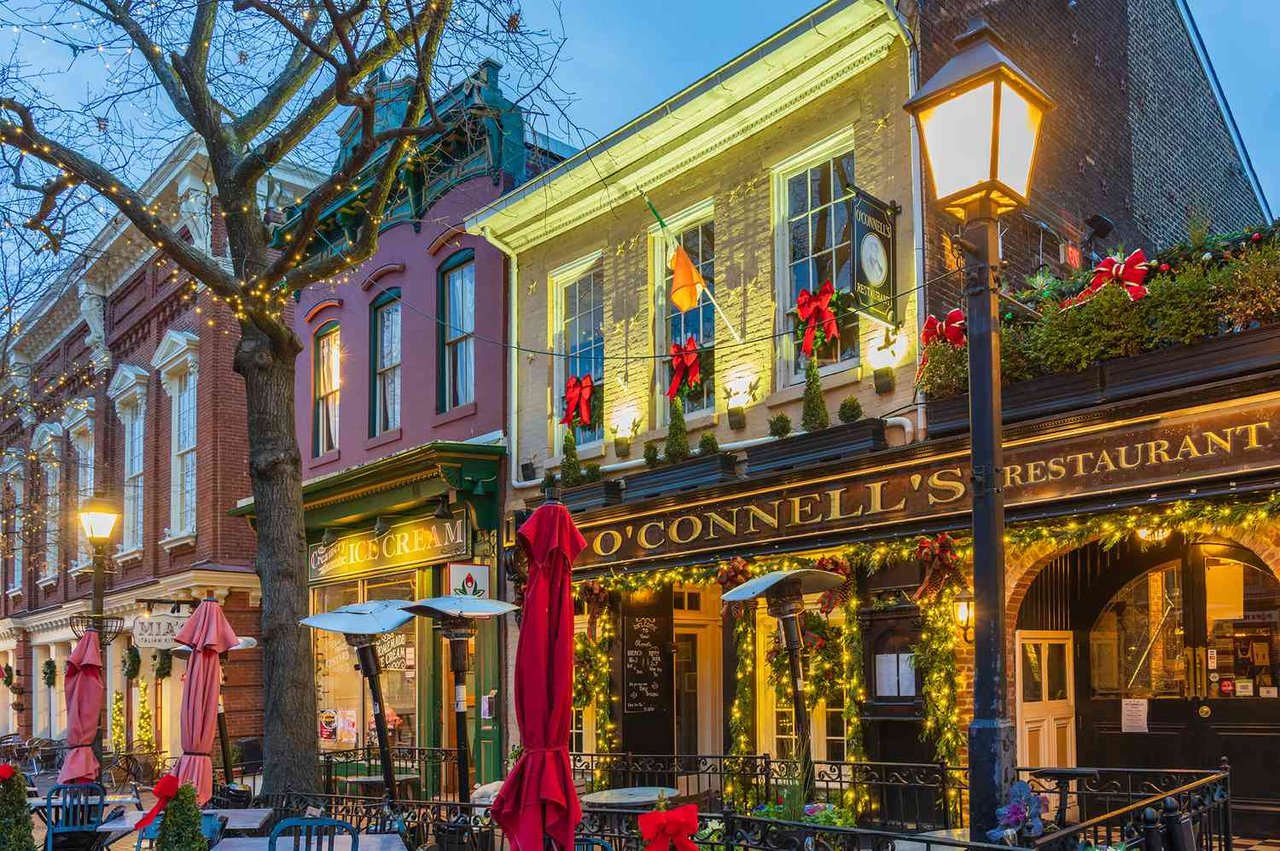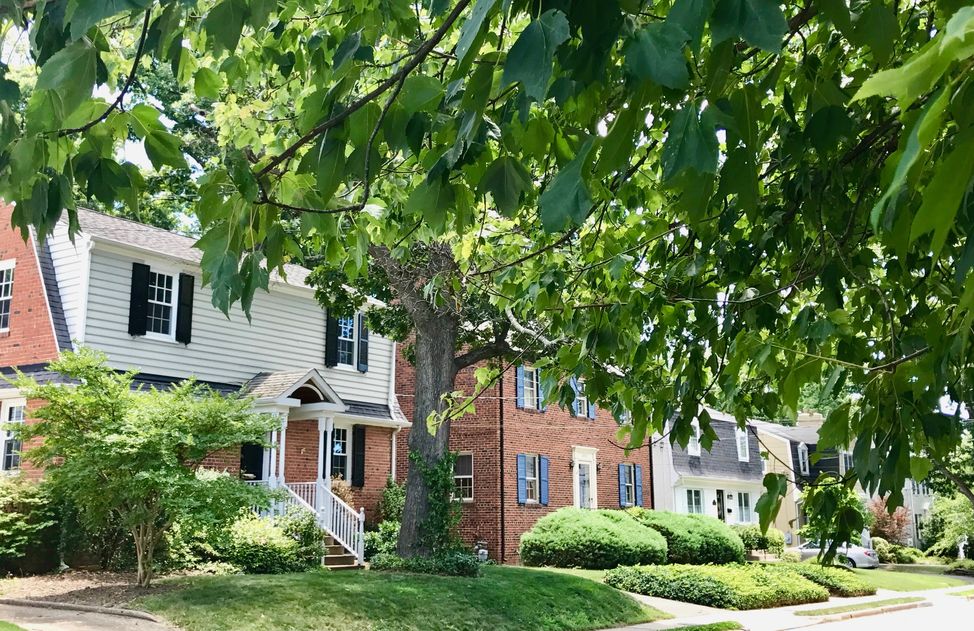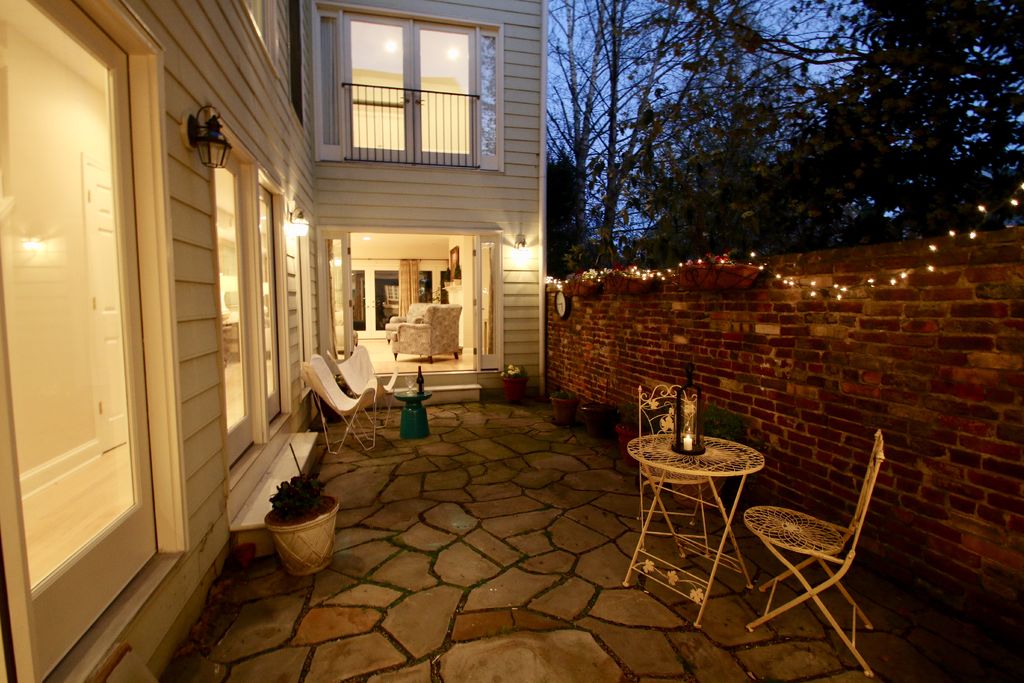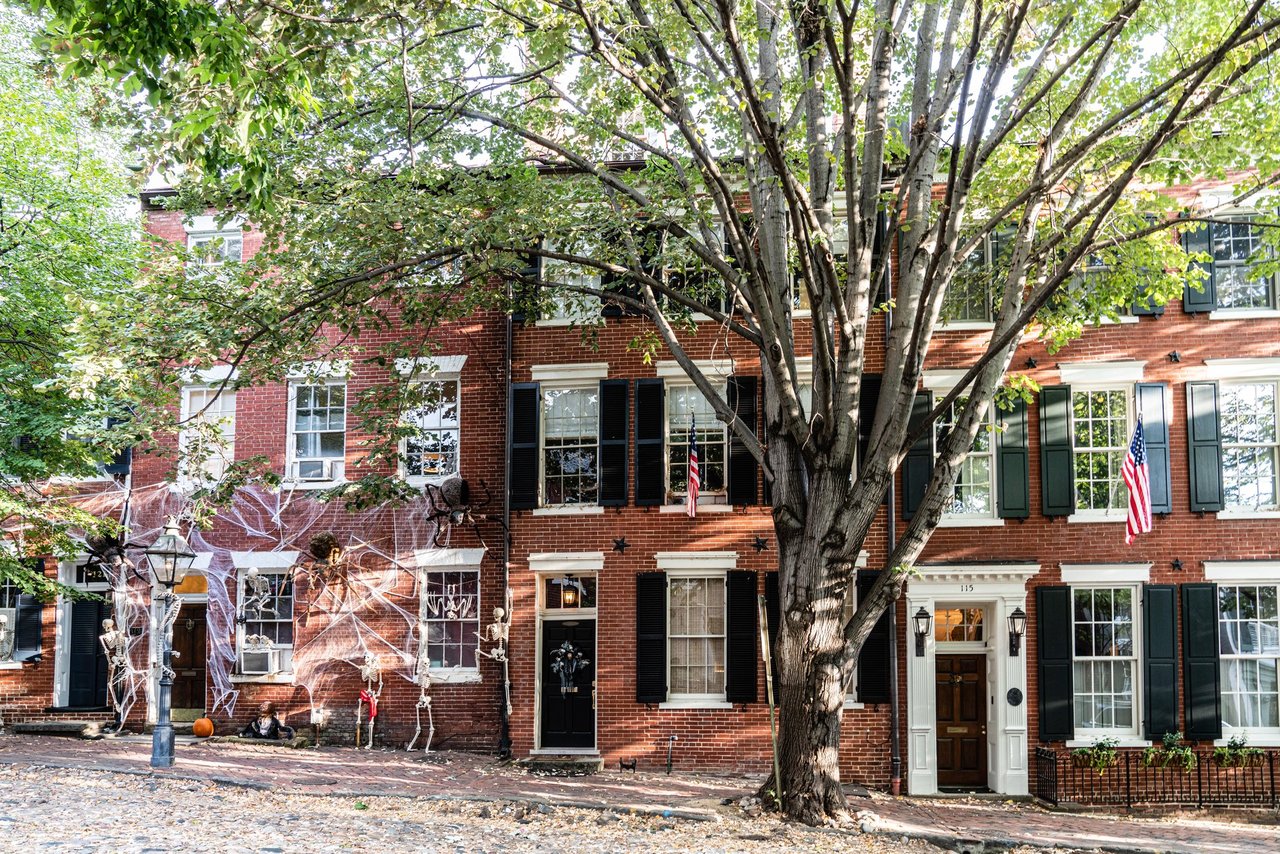
A buyer's inspector walks the exterior of a Prince Street rowhouse, notes a replacement window with a profile that doesn't match the house next door, and asks a simple question: was this approved? The seller doesn't know. Neither does the listing agent, until someone calls the city and discovers the window went in two owners ago, with no Certificate of Appropriateness on file. The sale doesn't collapse. But the leverage in the room shifts, and it shifts fast.
This is not a rare story in the Old and Historic Alexandria District. It is close to a structural feature of selling a home there, and understanding why changes how a seller should prepare, price, and negotiate.
The Rule Attaches to the House, Not the Owner
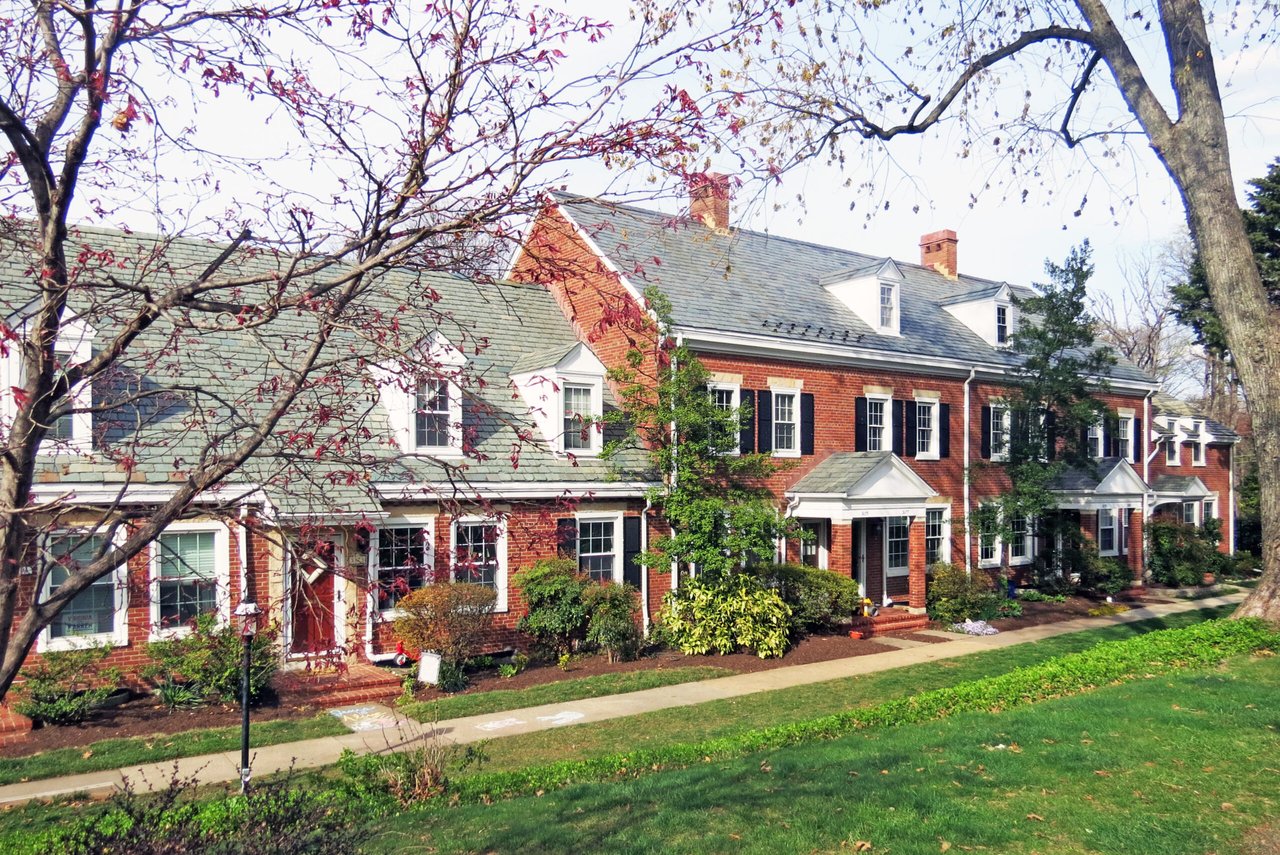
Alexandria's Board of Architectural Review holds binding authority over exterior changes visible from a public street or alley in both the Old and Historic Alexandria District and the Parker-Gray District. A Certificate of Appropriateness covers new construction and exterior alterations. A separate Permit to Demolish is required for any removal of more than 25 square feet of material, whether or not it's visible from the street. Neither approval expires when a house changes hands, and neither obligation resets with a new deed.
That single fact explains most of the friction sellers encounter. Old Town rowhouses regularly pass through their third, fourth, or fifth owner inside a single century. A door swapped in the 1980s, a window replaced before a 2005 refinance, a rear addition built by a previous owner who never filed paperwork: none of that disappears at closing. It becomes part of the physical record of the house, and the current seller inherits the disclosure obligation along with the address.
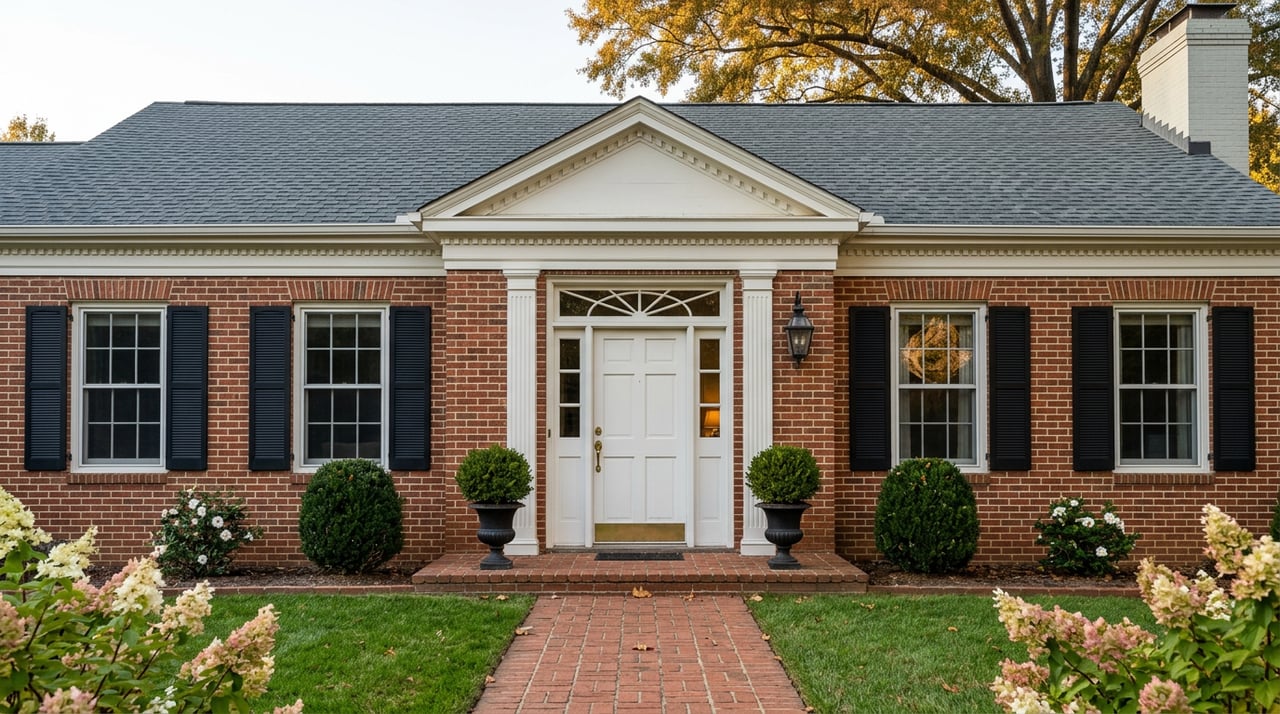
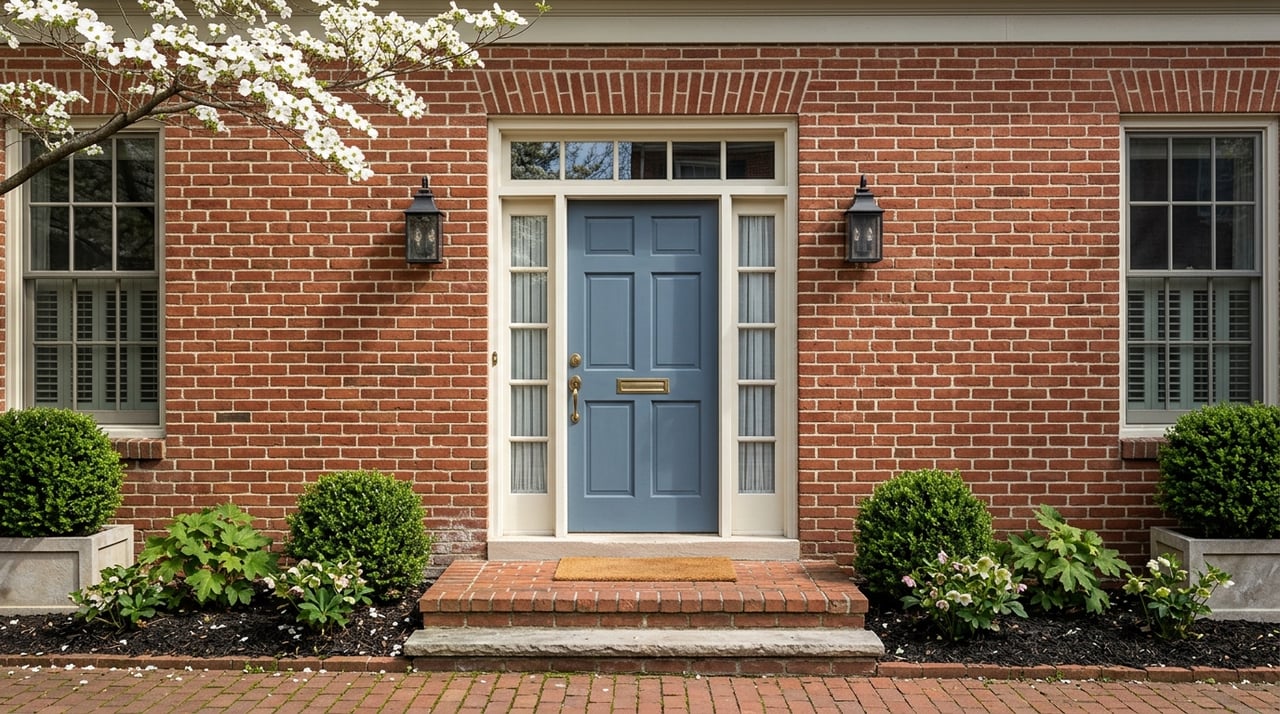
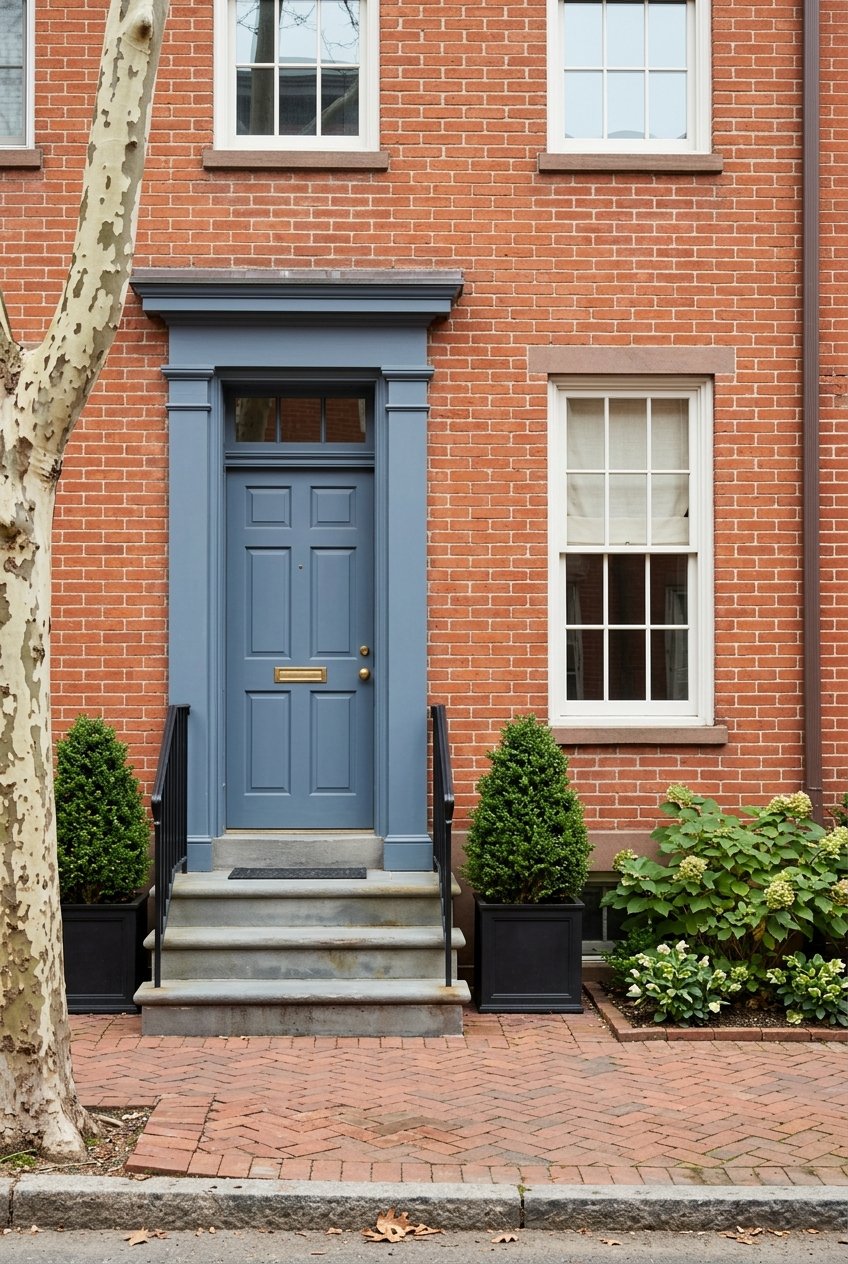
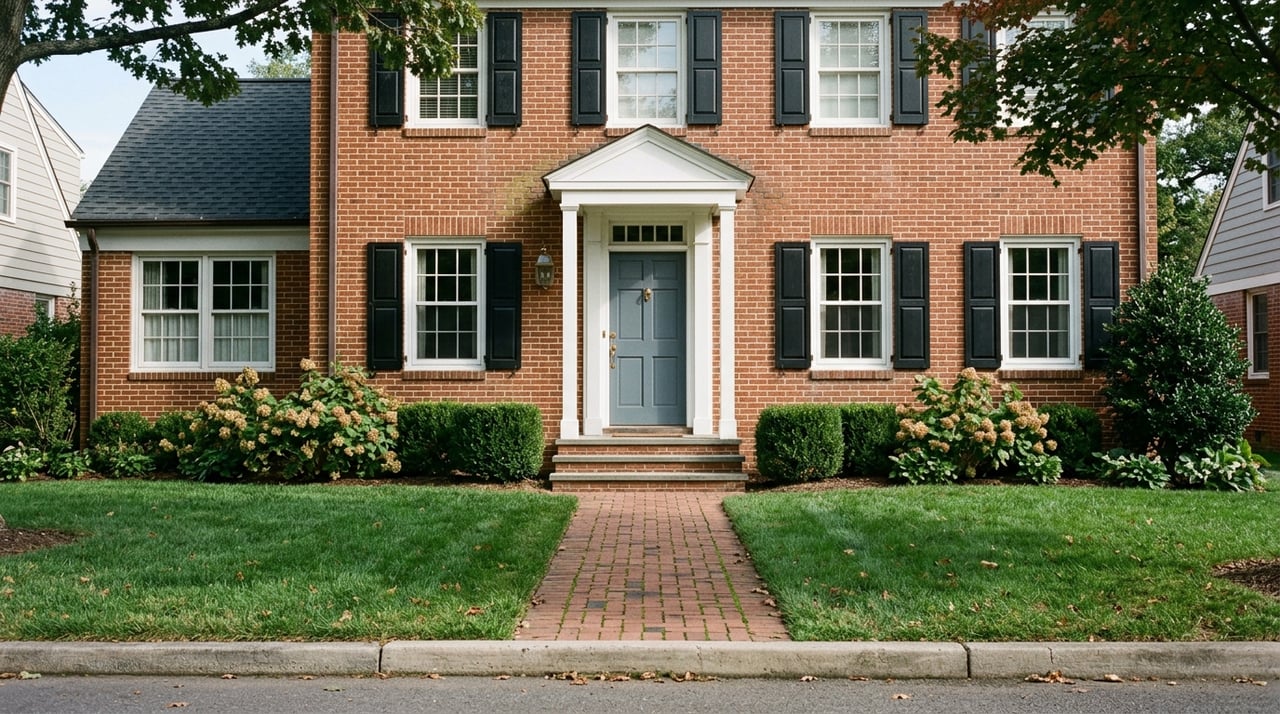
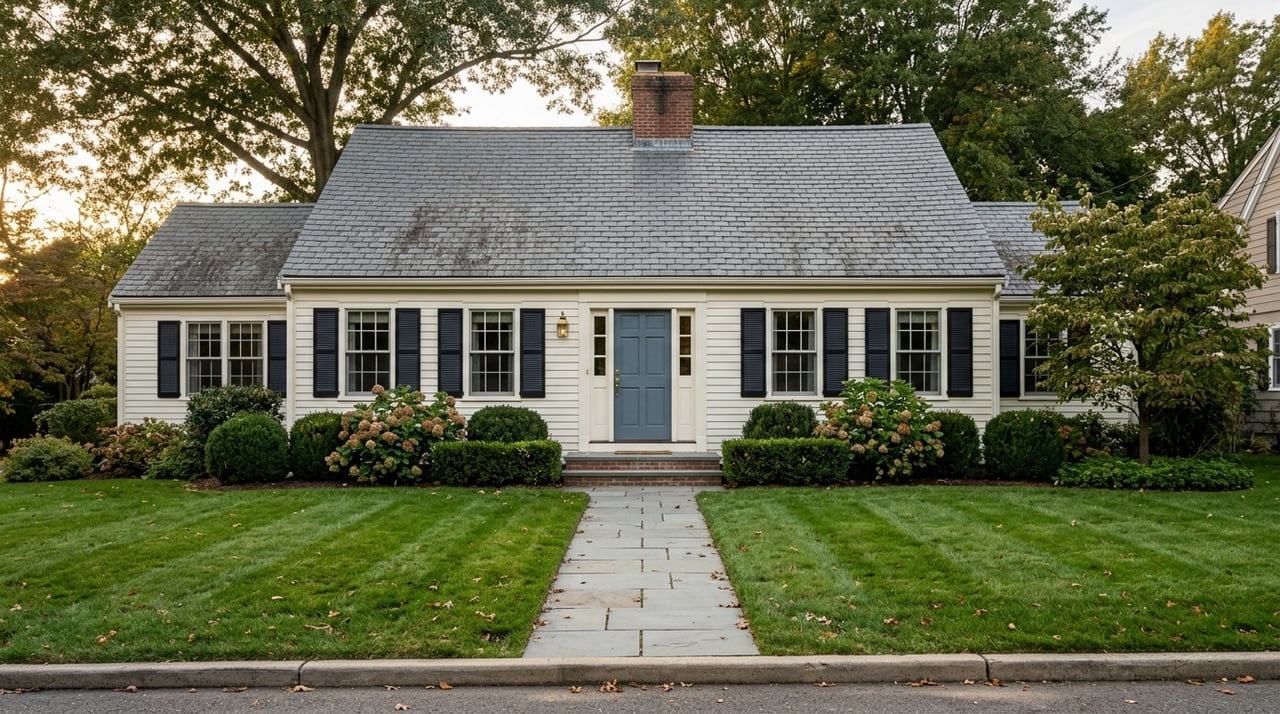
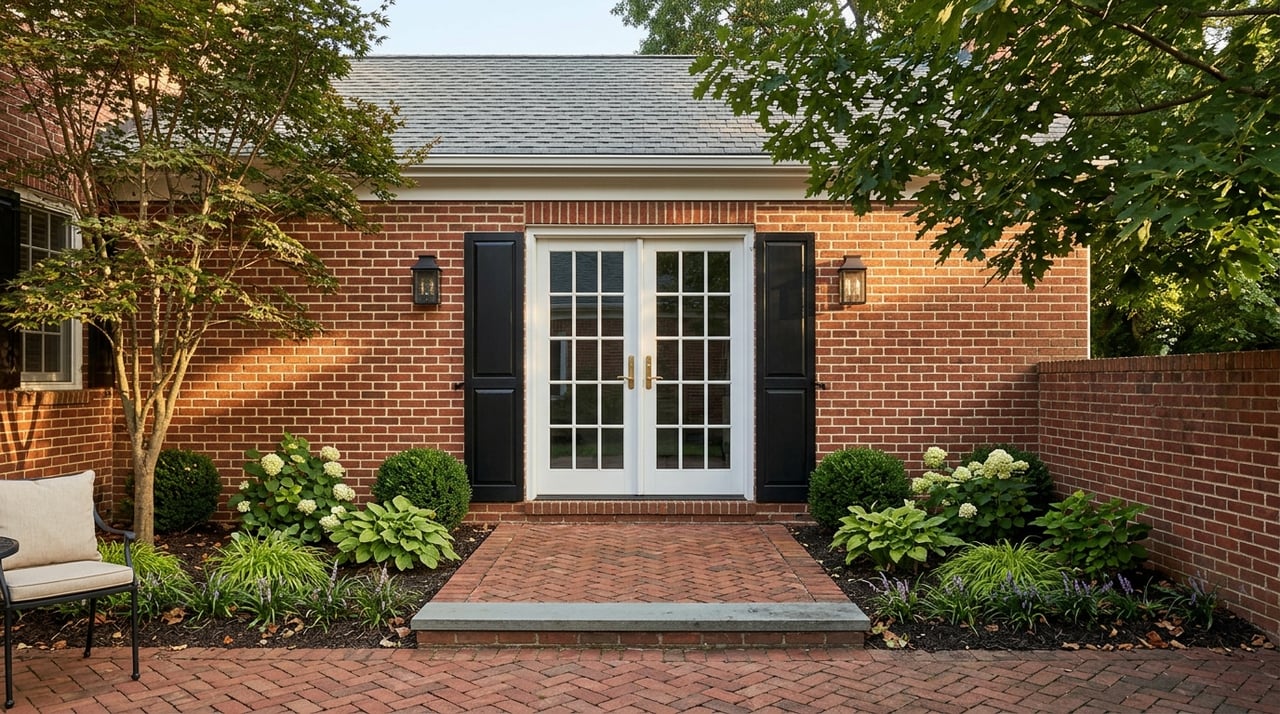
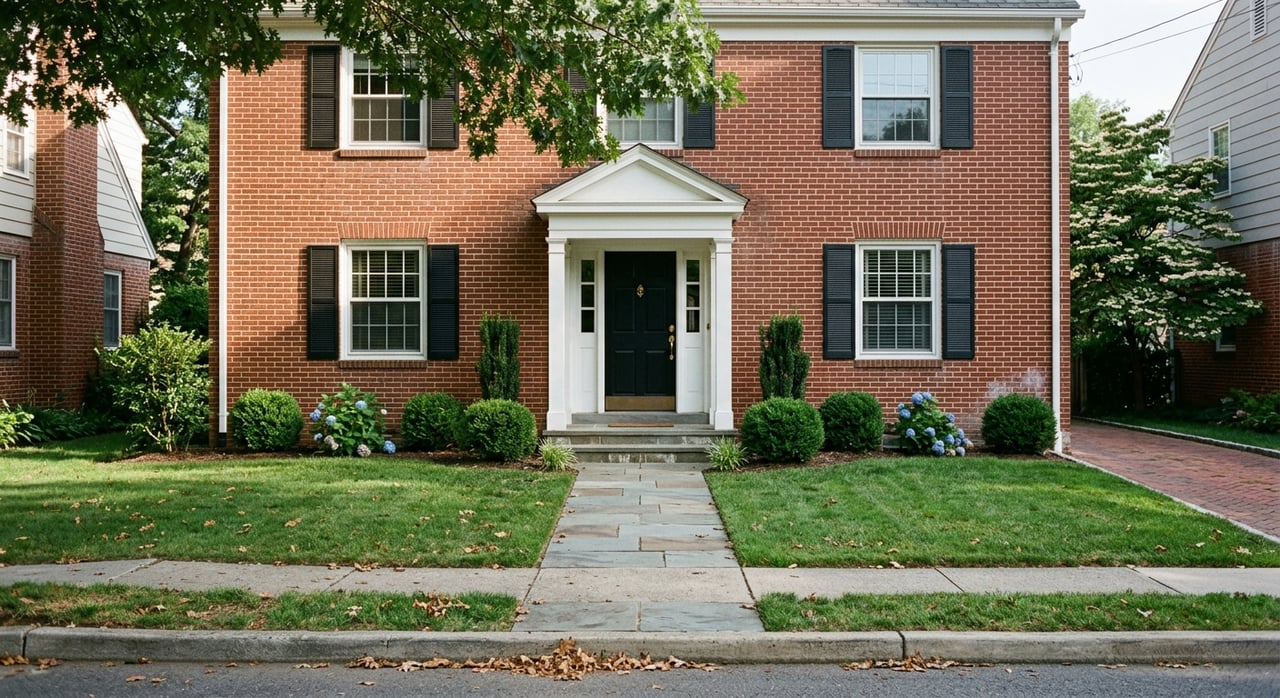
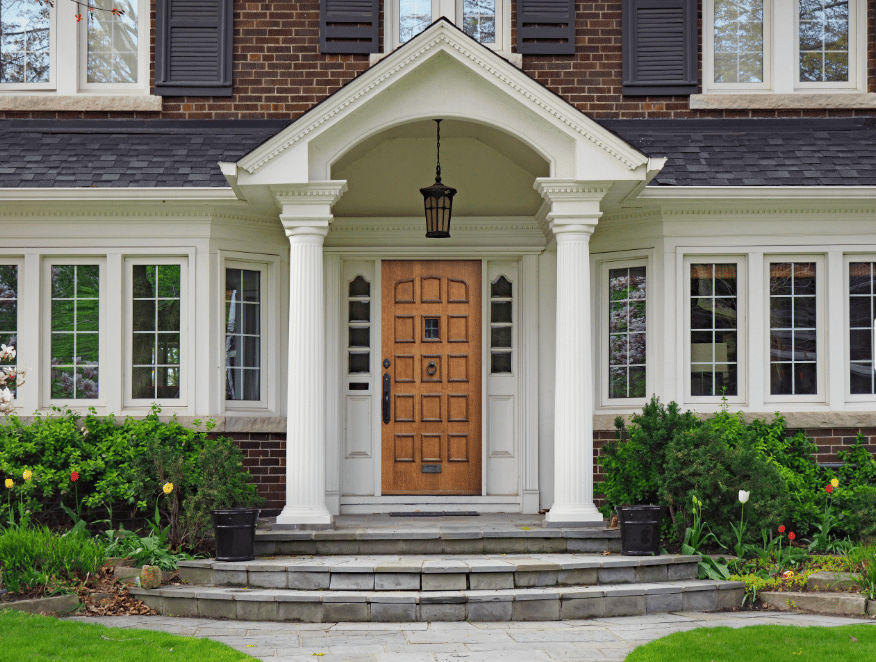
The city's design guidelines for the district make clear how specific this scrutiny gets, down to window sash configuration, muntin pattern, door panel style, and shutter hardware. It isn't limited to additions and demolitions. A full-frame window replacement on a street-facing elevation typically needs either a Certificate of Appropriateness or a staff-level administrative sign-off, and painting unpainted historic brick is generally discouraged because the coating can trap moisture in masonry that has stood for two centuries.
The board's standards aren't relaxing with time. In November 2025, a proposal for 32 new townhomes at 333 North Fairfax Street drew pointed pushback from the board over a lack of what one member called colonial influence in the design. Board member Andrew Scott, an Army veteran, put it directly:
"I was in the Army for 14 years, and it does look like barracks."
That comment was about new construction, not a resale listing, but it's a useful signal for any seller weighing whether an old, undocumented alteration would pass muster today. If brand-new buildings built to modern code still get sent back for insufficient character, a mismatched window installed decades ago under looser or nonexistent review has essentially no chance of retroactive approval without a fight.
Two Very Different Clocks
Not every exterior change requires a public hearing, and the distinction matters enormously for anyone trying to time a listing around repair work.
| Review type | Typical timeline | Example projects |
|---|---|---|
| Staff administrative approval | Days to a few weeks | Storm windows or doors, security lighting (up to two fixtures per non-street-facing side), portable planters, like-for-like roofing repairs, ordinary maintenance in the same material and color |
| Full board hearing | 4 to 8 weeks from a complete submission, with total project timelines often running 2 to 4 months | Additions, new construction, full window or door replacements that change configuration or material, demolition of more than 25 square feet |
The Board of Architectural Review meets the first and third Wednesday of every month except August, and a complete application must be filed roughly 30 days ahead of the hearing date to make the docket. Miss that window and the next opportunity is two weeks out at best. For a seller hoping to fix a compliance gap before listing photos go up, that math often means the fix has to start well before the "For Sale" sign does, not after an inspection surfaces the problem.
Why the Friction Hasn't Scared Off the Market
It would be reasonable to expect all of this to soften demand for historic Old Town property, especially against a backdrop of federal workforce reductions that analysts widely expected to hit the Alexandria market first. It hasn't happened. In 2024, homes in zip code 22314, which covers Old Town, sold at a median price of $870,500, with an average sale price just over $1 million, an average of 22 days on market, and sellers achieving prices averaging close to 99 percent of list. As of March 2026, the submarket was still defying rate pressure, with new pending contracts outpacing the five-year average even as active listings ticked up slightly.
The explanation isn't that buyers don't know about BAR review. It's closer to the opposite. Buyers who specifically want an Old Town address already understand that historic character comes bundled with a review process, and they price that in as part of the deal rather than treating it as a surprise. What actually spooks a transaction isn't the existence of the rule. It's discovering mid-contract that a previous owner ignored it, because that turns an expected condition of ownership into an open question about the current owner's paperwork and the buyer's future flexibility to renovate.
Supply plays a role too. Because altering a street-facing elevation in the district takes real time and real documentation, the pool of homes with clean, fully-approved exterior histories stays tighter than the overall housing count would suggest. Sellers who can show that history aren't just avoiding a headache. They're offering something scarcer than the address alone.
Getting Ahead of the Disclosure Question
Virginia is a buyer-beware state, which means sellers aren't required to volunteer every possible defect the way some states require. But known material facts still have to be disclosed honestly, and unpermitted work is squarely in that category. A buyer's lender may hesitate to finance a property with undocumented alterations, and an appraiser will typically decline to credit square footage or improvements that were never permitted.
Before listing a historic Old Town property, it's worth working through a short sequence:
- Pull the city's permit history for the address and compare it against what's actually been done to the exterior, including windows, doors, shutters, and any additions.
- Contact BAR staff directly, since many minor mismatches qualify for a fast administrative sign-off rather than a full hearing.
- Decide, with full information, whether to pursue retroactive approval before listing or to disclose the gap and let the market price it.
- Document everything in writing so the disclosure is airtight regardless of which path is chosen.
None of this requires a renovation. Often it requires a phone call to preservation staff and a week or two of lead time, which is a much smaller cost than a buyer's financing falling through three weeks into a contract.
A Few Questions Sellers Ask First
Does this apply to condos, or just single-family rowhouses? The district's authority is tied to the structure and its visibility from a public way, not to how a building is titled, so a condo building inside the district boundaries should expect the same category of review for any shared exterior element.
Can I just sell the house as-is and let the buyer deal with it? Yes, but the unpermitted condition still needs to be disclosed, and buyers frequently negotiate on price or ask for repair credits once they know financing or future renovation plans could be affected.
Is there a way to check my own house's compliance without hiring anyone? BAR staff can be reached directly and will tell you, often within a conversation, whether a specific past alteration would have required a Certificate of Appropriateness and whether retroactive approval is realistic.
Selling a historic property in Old Town rewards sellers who treat the paperwork as part of the home's value, not an afterthought to it. If you're weighing a listing in Old Town, Del Ray, or anywhere else in Alexandria and want a clear read on what a specific property's history means for your timeline and price, Jessica Richardson can walk through it with you before a single sign goes in the yard.