A practical guide for navigating one of the most competitive housing markets in the country.
If you’re living in Alexandria or Northern Virginia right now, chances are you’ve asked yourself this question at least once:
Should I keep renting… or is it finally time to buy?
In 2026, the answer isn’t as straightforward as it used to be. Between elevated interest rates, rising rents, and strong home prices in the DC region, both options come with tradeoffs.
And here’s something that’s especially true in this area:
The rent vs buy decision is incredibly neighborhood-specific.
In Northern Virginia, you can drive ten minutes down the road and see housing prices change by hundreds of thousands of dollars. That means the math looks very different depending on where you want to live.
Let’s break down what’s happening in the local market — and when renting or buying tends to make the most sense.
The Northern Virginia Housing Market in 2026
Northern Virginia continues to be one of the strongest real estate markets in the country, thanks to a stable job base, proximity to Washington DC, and continued population growth.
Here are a few key numbers shaping the housing conversation right now:
-
Median home price (Northern Virginia): roughly $650,000–$700,000
-
Median home price in Alexandria overall: about $575,000
-
Average rent for a two-bedroom apartment: about $2,400–$2,800 per month
-
Typical mortgage rates in 2026: around 6.5–7% for a 30-year fixed loan
Another interesting stat: Alexandria actually has a large renter population. Roughly 56% of households rent, compared to about 44% who own. That’s much higher than the national average.
Why? Because many people move to the DC region for work and rent while they decide where they want to settle long-term.
Why Real Estate in Alexandria Is So Neighborhood-Specific
One thing I always tell clients is that Alexandria isn’t just one housing market — it’s a collection of many smaller ones.
You can see huge differences in pricing depending on the neighborhood.
Here’s a snapshot of recent median pricing across several Alexandria areas:
Old Town Alexandria
-
Median home price: $1.3M–$1.6M
-
Typical rent: around $3,000–$3,500/month
Fort Hunt (22308)
-
Median home price: around $1.08M
-
Average rent for single-family homes: around $4,200/month
Del Ray / Potomac West
-
Median home price: around $650K–$700K
Across the city of Alexandria overall, the median home price sits closer to $575K, but those averages can be misleading because the neighborhoods vary so widely.
That’s why the rent vs buy conversation always starts with where you want to live.
Pros of Renting in Alexandria or Northern Virginia
Renting often gets a bad reputation, but in a high-cost market like Northern Virginia it can actually be a smart short-term strategy.
Flexibility
If your career might relocate you or you’re still figuring out which neighborhood fits your lifestyle, renting gives you flexibility.
This is especially common for:
-
Government or military professionals
-
People new to the DC area
-
Young professionals early in their careers
Renting for a year or two can help you explore neighborhoods like Old Town, Del Ray, Arlington, or Falls Church before committing to a purchase.
Lower upfront costs
Buying a home requires several upfront expenses, including:
-
Down payment
-
Closing costs
-
Inspection and appraisal fees
-
Cash reserves
Renting usually requires only a security deposit and first month’s rent.
Maintenance is not your responsibility
One of the biggest perks of renting is that major repairs are typically handled by the landlord.
Water heater breaks?
HVAC stops working?
You make a call and someone else handles it.
Renting can be cheaper in the short term
With mortgage rates still hovering around 6.5–7%, monthly payments for buyers can be significantly higher than they were just a few years ago.
In some cases, renting a similar property may cost less per month — especially in higher-priced neighborhoods.
Cons of Renting
Of course, renting also comes with limitations.
You’re not building equity
Monthly rent payments go to your landlord instead of toward an asset you own.
Homeowners benefit from both appreciation and paying down their mortgage over time.
Rent can increase
Rental prices in the DC region have historically trended upward. Lease renewals can sometimes bring 5–10% increases, depending on the market.
Less control over your space
Renters typically have restrictions on renovations or customization, and leases can end if a landlord decides to sell.
Pros of Buying a Home in Northern Virginia
Despite higher rates, homeownership still offers long-term financial and lifestyle benefits.
Long-term wealth building
Real estate has historically been one of the most reliable ways to build wealth.
Northern Virginia continues to see strong demand due to its employment base and limited housing supply, which supports long-term home values.
When you buy, your monthly payment helps build equity instead of going toward rent.
Stability and predictability
With a fixed-rate mortgage, your principal and interest payments remain consistent over time.
Meanwhile, rent prices tend to increase.
Personalization
Owning a home allows you to renovate, design, and customize your space in a way renting simply doesn’t allow.
For many homeowners, that sense of permanence and control is a huge benefit.
Cons of Buying in 2026
Buying isn’t always the right choice depending on your timeline and finances.
Higher monthly costs upfront
Mortgage payments, property taxes, insurance, and maintenance can add up, especially in higher-priced neighborhoods.
Large upfront investment
Purchasing a home requires savings for a down payment and closing costs, which can be significant.
You need a longer time horizon
Because buying and selling both involve transaction costs, most homeowners in Northern Virginia need to stay in their property for about 4–6 years to financially break even.
If you expect to move sooner than that, renting may make more sense.
How the Decision Changes by Neighborhood
The rent vs buy equation shifts dramatically depending on where you want to live.
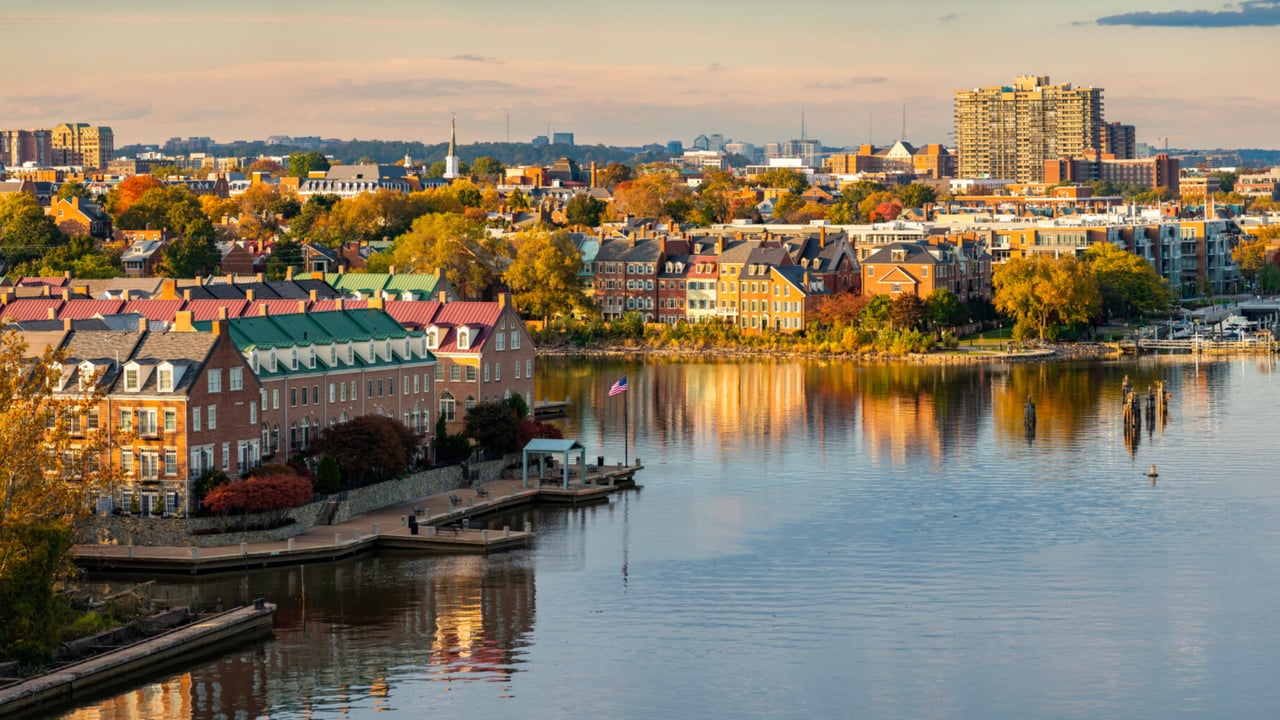
Old Town Alexandria
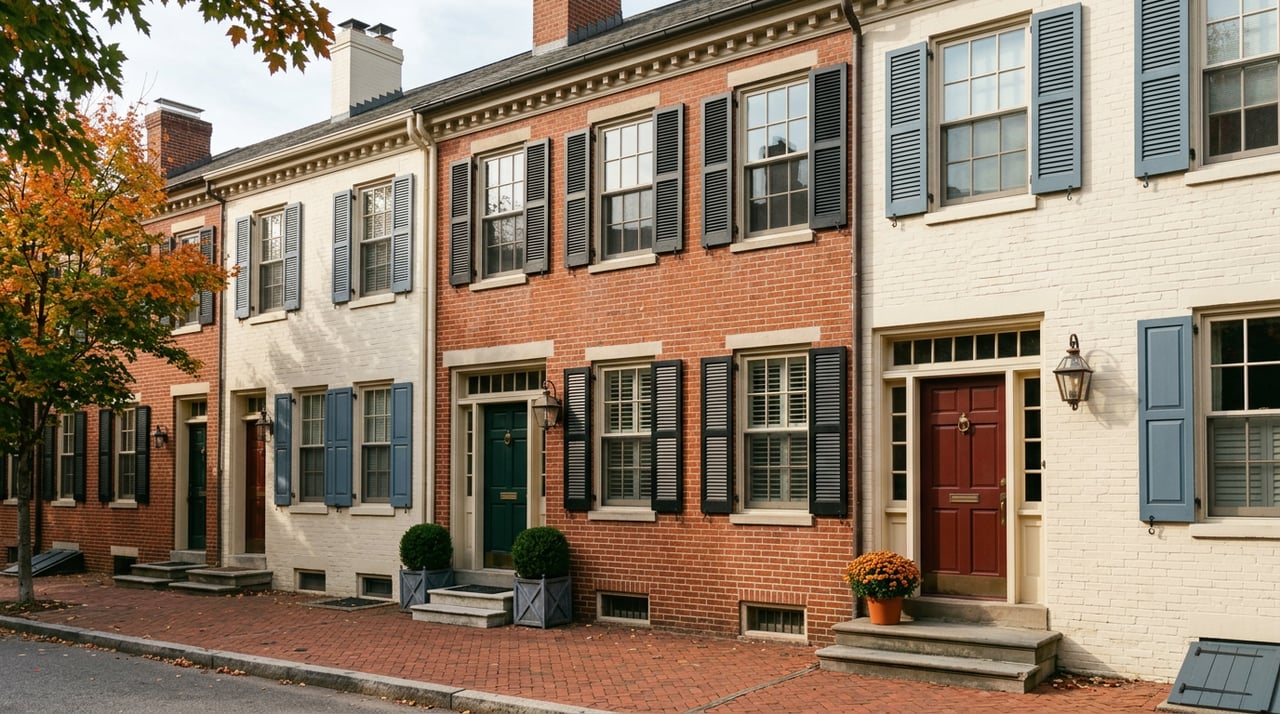
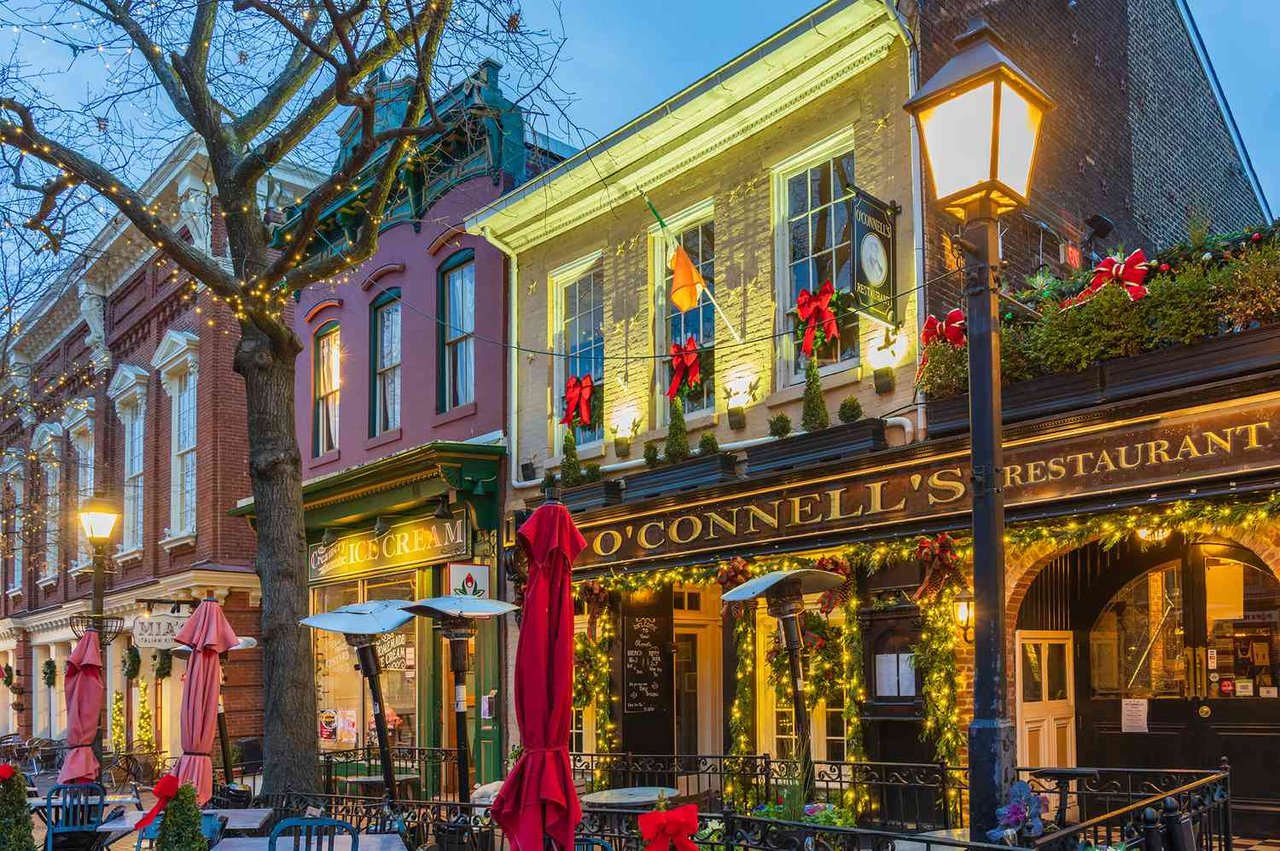
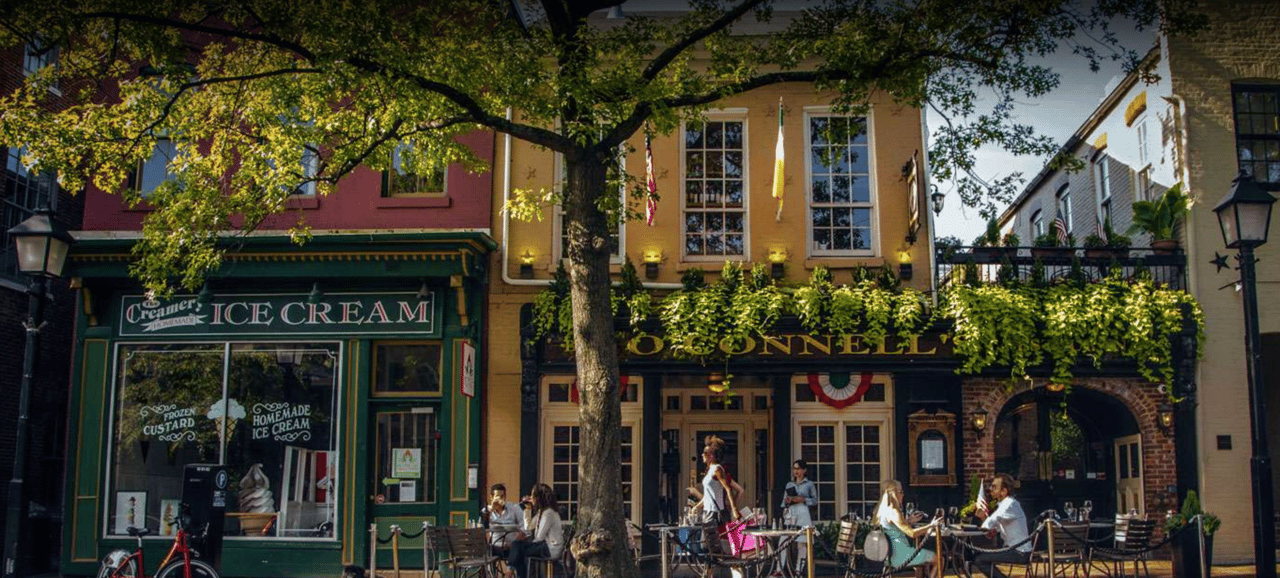
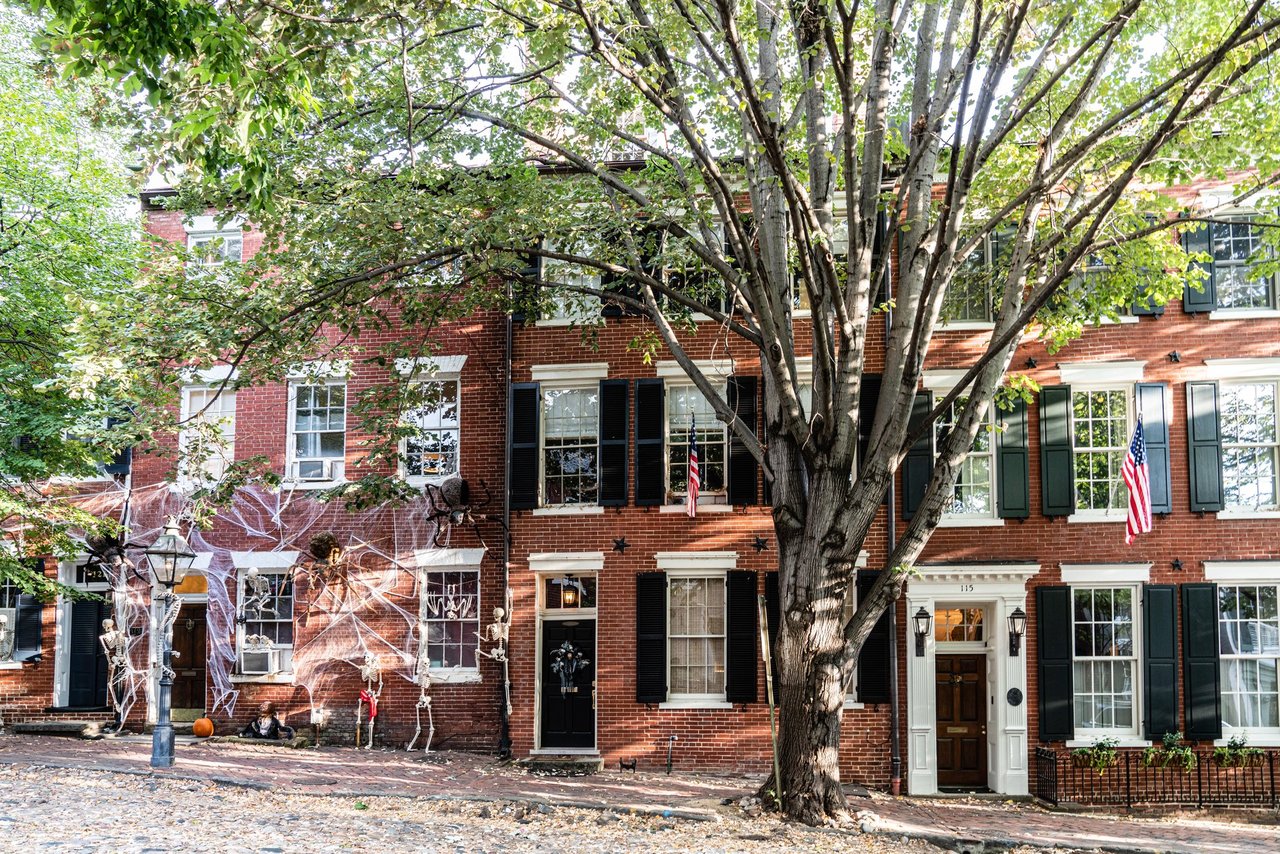
Old Town is one of the most desirable neighborhoods in Northern Virginia thanks to its historic charm, walkability, and proximity to DC.
But the numbers look very different here.
A $1.4M townhome at today’s interest rates could easily mean a monthly payment well above $7,000 per month, depending on the down payment.
Meanwhile, renting a similar property might cost $5,000 per month.
For buyers unsure about their long-term plans, renting here can make financial sense in the short term.
When Renting Makes More Sense
Renting may be the better option if:
✔ You expect to relocate within 3–5 years
✔ You’re still saving for a down payment
✔ You’re new to the DC area and exploring neighborhoods
✔ Your career situation is uncertain
✔ You want flexibility during a life transition
Many people relocating to the region choose to rent first before deciding where they want to settle.
When Buying Makes More Sense
Buying often makes sense if:
✔ You plan to stay at least 5 years
✔ You have stable income and savings
✔ You want predictable housing costs
✔ You want to invest in a community long-term
✔ You’re ready to build equity instead of paying rent
Because Northern Virginia continues to attract new residents and jobs, homeowners who stay in their homes for several years often benefit from appreciation.
The Bottom Line
When people ask, “Should I rent or buy in Northern Virginia?”
The honest answer is: it depends.
It depends on your timeline, finances, and lifestyle — but also on which neighborhood you want to live in.
In Alexandria alone you can find:
-
Condos under $400K
-
Townhomes around $700K
-
Historic homes in Old Town well over $1.5M
Each of those creates a completely different rent vs buy equation.
Looking at hyper-local market data — not just national headlines — is the key to making the right decision.
If you’re trying to figure out whether buying makes sense for you in today’s market, I’m always happy to walk through the numbers.
Sometimes a quick conversation about your timeline, budget, and preferred neighborhoods can make the decision much clearer.