Wondering whether a condo or a townhome makes more sense in Arlington? You are not alone. In a county with a large multifamily housing base and a smaller but meaningful townhome supply, this choice can shape your budget, daily routine, and long-term flexibility. If you are trying to balance location, maintenance, and lifestyle, this guide will help you compare the two with Arlington in mind. Let’s dive in.
Why This Choice Matters in Arlington
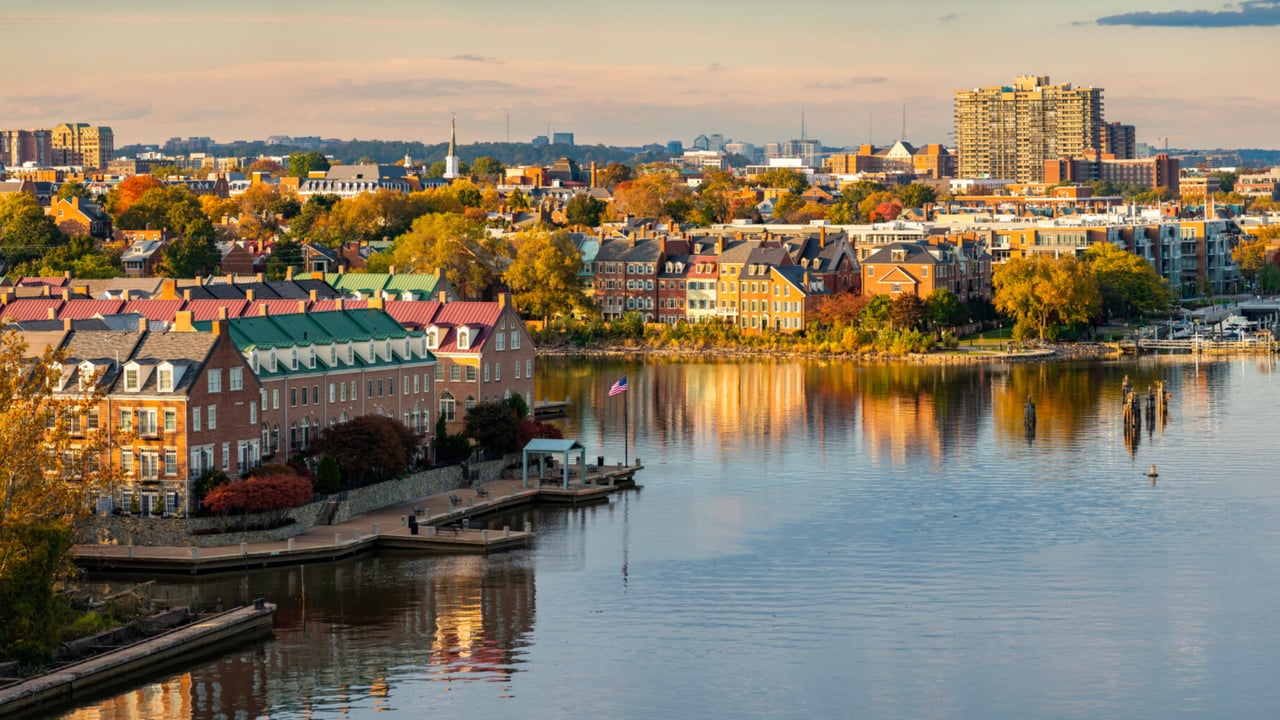
Arlington has more than 60 neighborhoods and a housing mix that makes this comparison especially relevant. As of January 2022, the county estimated about 120,200 total housing units, with 71.3% multifamily, 22.9% single-family detached, and 5.8% single-family attached.
That matters because condos make up a large share of Arlington’s housing options, especially in more urban areas. Townhomes are less common, but they remain an important ownership option for buyers who want a more house-like layout without moving far from Arlington’s close-in corridors.
Arlington’s planning approach also shapes where you are likely to find each property type. Development is concentrated in places like Rosslyn-Ballston, Columbia Pike, Richmond Highway, and Langston Boulevard, which often means more condo inventory in transit-rich areas and more townhome opportunities in residential neighborhoods and select infill projects.
Condo Living in Arlington
For many buyers, a condo offers a simpler day-to-day ownership experience. In Virginia, a condominium is a common interest community, and the unit owners’ association is generally responsible for the common elements unless the condo documents say otherwise.
That usually means you are responsible for your unit, while the association handles shared parts of the property. If a problem begins in or through the common elements, the association may be responsible, depending on the documents and the facts of the issue.
In Arlington, condos are especially common in transit-oriented urban villages and mixed-use centers. If your goal is a lock-and-leave lifestyle, easier exterior upkeep, and access to walkable areas, a condo may feel like a natural fit.
Where Condos Are Common
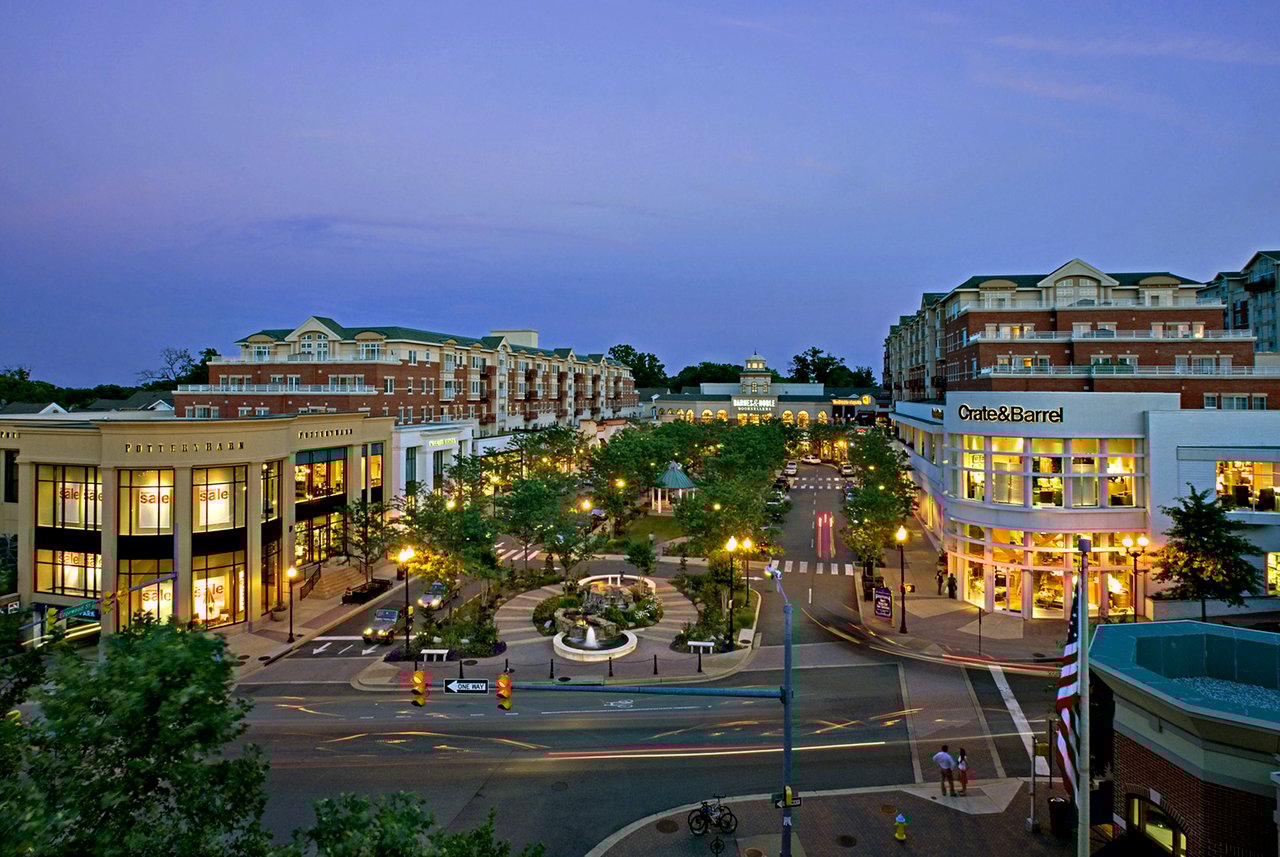
County information points to several Arlington areas where condos are especially common. Rosslyn, Ballston, Clarendon, Courthouse, Crystal City, and Pentagon City all include dense residential development near Metro and commercial activity.
Rosslyn alone has more than 6,000 residences within a 10-minute walk of Metro, including high-rise apartment and condominium buildings, older smaller buildings, and some newer townhouses. Ballston is a major transportation hub, while Clarendon and Courthouse offer a mix of housing, offices, and retail uses.
If you want to live close to transit, restaurants, shops, and major employment centers, condo options are often easier to find in these parts of Arlington. That does not guarantee a better fit, but it does affect what inventory is likely to match your search.
Typical Condo Advantages
A condo can be a strong choice if you value convenience and predictable exterior upkeep. Many buyers like having maintenance of common areas handled through the association rather than coordinating every exterior repair on their own.
A condo may also work well if you travel often, want a lower-maintenance home base, or prefer a more urban feel. In Arlington, that often lines up with buyers who want to stay near Metro and other daily conveniences.
Typical Condo Tradeoffs
The biggest mistake buyers make is assuming all condo fees cover the same things. They do not. The governing documents and resale certificate tell you what the monthly assessment covers, what rules apply, and whether there are additional costs or upcoming expenses.
You will also want to look closely at insurance deductibles, reserve information, meeting minutes, parking rules, rental restrictions, and any notices of violations or pending litigation. Those details can affect both your monthly ownership experience and your future flexibility.
Townhome Living in Arlington
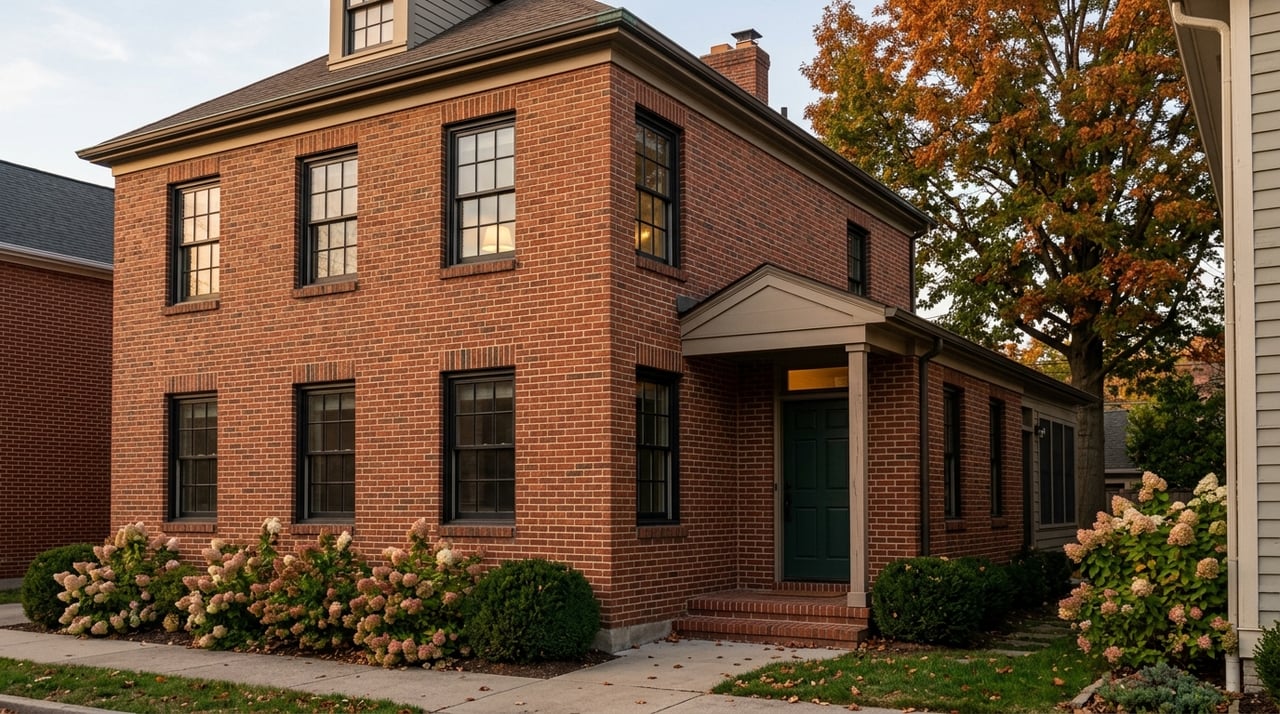
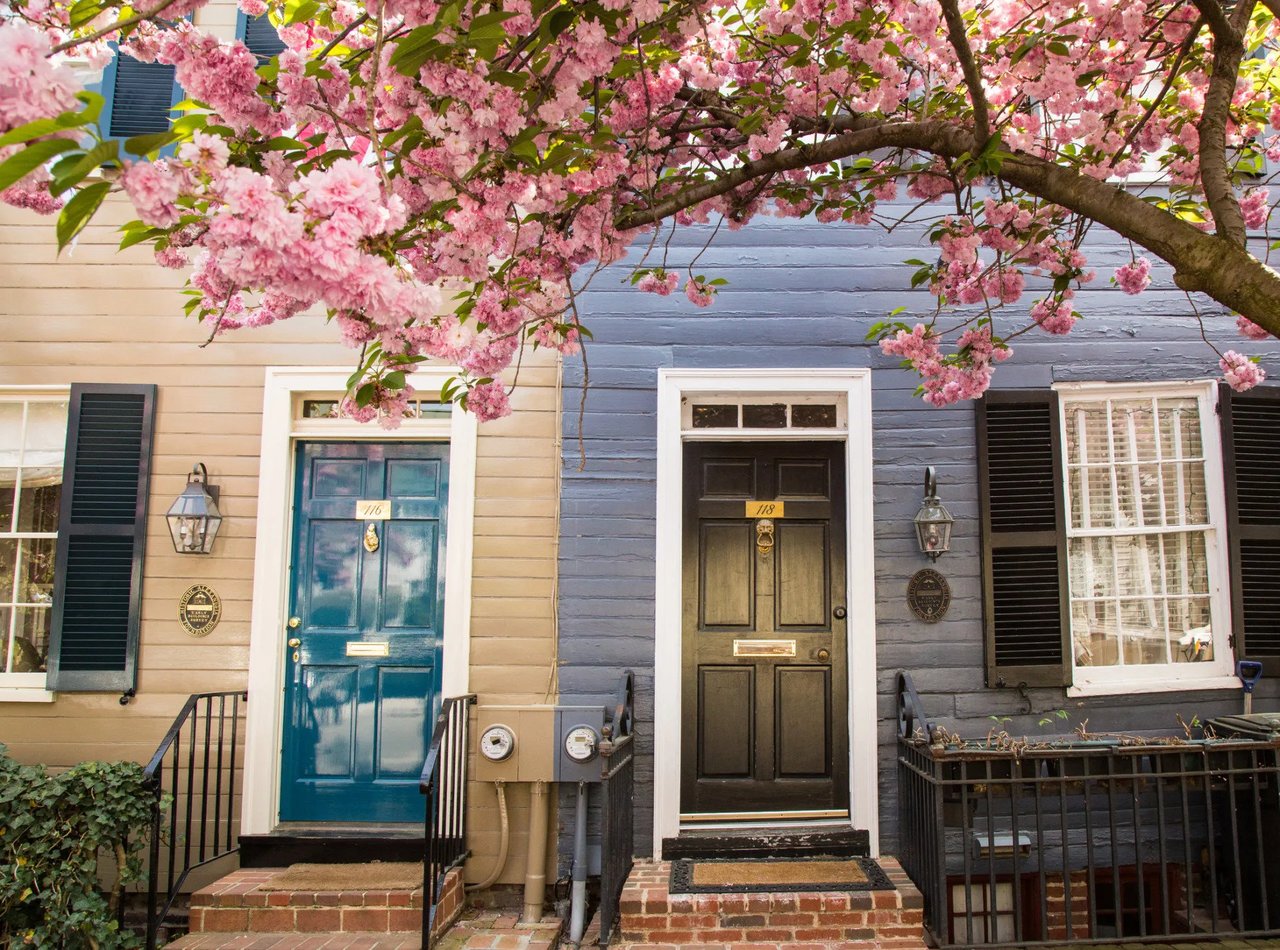
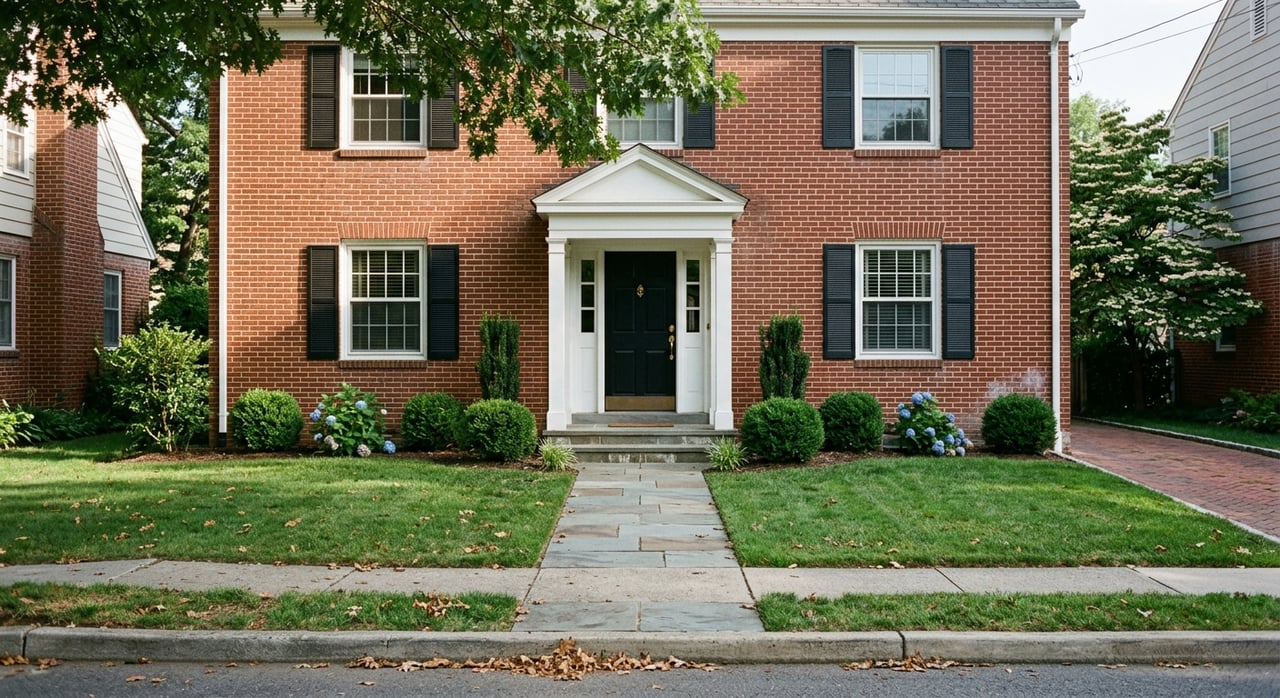
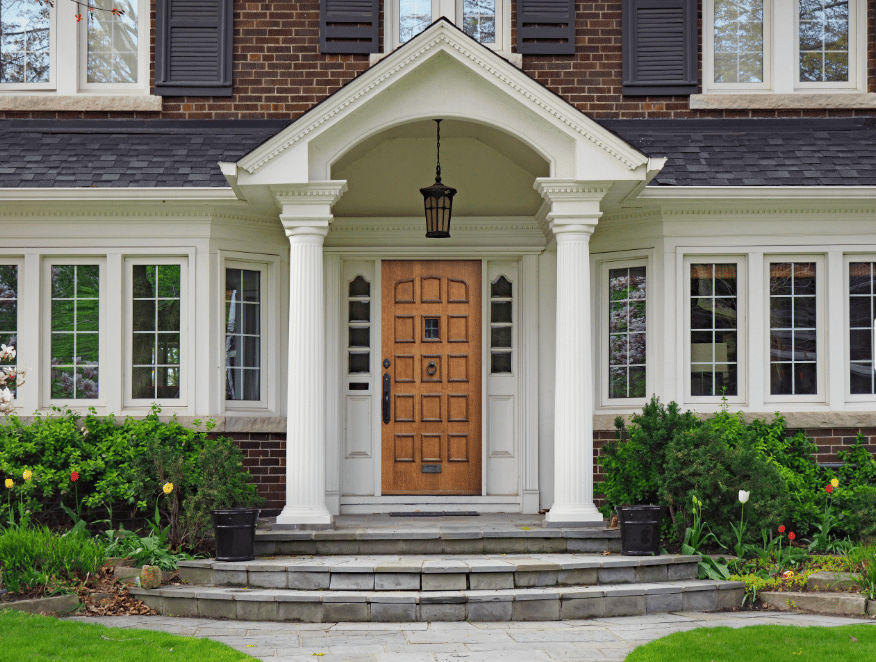
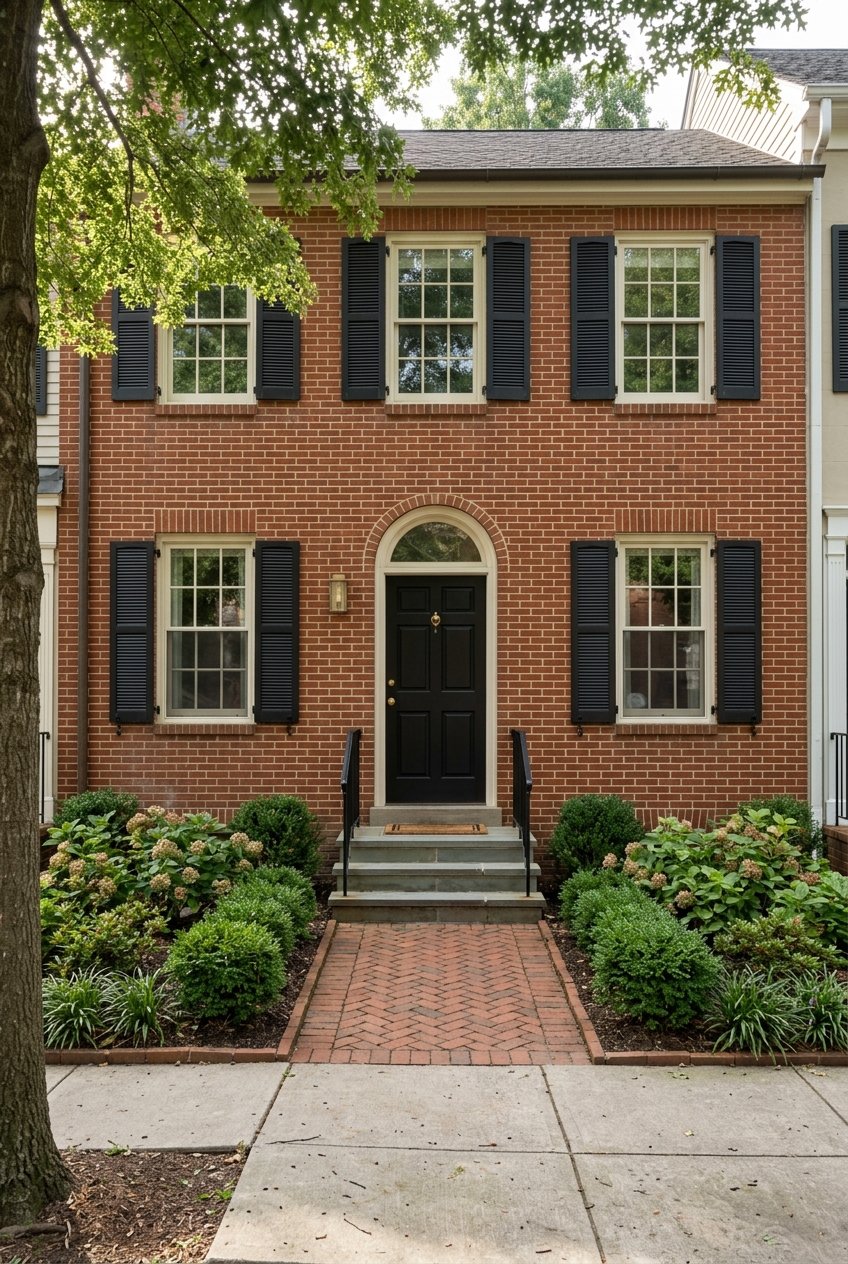
A townhome often feels closer to a traditional house. You typically get a multi-level layout, your own direct entrance, and more separation from neighbors than you would in many condo buildings.
That said, the maintenance picture is not always as simple as buyers expect. In Virginia, many townhome communities are governed by a property owners’ association, and the declaration can assign different maintenance and operational responsibilities from one community to another.
In other words, one Arlington townhome may come with fairly limited shared obligations, while another may include association-managed features, shared infrastructure, or mandatory payments tied to services and upkeep. The word townhome alone does not tell you enough.
Where Townhomes Are Found
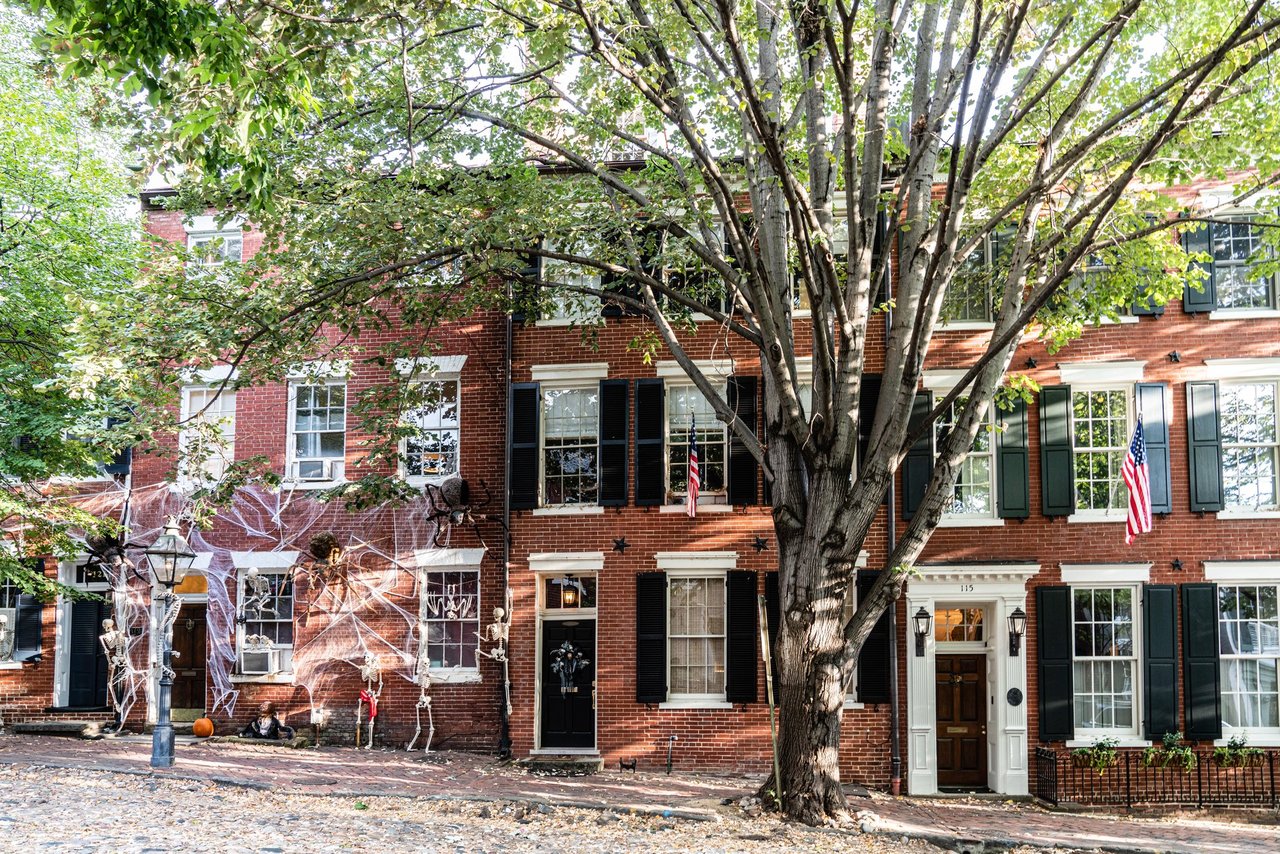
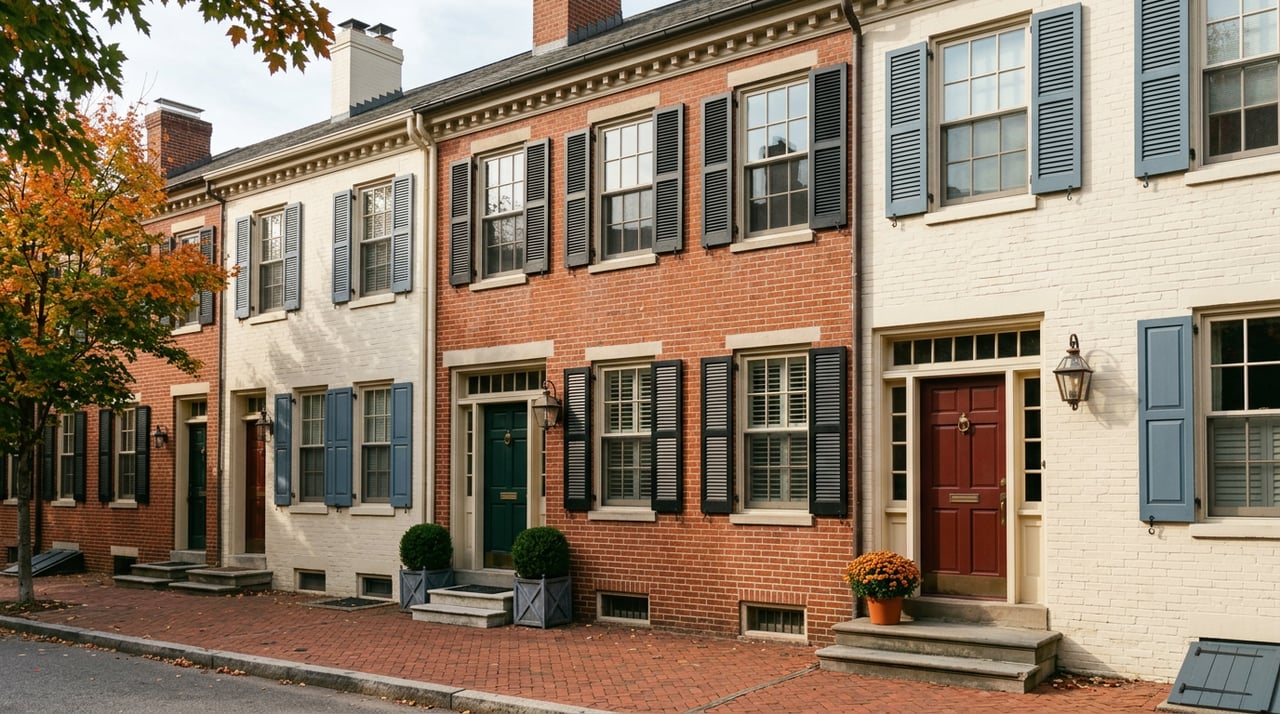
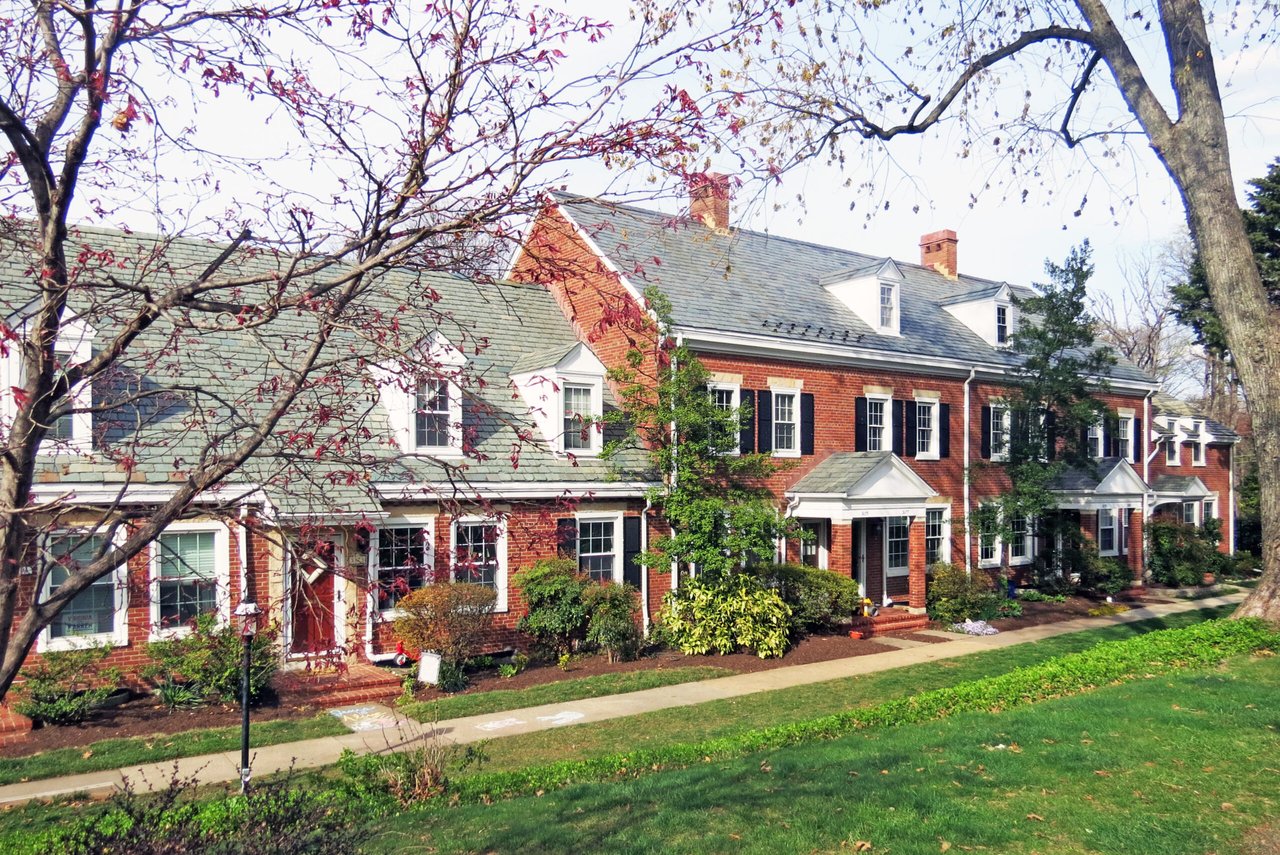
Townhomes in Arlington are often part of house-scale or infill development patterns. County materials identify townhouse forms in places such as Ashton Heights, Aurora Highlands, Ballston-Virginia Square, Cherrydale, Green Valley, and Penrose.
That is an important point for buyers who assume townhomes only show up farther from Arlington’s central corridors. In reality, you can find them in or near close-in locations, including private developments like Ballston Oak Townhomes.
If you want more of a neighborhood feel while staying close to Arlington’s core, townhomes may offer that middle ground. Inventory can be tighter, though, so your search may require more flexibility and patience.
Typical Townhome Advantages
Townhomes often appeal to buyers who want a more house-like footprint. You may prefer the layout, extra levels, more defined separation between living areas, or the feel of having your own exterior entrance.
For some buyers, a townhome also feels like a better long-term fit if they want more room than many condos offer. The tradeoff is that upkeep responsibilities can vary widely, so it is important to confirm exactly what the association handles and what falls to you.
Typical Townhome Tradeoffs
The biggest challenge with townhomes is variability. Exterior items like roofs, siding, windows, balconies, shared drives, or other structures may be your responsibility, the association’s responsibility, or split in a specific way set out in the declaration.
That means your monthly cost is only part of the story. You also need to understand your likely future repair obligations, the association’s reserves, and whether special assessments could affect your budget.
Condo vs. Townhome: Key Differences
If you are comparing listings in Arlington, the smartest approach is to look beyond the property label. Focus on how each home actually functions, what the association covers, and how the location fits your daily life.
| Factor | Condo | Townhome |
|---|---|---|
| Ownership structure | Condominium common interest community | Often HOA-governed common interest community |
| Exterior maintenance | Often more centralized through the association | More variable by community documents |
| Typical Arlington locations | Urban villages and transit-rich corridors | Residential neighborhoods and select infill areas |
| Lifestyle feel | More lock-and-leave, often more urban | More house-like, often more separation |
| What to verify | Fee coverage, rules, reserves, restrictions | Maintenance split, reserves, rules, exterior obligations |
This table is a starting point, not a shortcut. The resale certificate and governing documents are the real source of truth.
What to Review Before You Decide
In Virginia, the resale certificate is one of the most important tools for comparing condos and townhomes. It must include key details such as governing documents, rules, current assessments, unpaid assessments, other fees, special assessments, capital expenditures, reserve information, the current operating budget, insurance information, pending judgments or litigation, approved meeting minutes, occupancy limits, and restrictions on items like parking, rentals, home-based business use, signs, and solar devices.
That is a lot of information, but it gives you a clearer picture of how a property will work in real life. It can also help you spot differences between two homes that may look similar on the surface.
Smart Questions to Ask
When you tour or review a listing, these are some of the most useful questions to ask:
- What does the monthly fee actually cover?
- Is there a current reserve study or summary?
- Are any special assessments planned or discussed?
- Who is responsible for the roof, siding, windows, balconies, or similar exterior components?
- Are there parking restrictions that fit your needs?
- Are there rental restrictions that could affect your future plans?
- Are there recent board or owner meeting notes that point to upcoming projects or concerns?
These questions are practical, not picky. In Arlington, they can help you compare homes more accurately and avoid surprises after closing.
How Arlington Location Shapes the Decision
Your ideal property type may come down to where you want to live in Arlington. If being close to Metro and mixed-use corridors is your top priority, condos may give you more options.
If you want a more house-like setup and are open to a different inventory pattern, a townhome may be worth the narrower search. Arlington’s neighborhood and corridor structure means property type and location are closely connected.
This is also why broad advice can fall short. A condo in Rosslyn and a townhome in Penrose may serve very different priorities, even if both fit your price range.
Which Option Fits You Best?
A condo may fit best if you want lower exterior maintenance, a more urban setting, and a straightforward lock-and-leave lifestyle. A townhome may fit best if you want a more traditional layout, more separation, and a home that feels closer to a single-family experience.
Neither option is automatically better. The right choice depends on your budget, time, comfort with maintenance, preferred location, and how long you plan to stay.
In Arlington, the decision is rarely just condo versus townhome. It is really about how ownership structure, association obligations, and neighborhood setting come together in one specific property.
If you are weighing condos and townhomes in Arlington, having a local guide can make the process much clearer. Jessica Richardson offers thoughtful, highly personalized guidance to help you compare options, understand the details, and find the right fit for your lifestyle and goals.
FAQs
What is the main difference between a condo and a townhome in Arlington?
- In Arlington, the main difference is often the ownership and maintenance structure. Condos usually have more centralized association responsibility for common elements, while townhome responsibilities can vary more from one community to another.
Where are condos most common in Arlington?
- Condos are especially common in Arlington’s transit-oriented areas such as Rosslyn, Ballston, Clarendon, Courthouse, Crystal City, and Pentagon City.
Where can you find townhomes in Arlington?
- Townhomes can be found in Arlington neighborhoods and infill areas including Ashton Heights, Aurora Highlands, Ballston-Virginia Square, Cherrydale, Green Valley, and Penrose.
What should buyers review in an Arlington condo or townhome listing?
- Buyers should review the resale certificate, governing documents, monthly assessments, reserve information, insurance details, meeting minutes, special assessments, and any rules on parking, rentals, or exterior responsibilities.
Do Arlington townhomes always have less maintenance than single-family homes?
- Not always. Some townhome communities shift certain upkeep to the association, but others leave more responsibility with the owner. The declaration and resale documents tell you what applies to that specific property.
Why is the resale certificate important for Arlington buyers?
- The resale certificate gives you the key details about fees, rules, reserves, insurance, restrictions, and association operations, which helps you compare properties and understand your actual ownership obligations.