Shopping for a home in Alexandria can feel simple at first, until you realize one big truth: Alexandria is not one neighborhood market. A home search here works best when you compare areas based on how you actually want to live, not just by a neighborhood name on a listing. If you want to narrow your options with more confidence, this guide will help you compare Alexandria neighborhoods in a practical, buyer-friendly way. Let’s dive in.
Start With Your Daily Life
Before you compare price points or home styles, think about your day-to-day routine. In Alexandria, the most useful neighborhood comparison points are housing type, commute options, errands, parks and trails, parking, and how much change may be coming to the area.
That matters because Alexandria’s planning system is organized in smaller area plans, and even neighborhood boundaries can be somewhat resident-defined. In other words, two areas that seem close together on a map can offer very different living experiences.
Compare Housing Types First
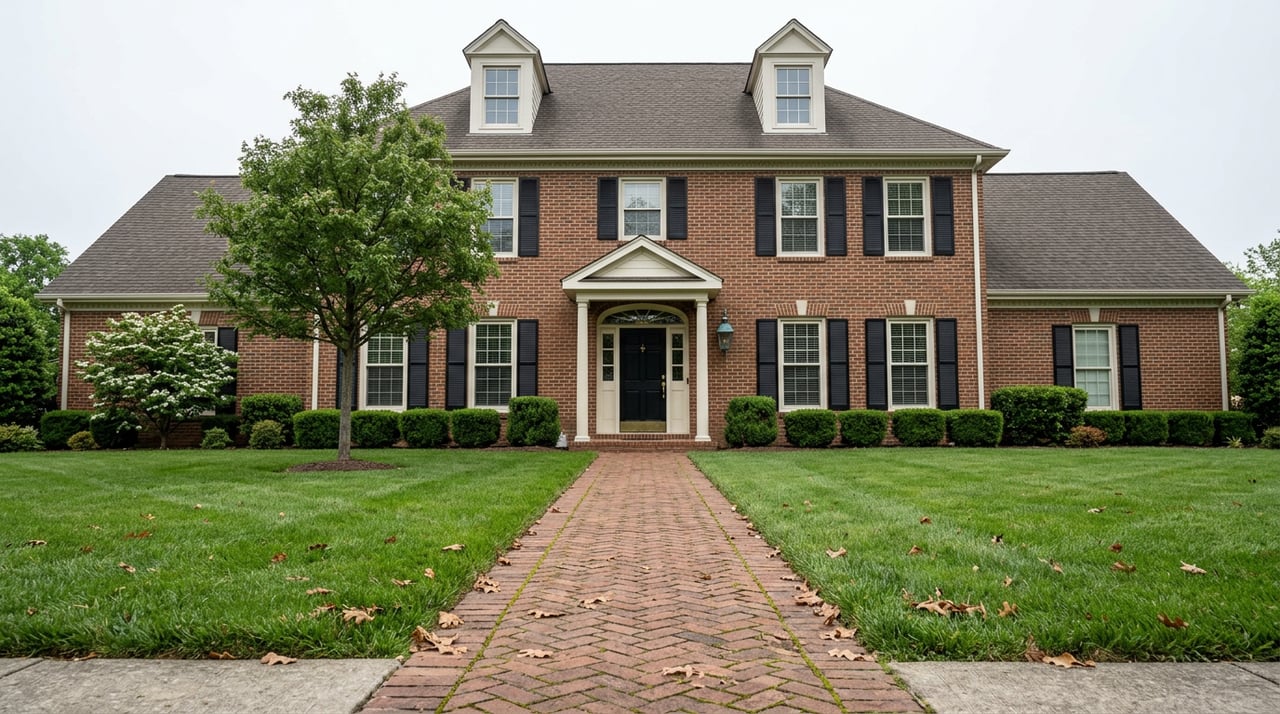
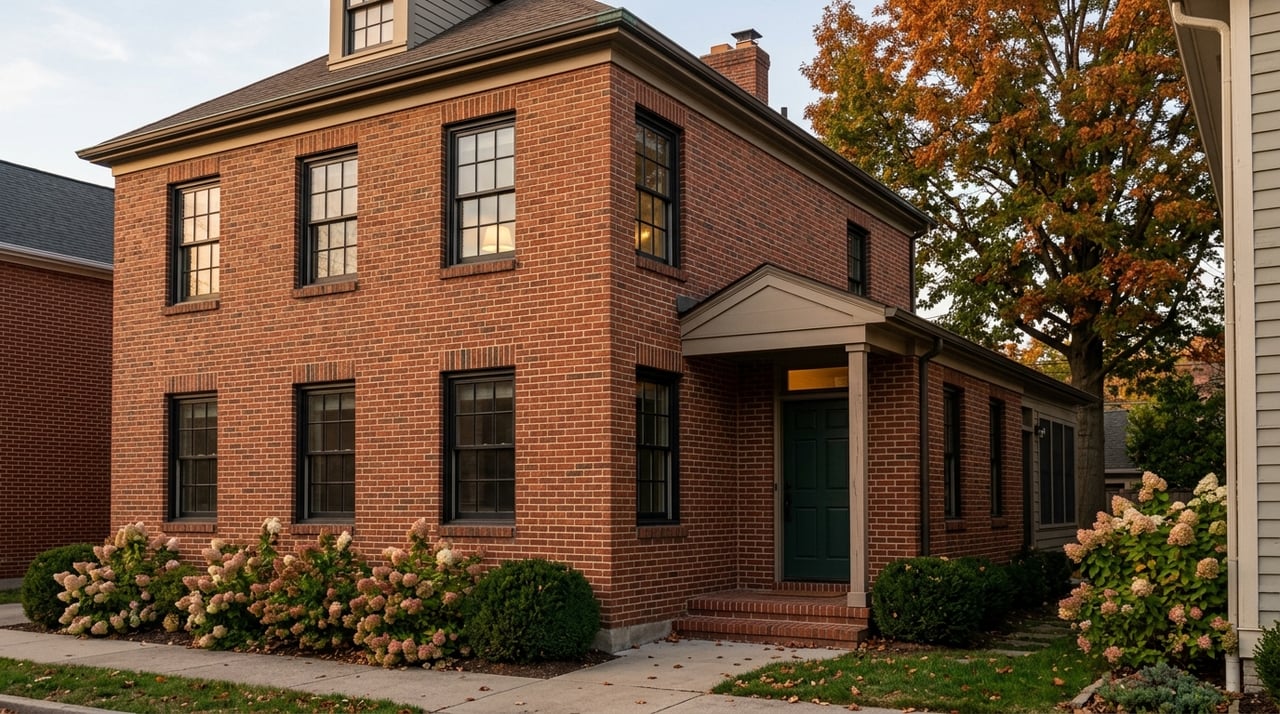
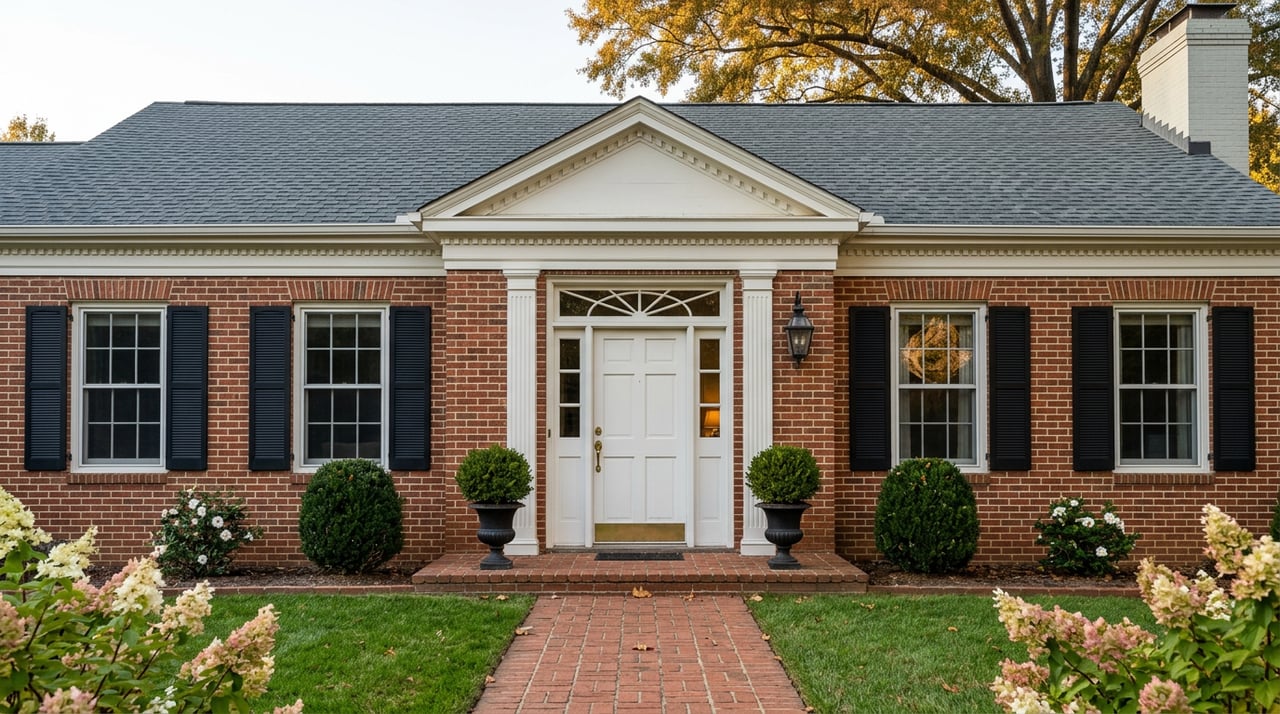
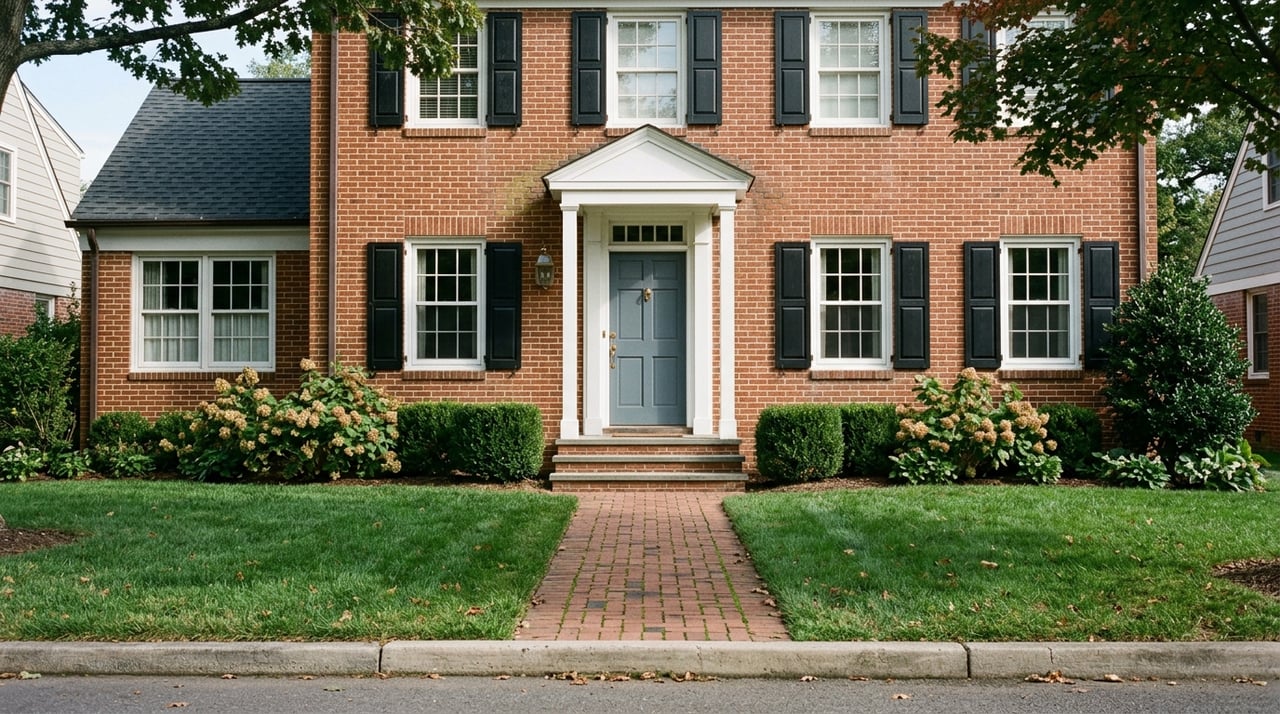
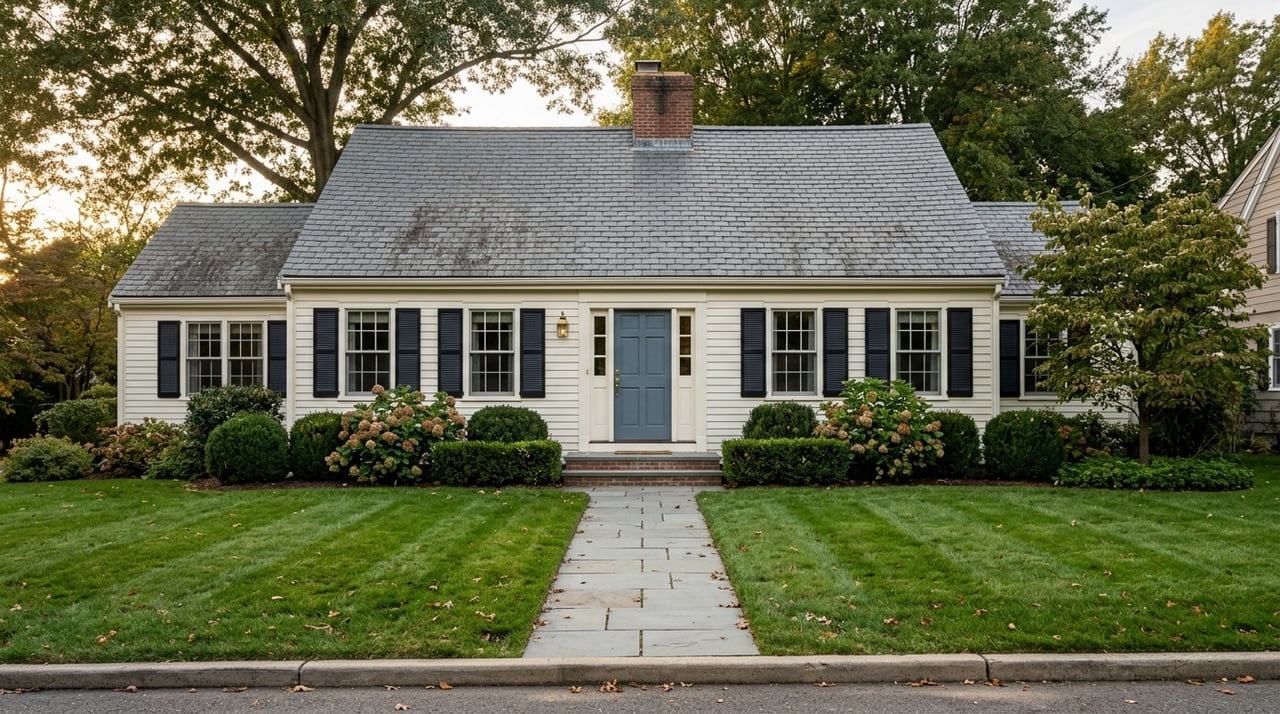
Alexandria zoning recognizes four broad dwelling types: single-family, two-family, townhouse, and multifamily. That is a helpful starting point because many neighborhoods are shaped by a different mix of those housing forms.
If you know you want a detached home, a classic row-style townhouse, or a condo with lower exterior maintenance, you can quickly rule some areas in or out. This step often saves buyers time because it shifts the search from broad geography to a more realistic fit.
What This Looks Like in Practice
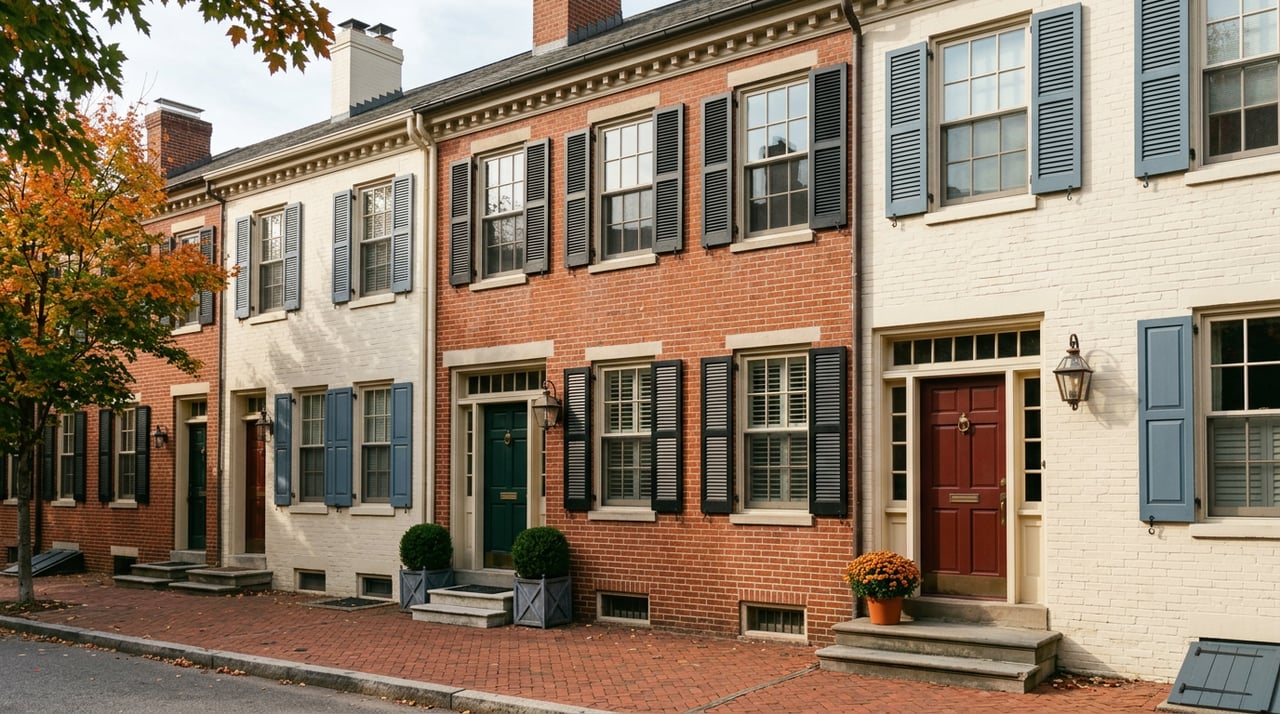
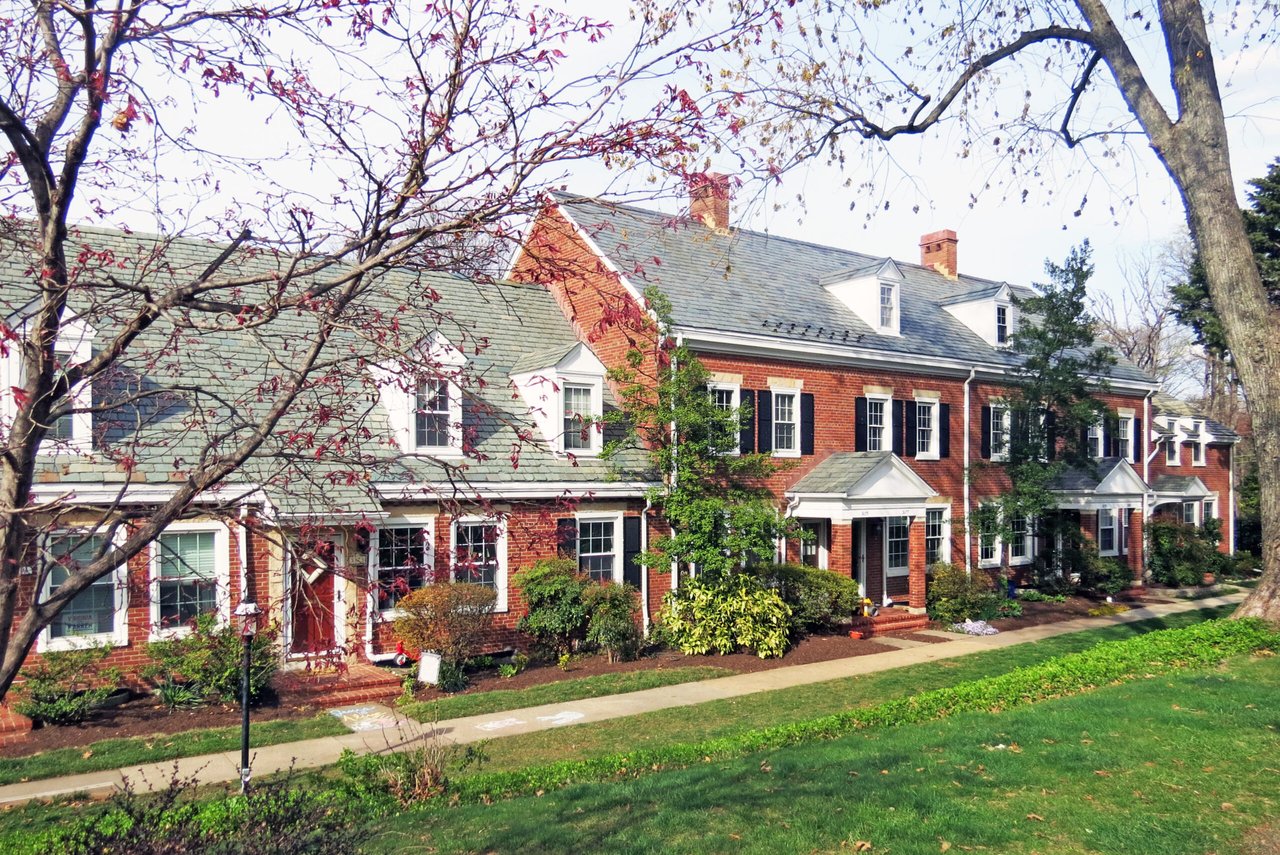
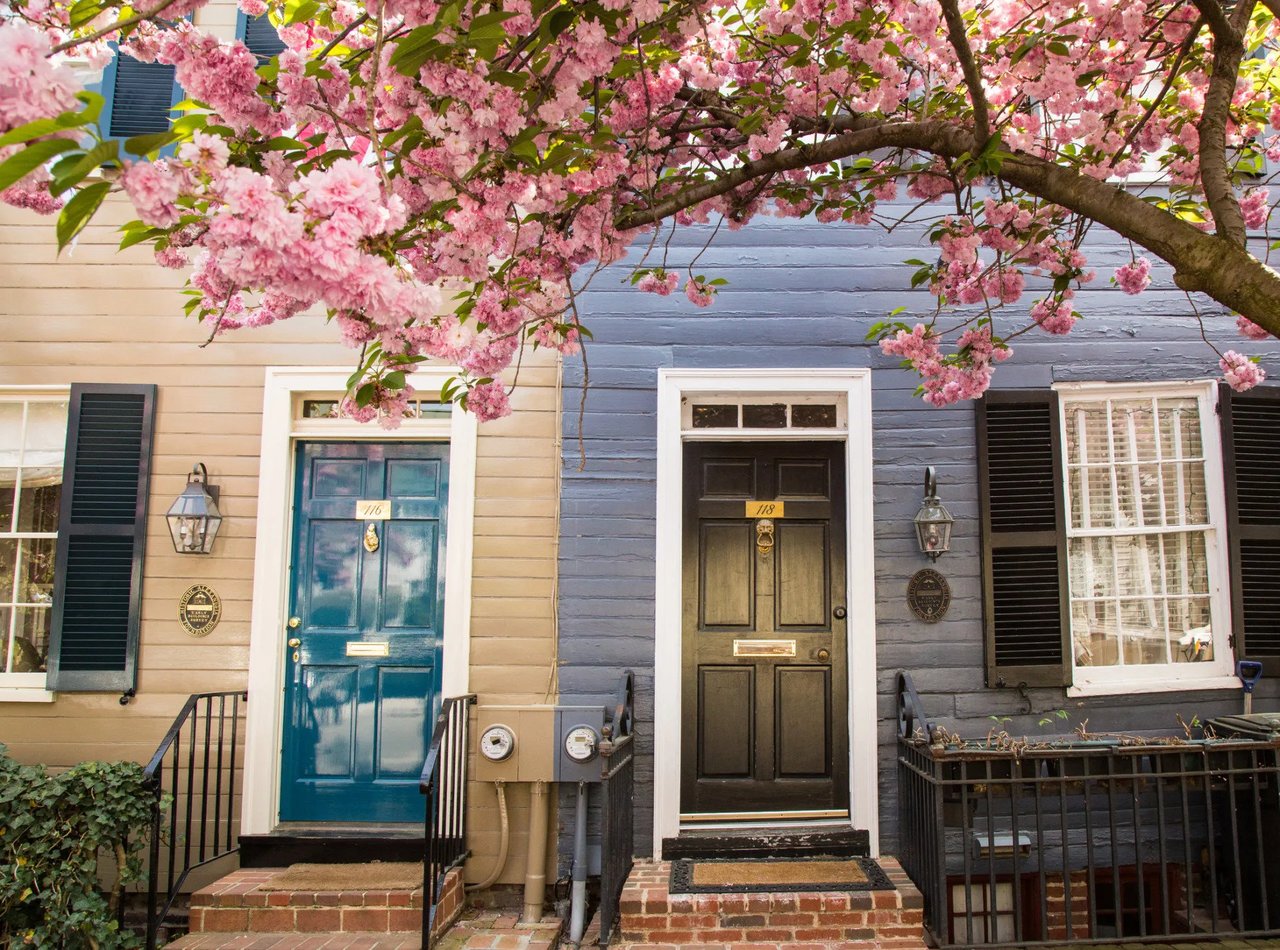
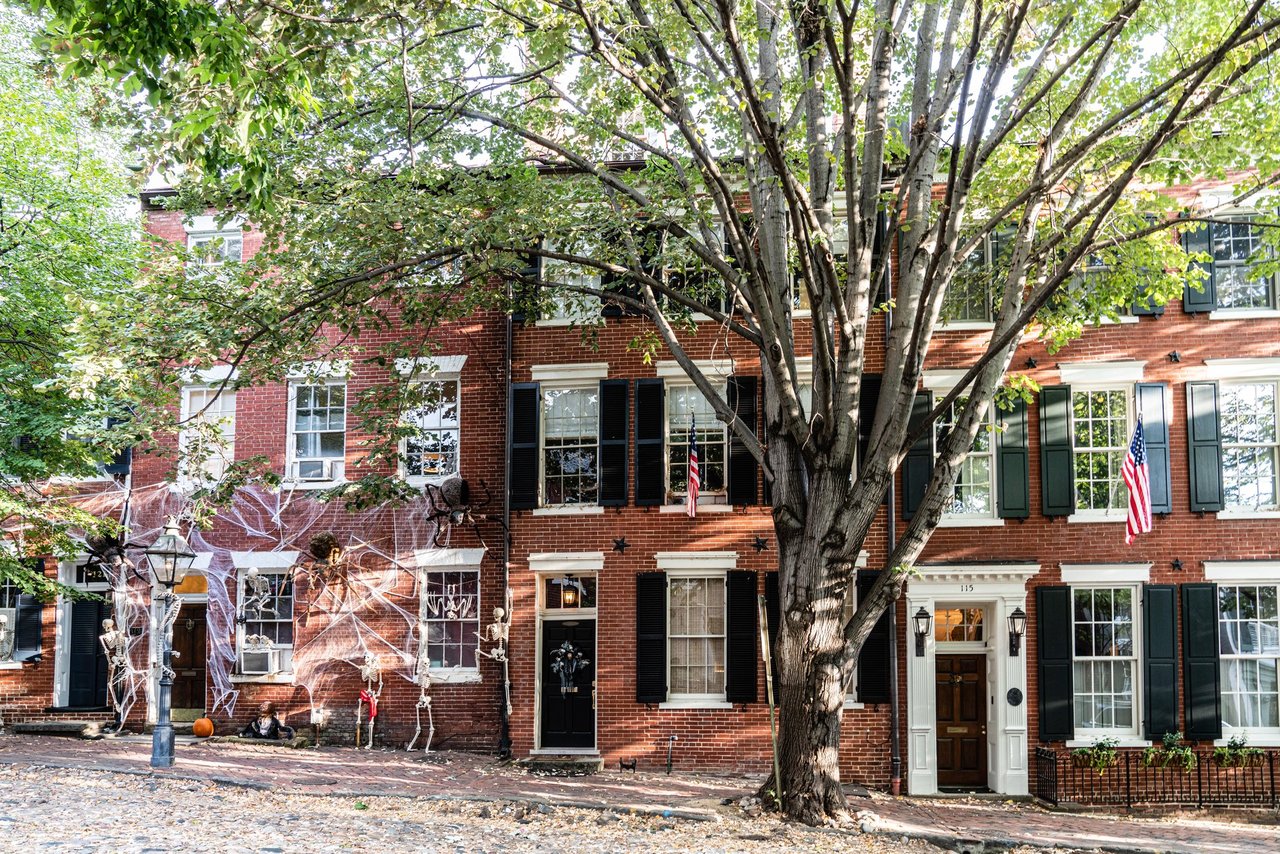
Some Alexandria neighborhoods lean heavily toward townhouses, while others offer more detached homes or multifamily buildings. Old Town, for example, has a high concentration of townhouses and townhouse-like buildings, while Old Town North has a much more mixed-use profile with a housing mix reported as roughly 80% multifamily and 20% townhouse, with limited single-family homes.
Del Ray includes a pattern of single-family and two-family homes in many sections, with some townhouse zoning in selected areas. If your home-type preference is clear from the start, you can compare neighborhoods more efficiently.
Look at Commute Options Realistically
Commute access is one of the clearest ways to compare Alexandria neighborhoods. Depending on where you buy, your practical options may include Metro, VRE, Amtrak, DASH buses, the King Street Trolley, or Metroway service.
DASH is fare-free citywide, and the system connects with Metrorail, Metrobus, VRE, and other local transit. That gives many buyers more flexibility, especially if you want to reduce car trips for work or daily errands.
Transit-Rich Areas to Know
Old Town and Old Town North stand out for access to King St-Old Town Station, which serves the Blue and Yellow Lines and connects with Amtrak and VRE at Alexandria Station. This area also benefits from DASH, Metrobus, and the free trolley serving Old Town and the Waterfront.
Potomac Yard is another major transit-focused option. The Potomac Yard Metro station opened in May 2023 on the Blue and Yellow Lines, and the area also includes Metroway service.
West End, Eisenhower, and Van Dorn offer a different transit profile. Eisenhower Avenue is Yellow Line only, while Van Dorn Street is Blue Line only. The West End also continues to see transit planning and infrastructure investment, including the West Alexandria Transit Center.
Think Beyond Walkability
Buyers often say they want a walkable neighborhood, but that can mean very different things. In Alexandria, one area may offer a historic commercial corridor, another may offer a waterfront promenade, and another may offer quick access to transit and a newer mixed-use setting.
A better question is this: What do you want within easy reach? Coffee shops and errands, a park and trail, a Metro stop, or a quieter residential street? Once you answer that, neighborhood comparisons become much clearer.
How Major Alexandria Areas Compare
Old Town and Old Town North
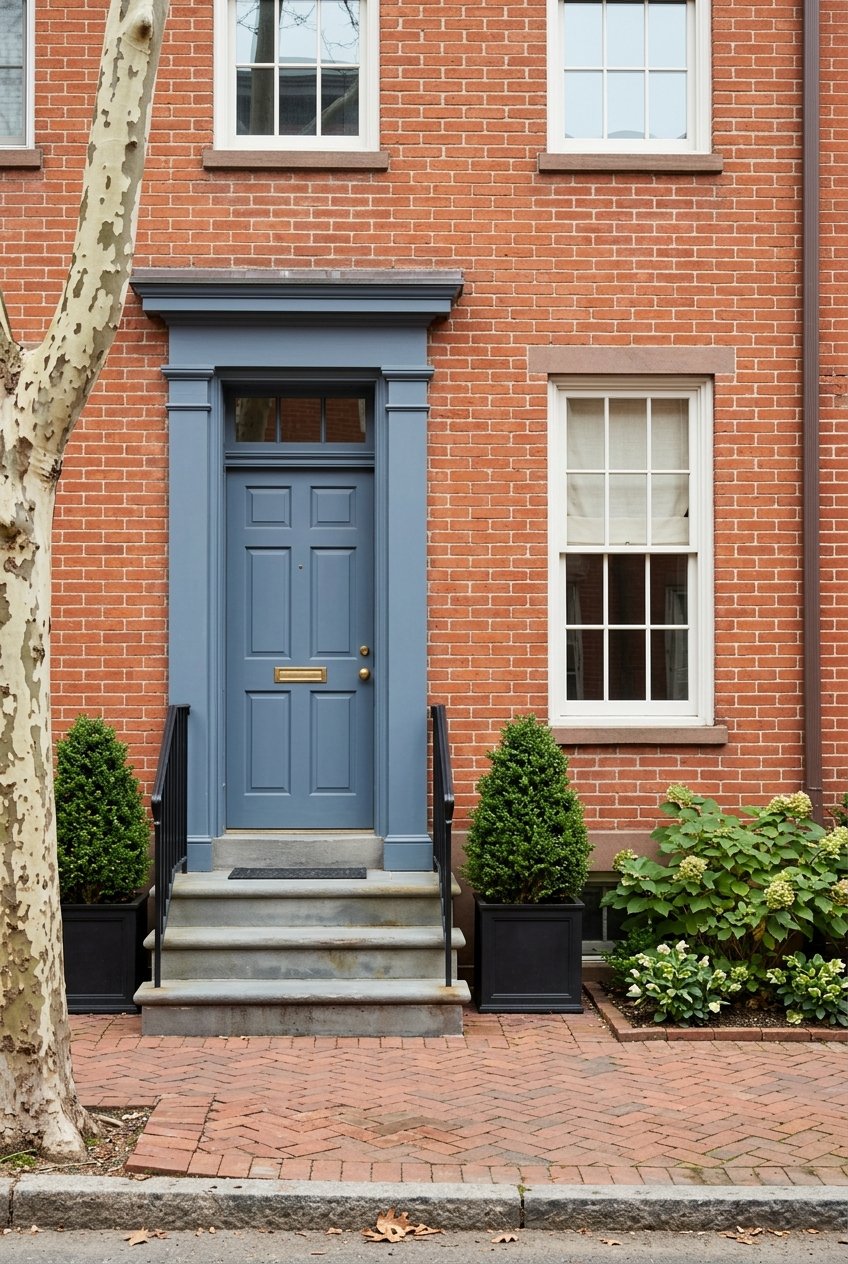
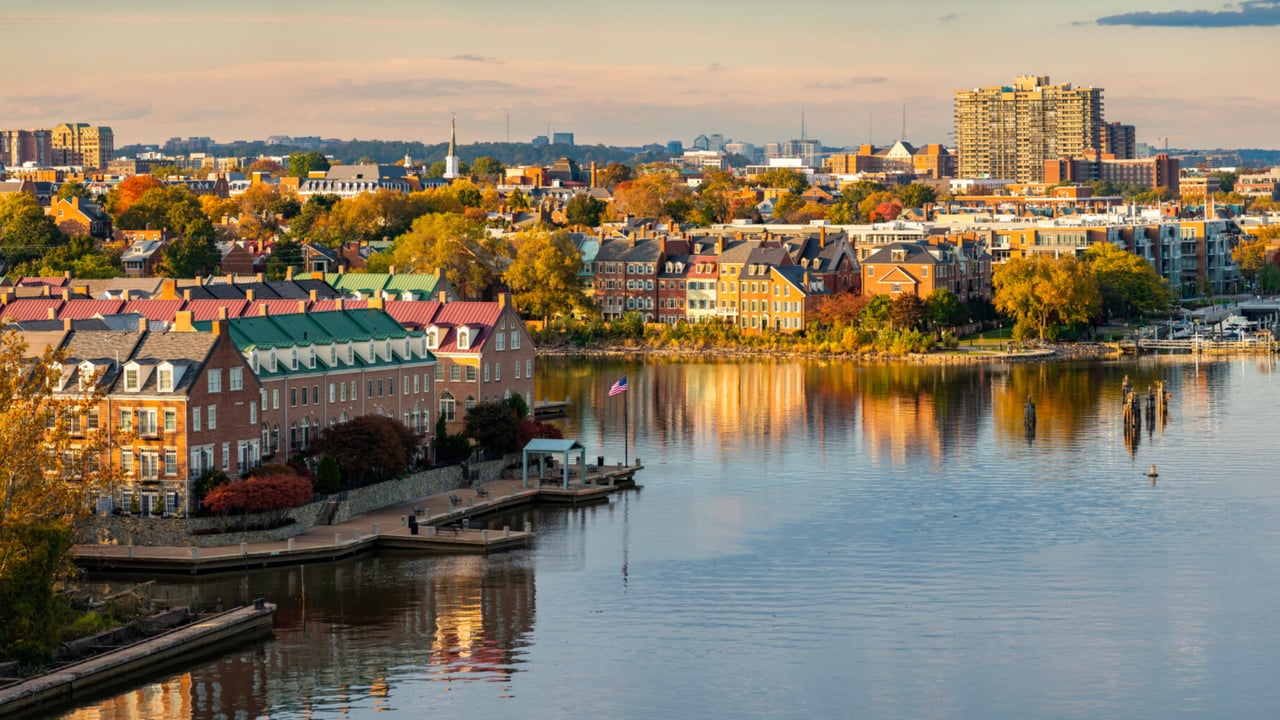
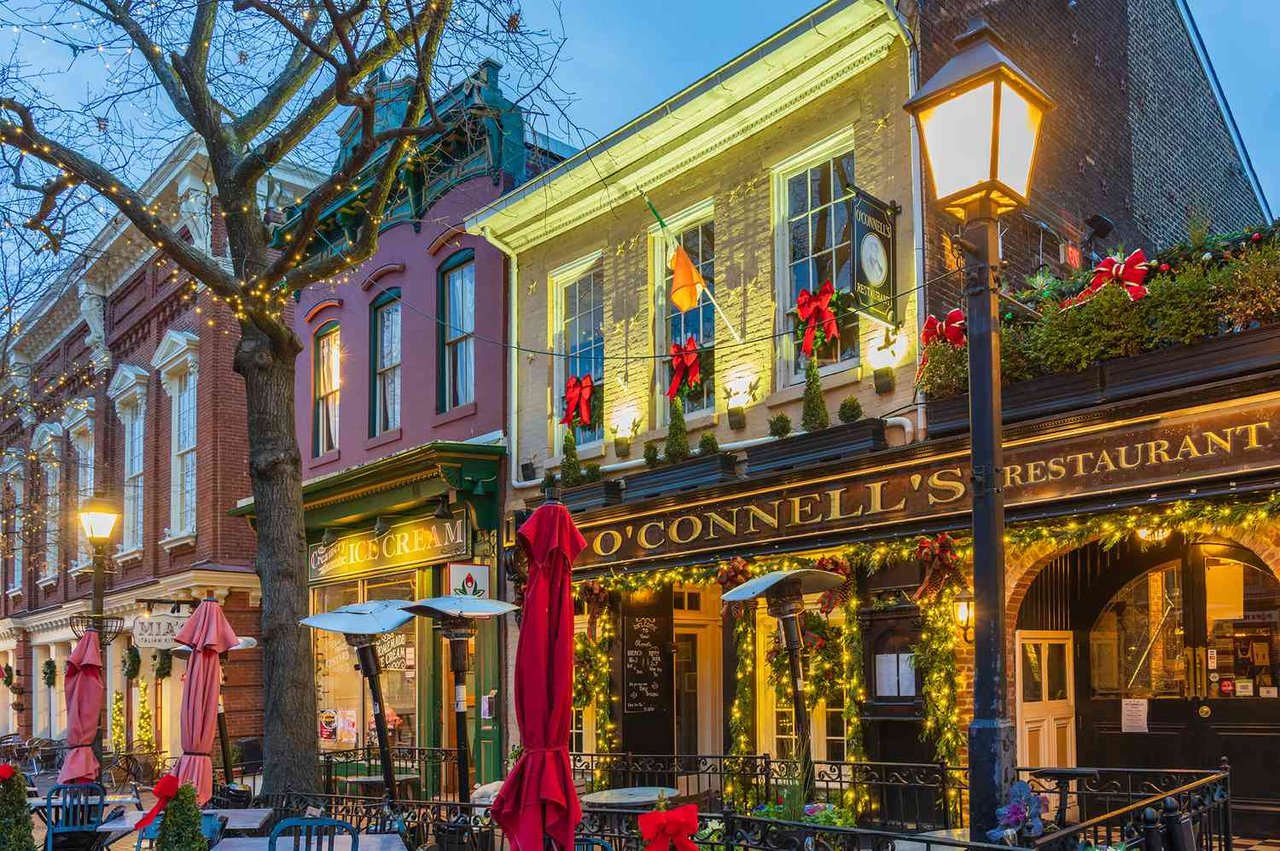
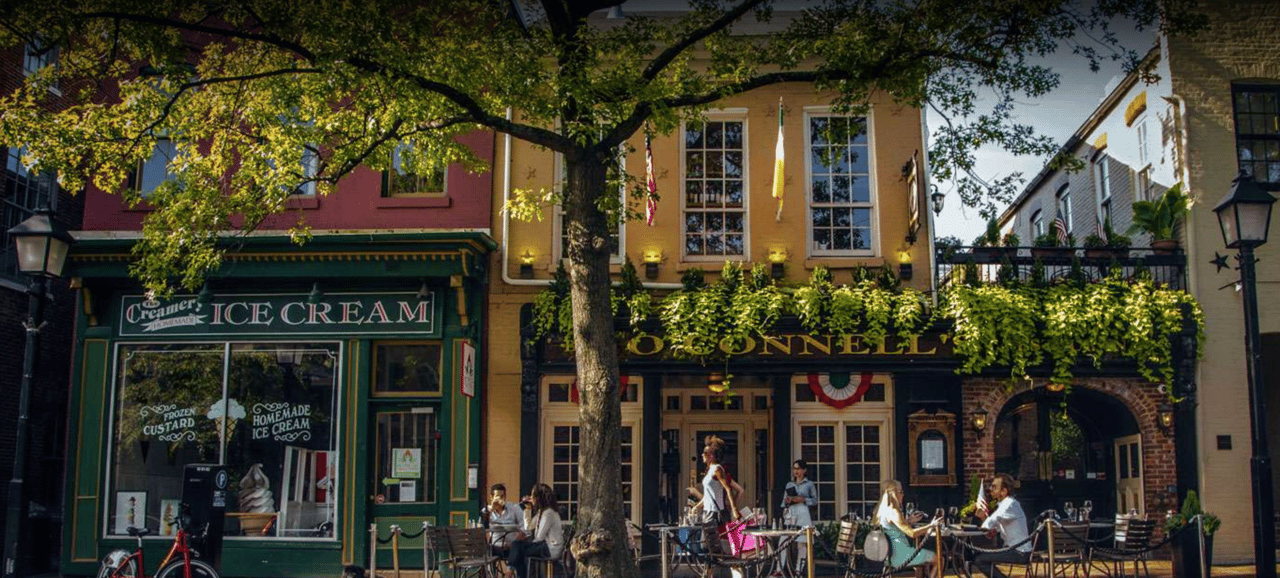
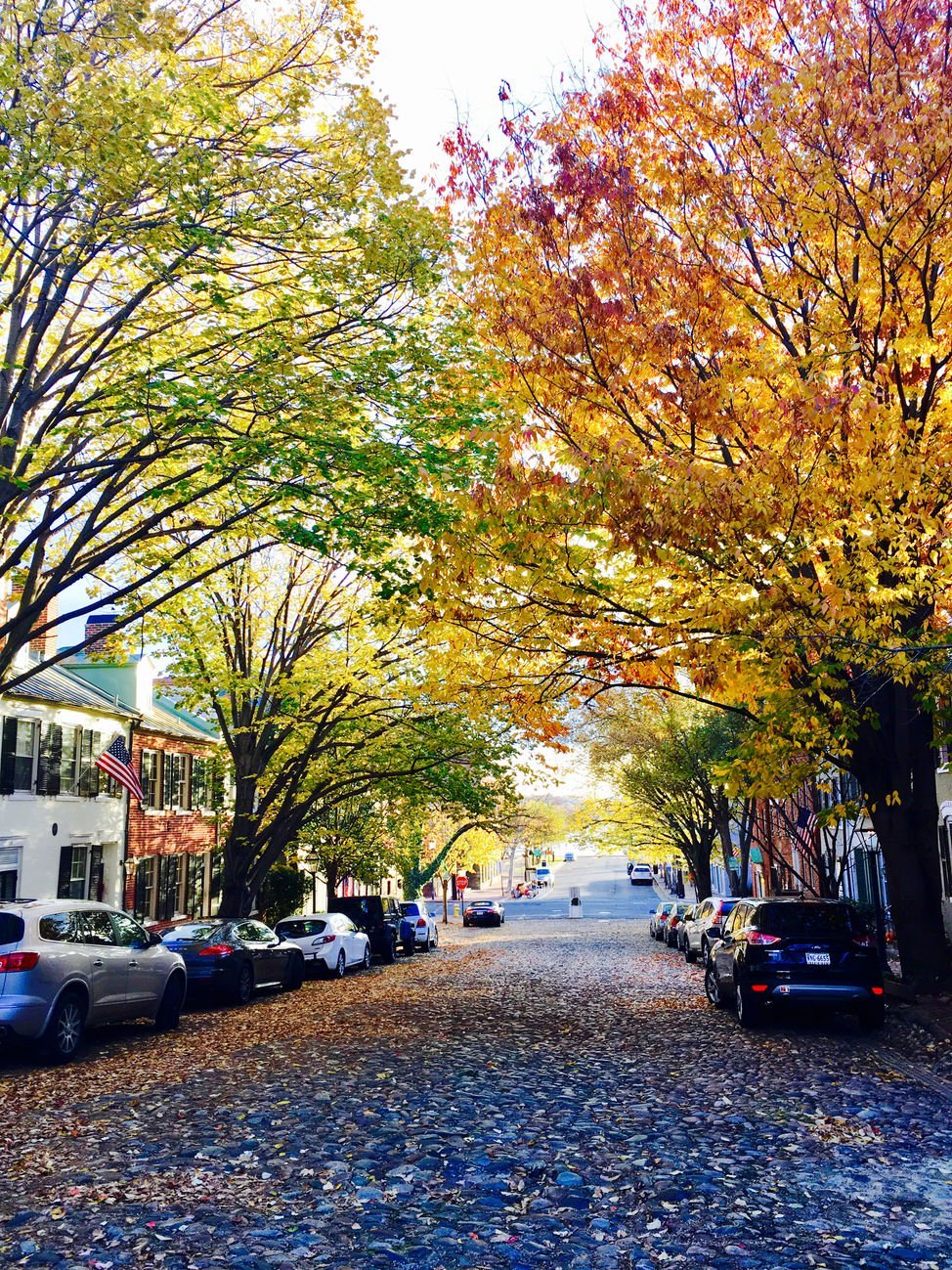
Old Town is Alexandria’s historic urban core, with King Street serving as the city’s commercial center and gathering place. The waterfront is one of the area’s defining amenities, and current city work includes improvements at Waterfront Park and the King Street-Strand Street pedestrian area.
For buyers, Old Town often appeals if you want historic urban walkability, access to shops and restaurants, and strong transit connections. The tradeoff is that parking may feel tighter here than in other areas, since Old Town generally relies on metered on-street parking with time limits in many locations.
Old Town North has a different feel. It is a separate planning area with more mixed-use and redevelopment activity, along with a stronger multifamily presence. If you want an area with ongoing change and a more modern mixed-use pattern, this is one to compare closely.
Del Ray, Arlandria, and Potomac Yard
Del Ray developed as a streetcar suburb, and Mount Vernon Avenue serves as the main street of both Del Ray and Arlandria. This is one of Alexandria’s clearest examples of a neighborhood centered on a main street rather than a downtown core.
From a housing perspective, Del Ray includes many single-family and two-family homes, with some townhouse areas as well. For many buyers, the draw is the combination of residential streets and a clearly defined commercial corridor for daily life.
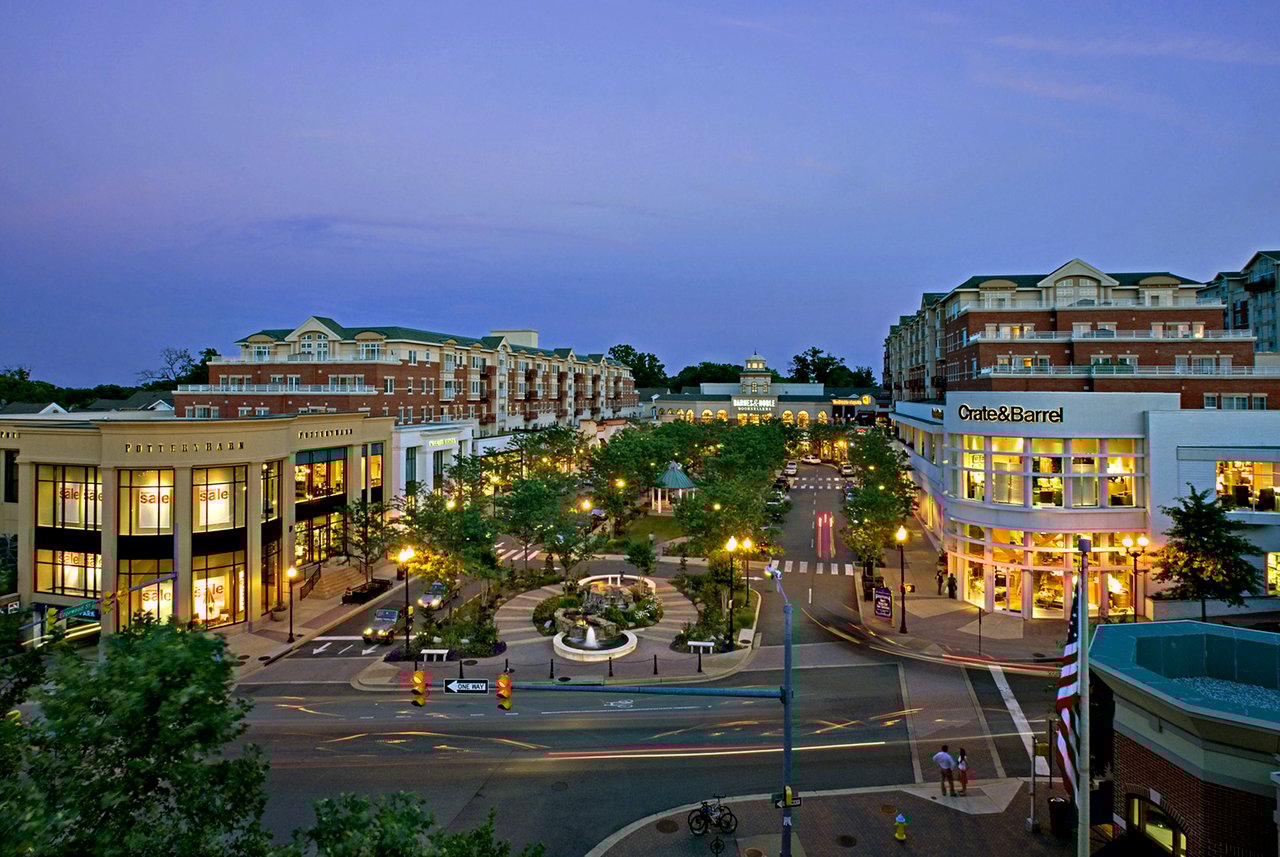
Potomac Yard offers a different experience nearby. It is a newer, transit-oriented area with direct Metro access, Metroway service, and Potomac Yard Park, which includes courts, a dog area, playgrounds, trails, and an interactive fountain. If you want newer transit-oriented living, Potomac Yard is often one of the clearest options to evaluate.
Rosemont and Braddock Heights
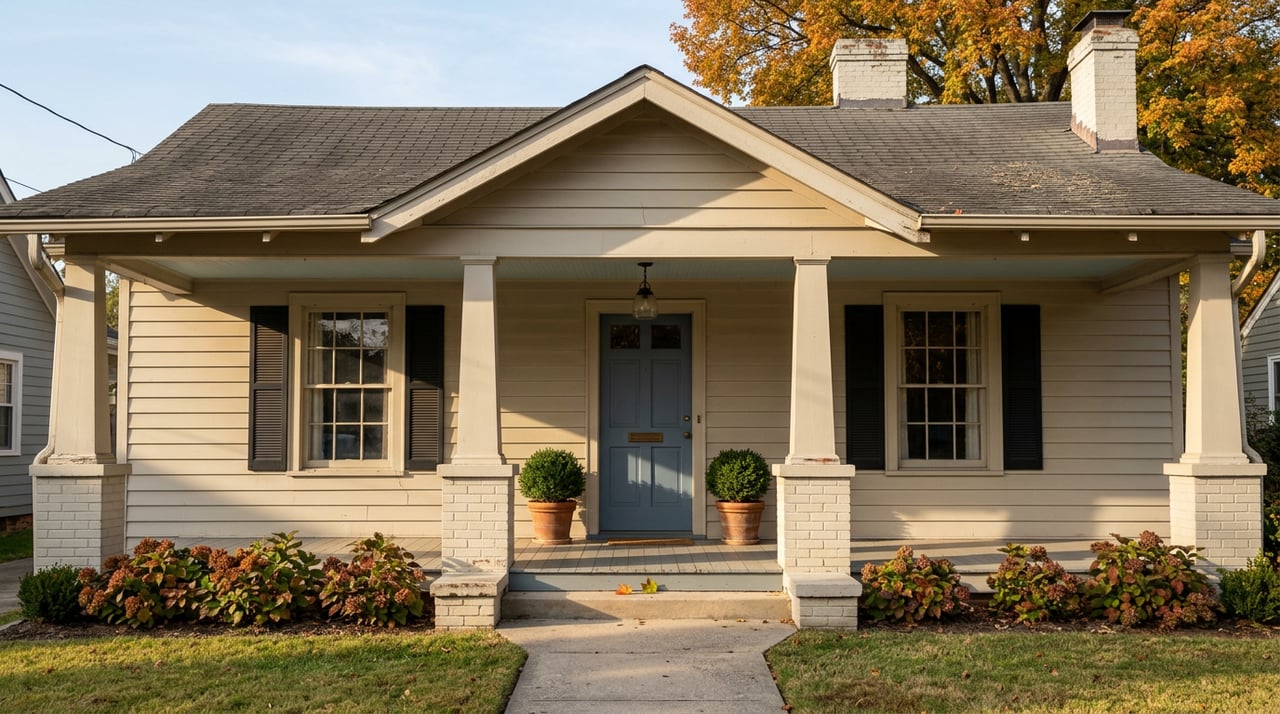
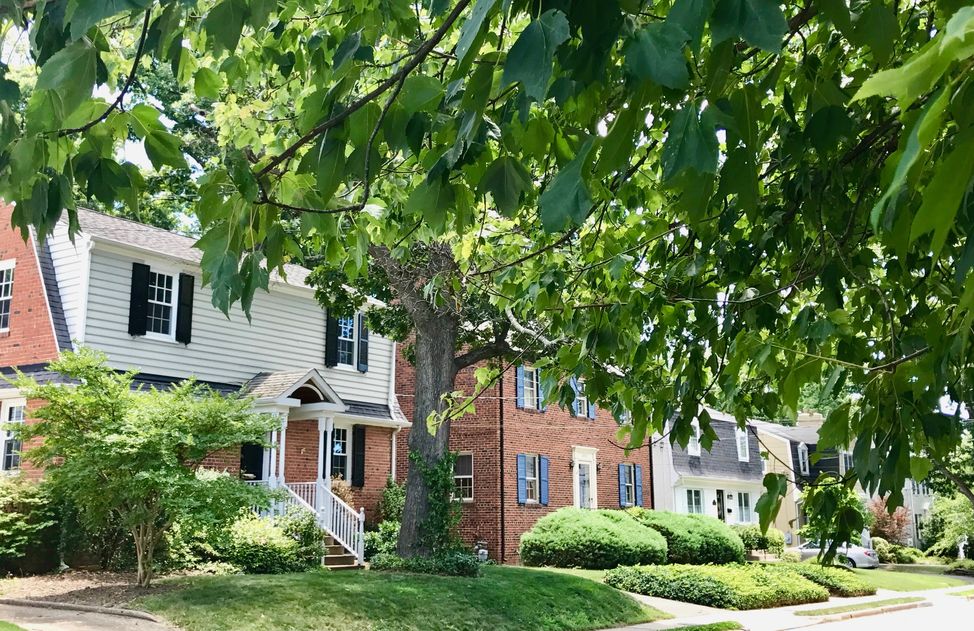
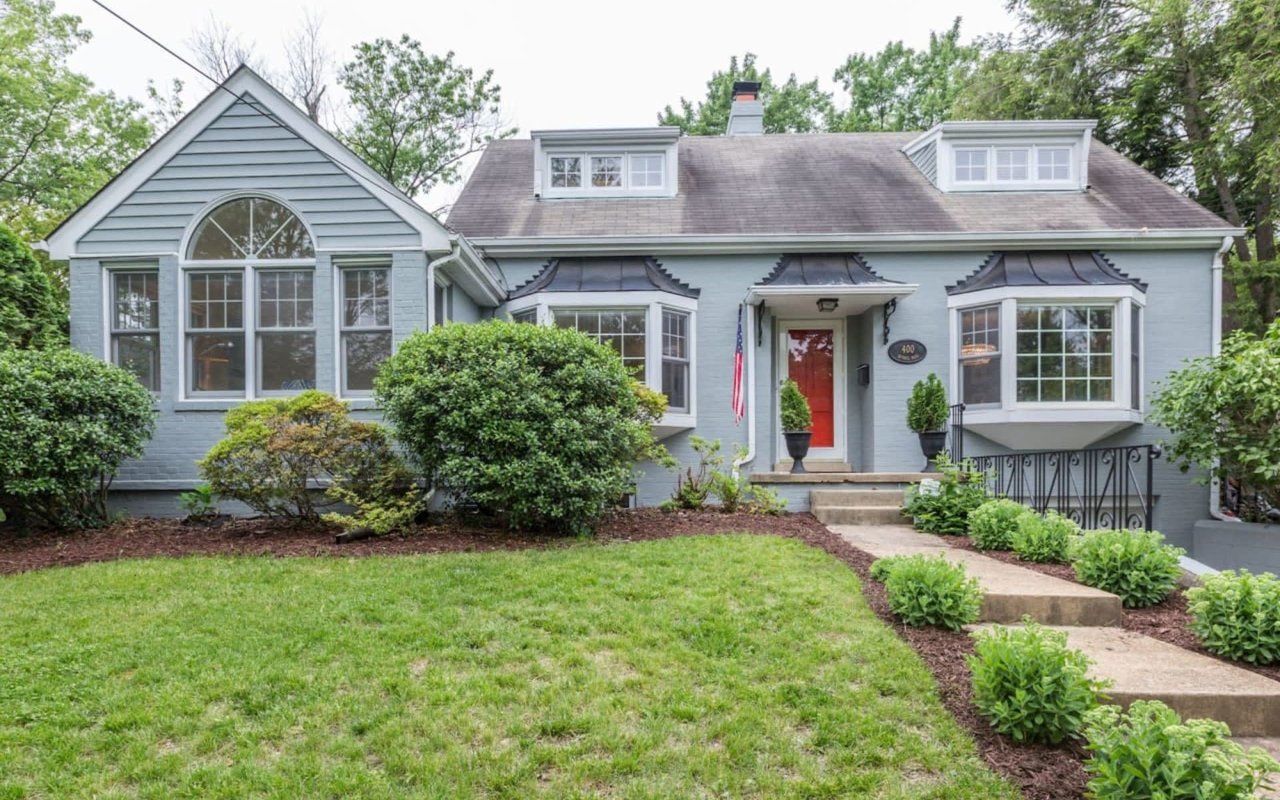
Rosemont is one of Alexandria’s seven National Register historic districts and is known for homes built largely between 1908 and 1930. The area includes styles such as Craftsman bungalows, Arts and Crafts homes, and Colonial Revival houses.
For buyers, Rosemont is worth studying if you are drawn to older residential architecture and preserved neighborhood character. Compared with areas built around a main retail corridor, Rosemont reads more as a residential architectural neighborhood.
Its nearby transit anchors include Braddock Road and King St-Old Town stations based on its location within the city. If you want a residential setting close to the city center, Rosemont is often part of that conversation.
West End, Landmark, Eisenhower, and Van Dorn
The West End is Alexandria’s most redevelopment-heavy area. City planning materials describe it as a long-term mixed-use redevelopment district, with a 20- to 25-year planning horizon in the AlexWest framework.
That makes this part of Alexandria especially important if you want to compare present-day convenience with future change. Buyers considering the West End should pay attention to redevelopment plans, building patterns, and transportation improvements because the area is evolving.
This section of the city also stands out for larger parks and nature-oriented spaces. Ben Brenman Park, Dora Kelley Nature Park, Holmes Run Scenic Easement, and James Marx All Veterans Park reflect the area’s open-space pattern.
Use Parks and Trails as a Tie-Breaker
Alexandria reports more than 900 acres of parks and public spaces, along with 15.4 miles of off-street trails. That means green space is not just a yes-or-no feature here. The real question is what kind of outdoor access fits your routine.
Old Town leans more toward waterfront and promenade-style open space. Del Ray offers more corridor-scale parks and community gathering spaces. Potomac Yard connects buyers to a regional park and trail system, while the West End tends to offer larger wooded and stream-valley park experiences.
If you walk, run, bike, or spend time outdoors most days, this can be one of the most useful ways to compare neighborhoods that otherwise seem similar on paper.
Do Not Treat Parking as an Afterthought
Parking can shape your experience more than buyers expect, especially if you plan to drive often. In parts of Old Town and Carlyle, on-street parking is generally metered with time limits, and Potomac Yard also has regulated on-street parking.
Alexandria Station for VRE does not offer parking. So if your routine depends on keeping a car, driving to errands, or hosting frequent visitors, parking should be one of your first comparison points, not your last.
Separate Stable Areas From Changing Areas
One of the smartest ways to compare Alexandria neighborhoods is to distinguish between preservation-oriented areas and redevelopment-oriented areas. These are not better-or-worse categories. They simply reflect different buyer priorities.
Old Town and Rosemont are shaped in large part by historic preservation and older neighborhood patterns. Old Town North, Potomac Yard, Landmark/Van Dorn, and the West End are more closely tied to active planning and redevelopment.
If you prefer a neighborhood with a more established built environment, preservation-oriented areas may rise to the top. If you like the idea of newer housing, infrastructure investment, and long-term evolution, redevelopment areas may be a better fit.
A Simple Way to Narrow Your Search
If you feel torn between several parts of Alexandria, start with this practical framework:
- Old Town for historic urban walkability
- Del Ray for a neighborhood main-street feel
- Rosemont for older residential character
- Potomac Yard for newer transit-oriented living
- West End for the most change and a broad mix of newer product
This is not a ranking. It is simply a useful way to match your priorities to the kind of neighborhood experience each area tends to offer.
How to Compare Neighborhoods on Tour Day
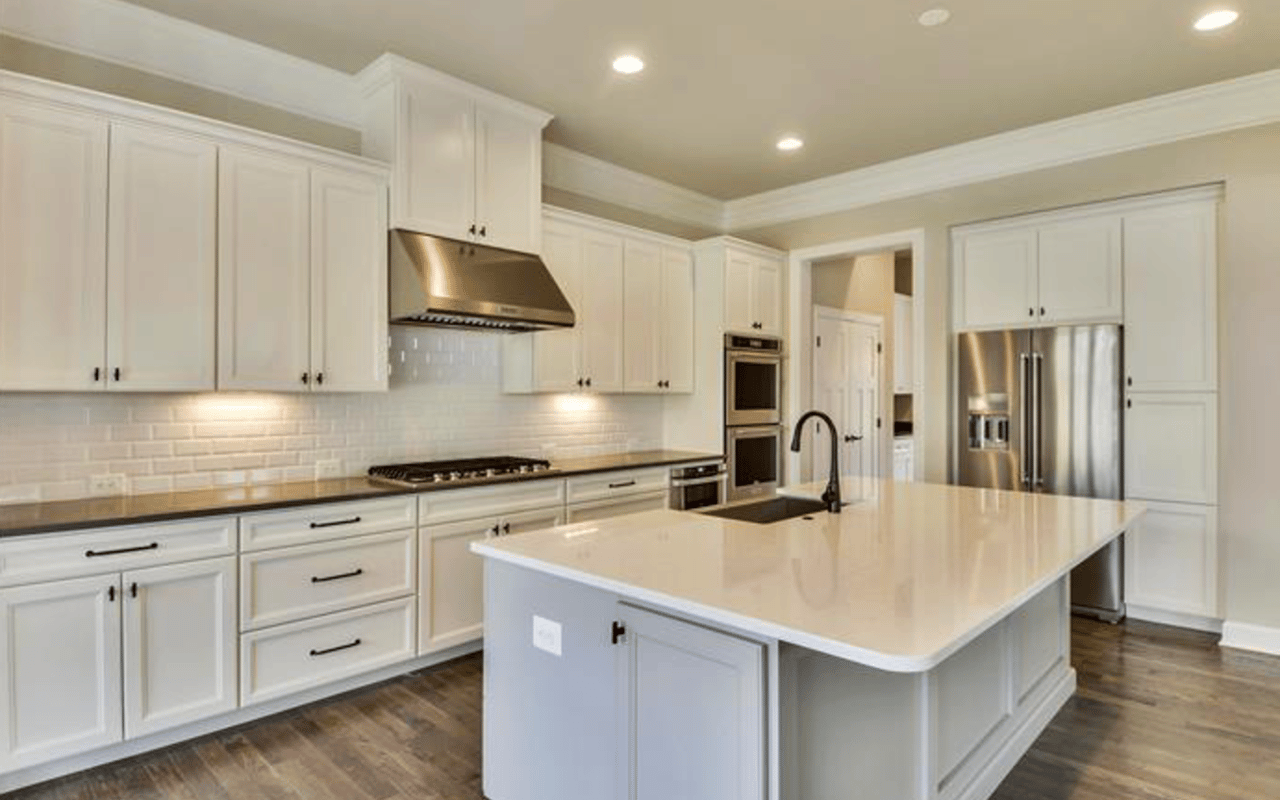
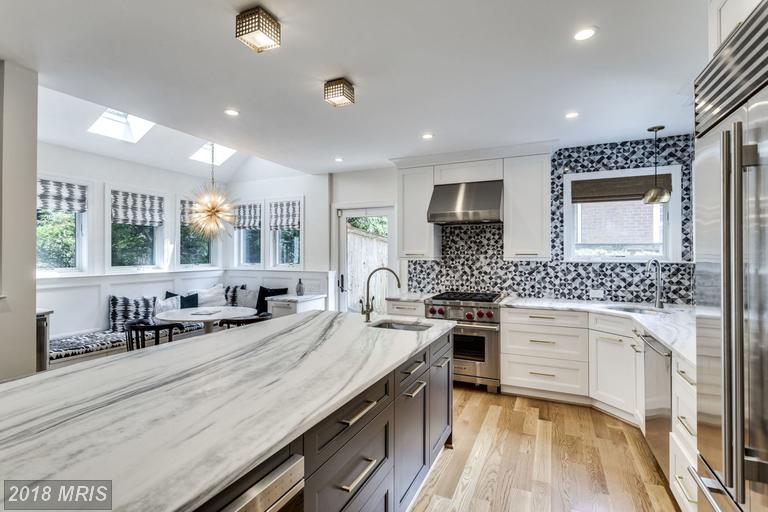
Once you have narrowed your list, try comparing each area in the same order. That helps you avoid getting distracted by one beautiful kitchen or one especially charming block.
Use a short checklist like this:
- Which housing types show up most often here?
- How would I realistically commute from this area?
- What errands could I do nearby?
- What kind of parks or trails are close by?
- How does parking work day to day?
- Is this area mostly stable, or is it changing?
That kind of side-by-side comparison usually leads to a better decision than relying on neighborhood reputation alone.
If you want help sorting through the tradeoffs between Alexandria neighborhoods, working with a local advisor can make the process much less overwhelming. With deep experience across Alexandria and a highly personalized approach, Jessica Richardson can help you focus on the neighborhoods that fit your lifestyle, priorities, and long-term plans.
FAQs
How should buyers compare Alexandria neighborhoods?
- Start by comparing housing types, commute access, errands, parks and trails, parking, and how much redevelopment is planned in the area.
Are Alexandria neighborhood boundaries official?
- Not always. City materials indicate that some neighborhood definitions are partly resident-defined, while the city’s planning framework is organized through small area plans.
Which Alexandria neighborhoods have the strongest transit access?
- Old Town, Old Town North, and Potomac Yard are major areas to compare for transit access, and DASH bus service is fare-free citywide.
Which Alexandria neighborhoods are changing the most?
- Old Town North, Potomac Yard, Landmark/Van Dorn, and the West End are among the clearest areas with active planning and redevelopment.
Which Alexandria neighborhoods feel more preservation-oriented?
- Old Town and Rosemont stand out because city materials emphasize historic districts, preserved street patterns, and older housing forms.
Why does parking matter when buying in Alexandria?
- Parking rules vary by area, and some neighborhoods rely heavily on metered or regulated on-street parking, which can affect your day-to-day convenience.