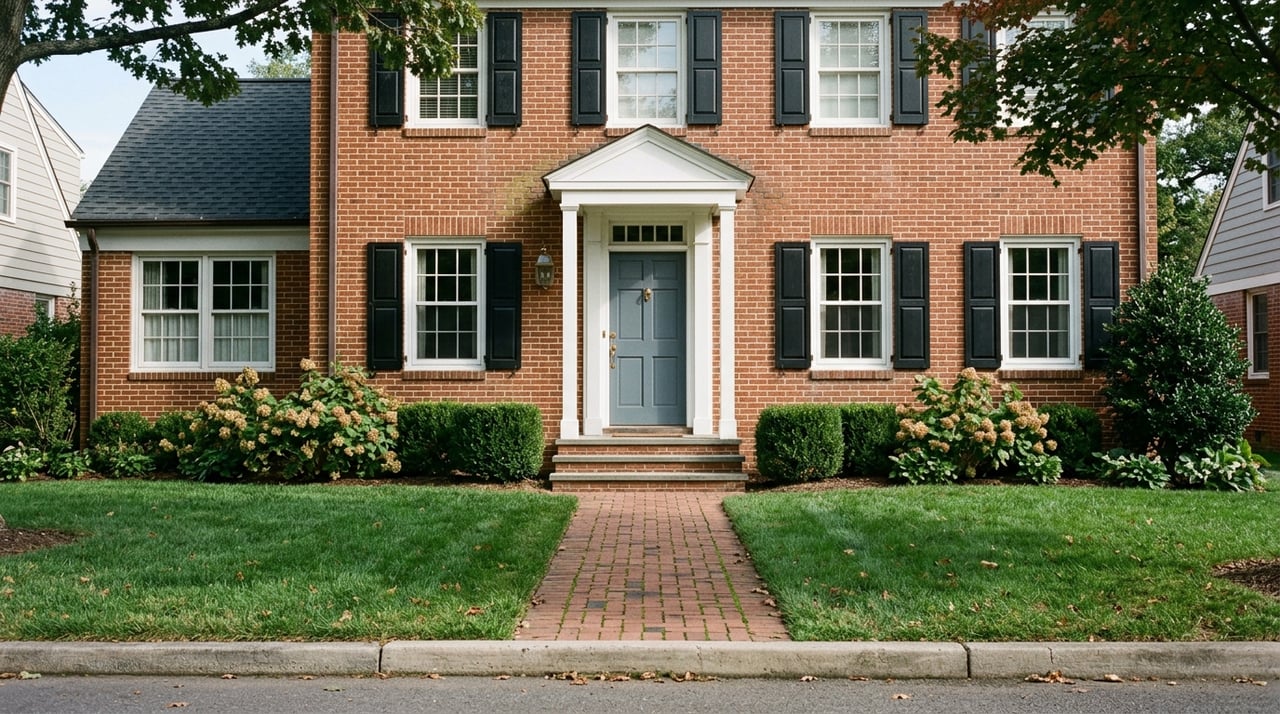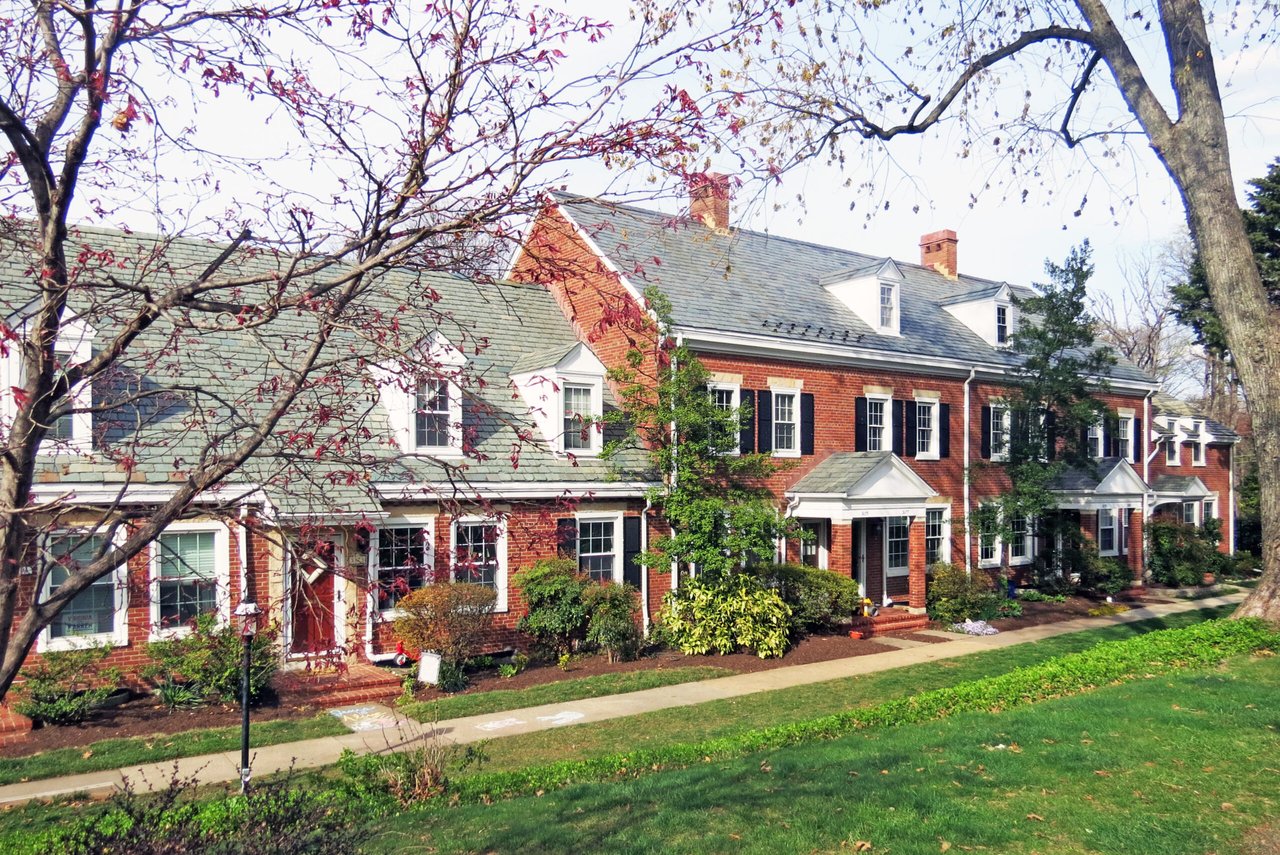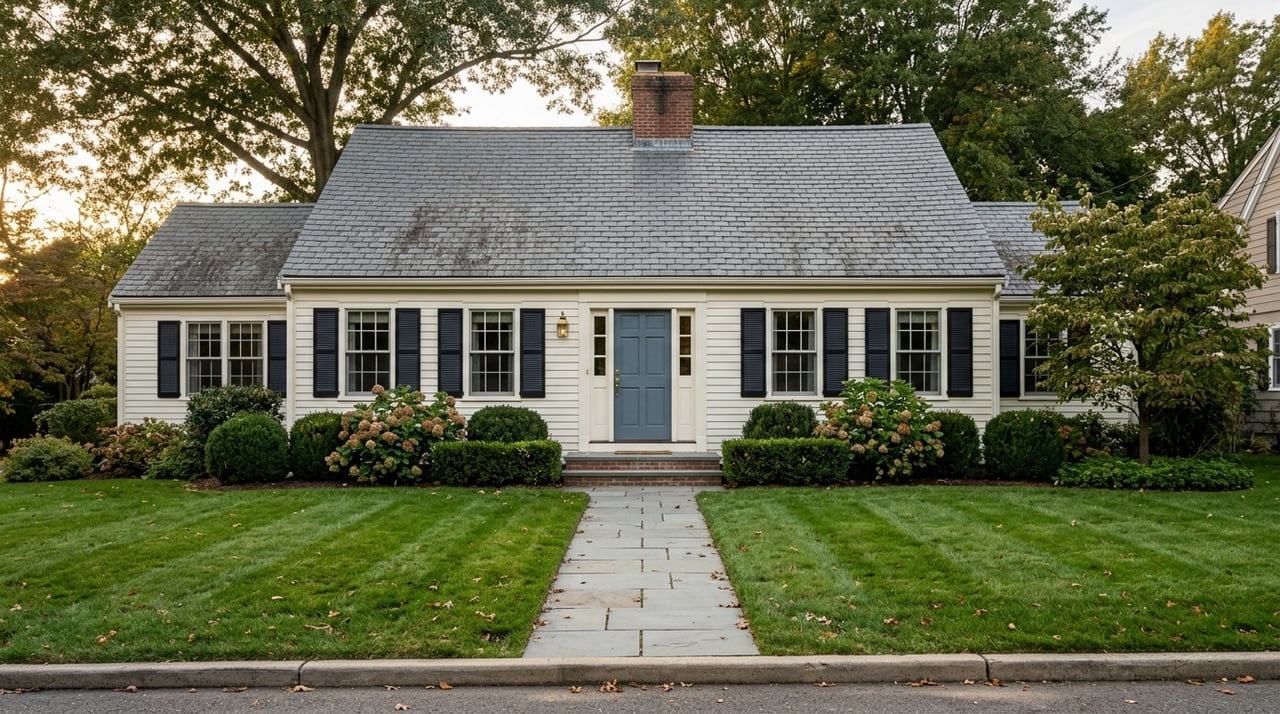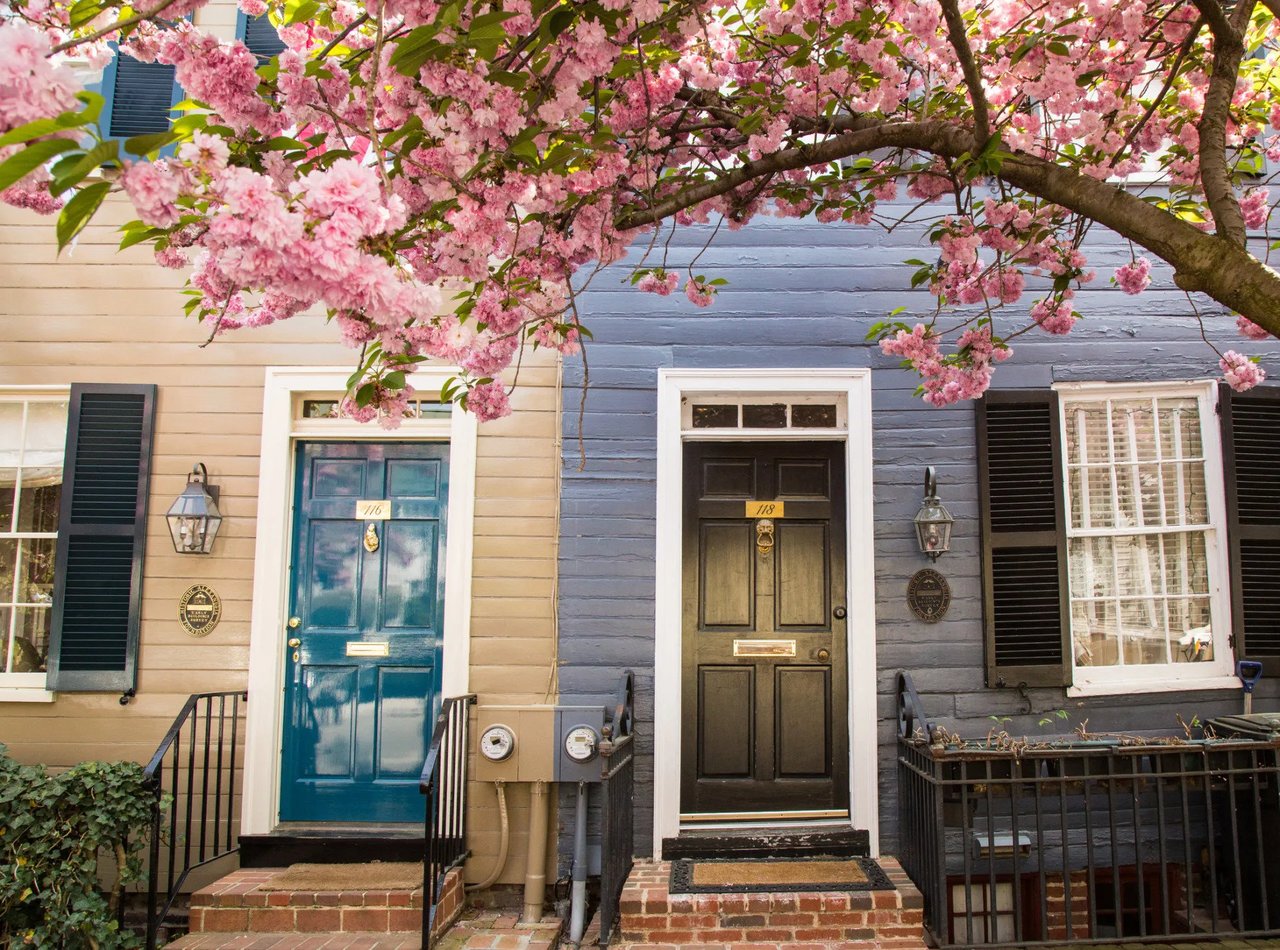
Trying to choose between a Georgetown rowhouse and a condo? You are not alone. Many buyers love Georgetown’s charm, walkability, and historic setting, but the right fit often comes down to how you want to live day to day. If you are weighing character, maintenance, privacy, monthly costs, and renovation flexibility, this guide will help you sort through the tradeoffs. Let’s dive in.
Why Georgetown Feels Different
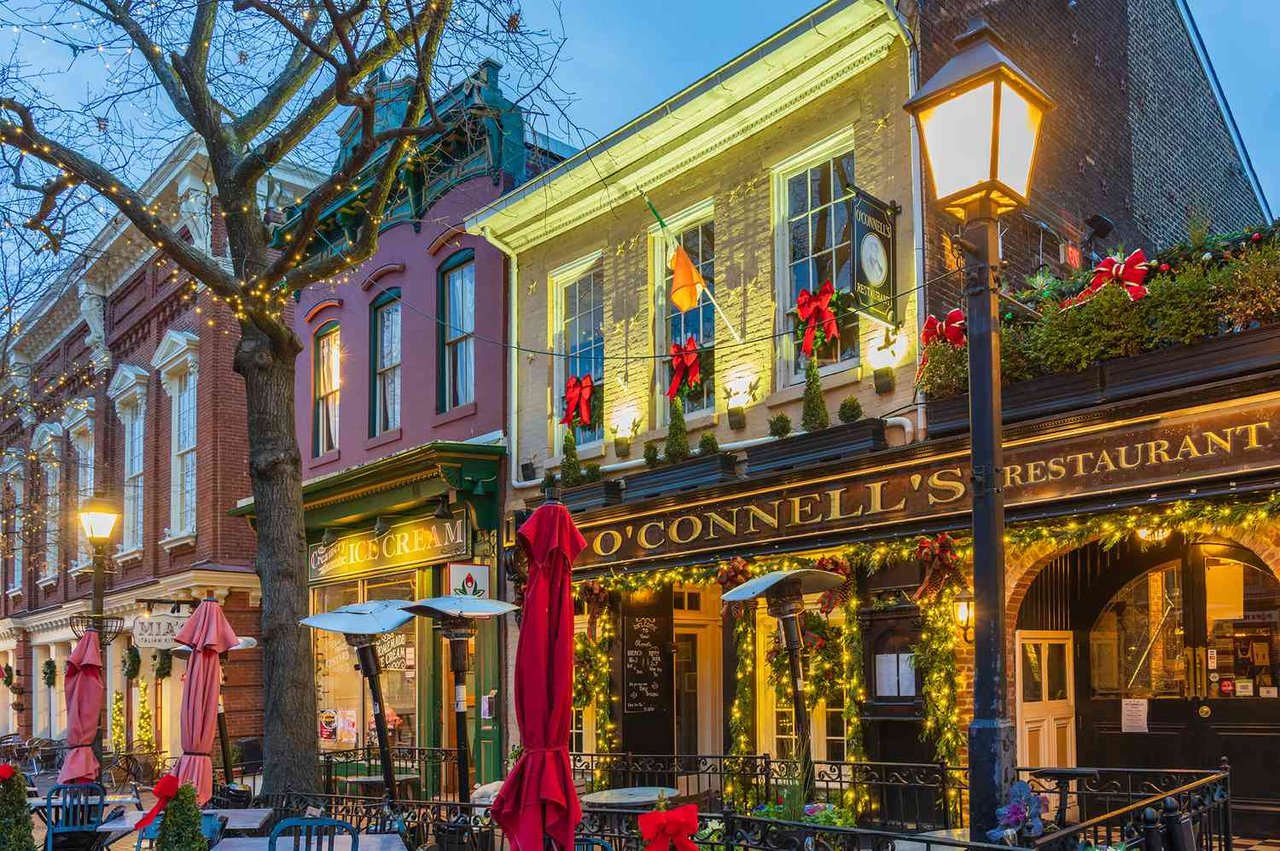
Georgetown is Washington, DC’s original neighborhood and a National Historic District. It blends quiet residential blocks, tree-lined streets, older homes, small parks, the waterfront, the C&O Canal towpath, and a busy retail and dining district with more than 470 shops, restaurants, and institutions.
That mix gives Georgetown a strong lifestyle appeal no matter what type of home you buy. At the same time, it is important to remember that Georgetown has no Metrorail station of its own, even though two stations are within walking distance and the neighborhood has more than 3,800 parking spaces across garages and lots.
Rowhouse Or Condo: The Core Difference
In Georgetown, the choice is usually less about whether the neighborhood works for you and more about how much responsibility and control you want. A rowhouse often gives you a more self-contained, house-like experience. A condo often gives you more convenience and shared responsibility.
That sounds simple, but in Georgetown, historic district rules can make the decision more nuanced. Exterior changes, visible updates, and even some outdoor features may require review or permits, depending on the property and the work involved.
Why Buyers Love Georgetown Rowhouses
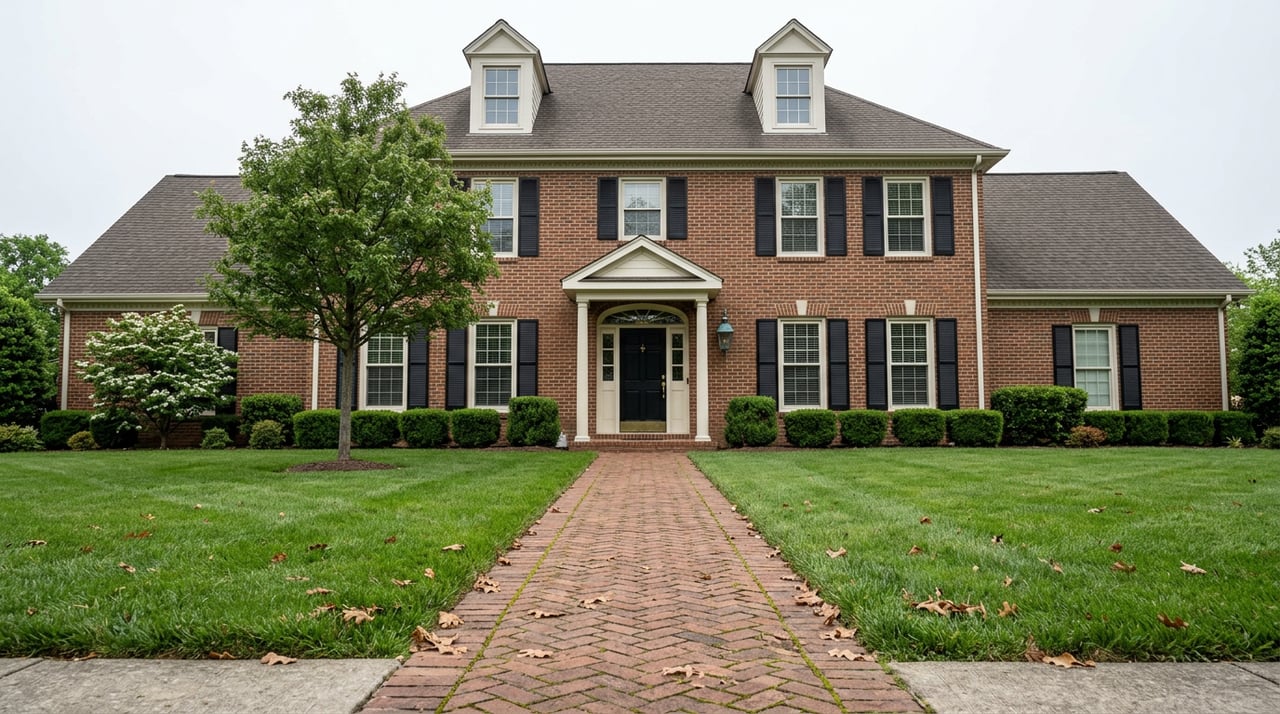
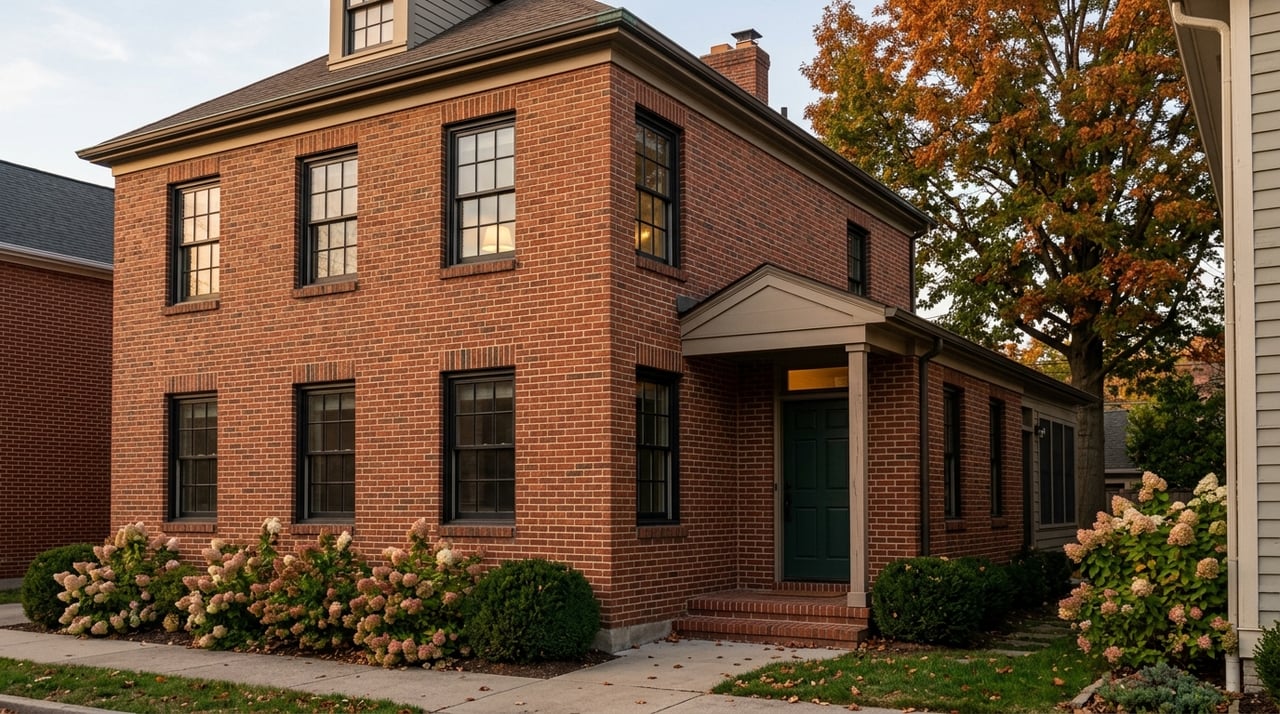
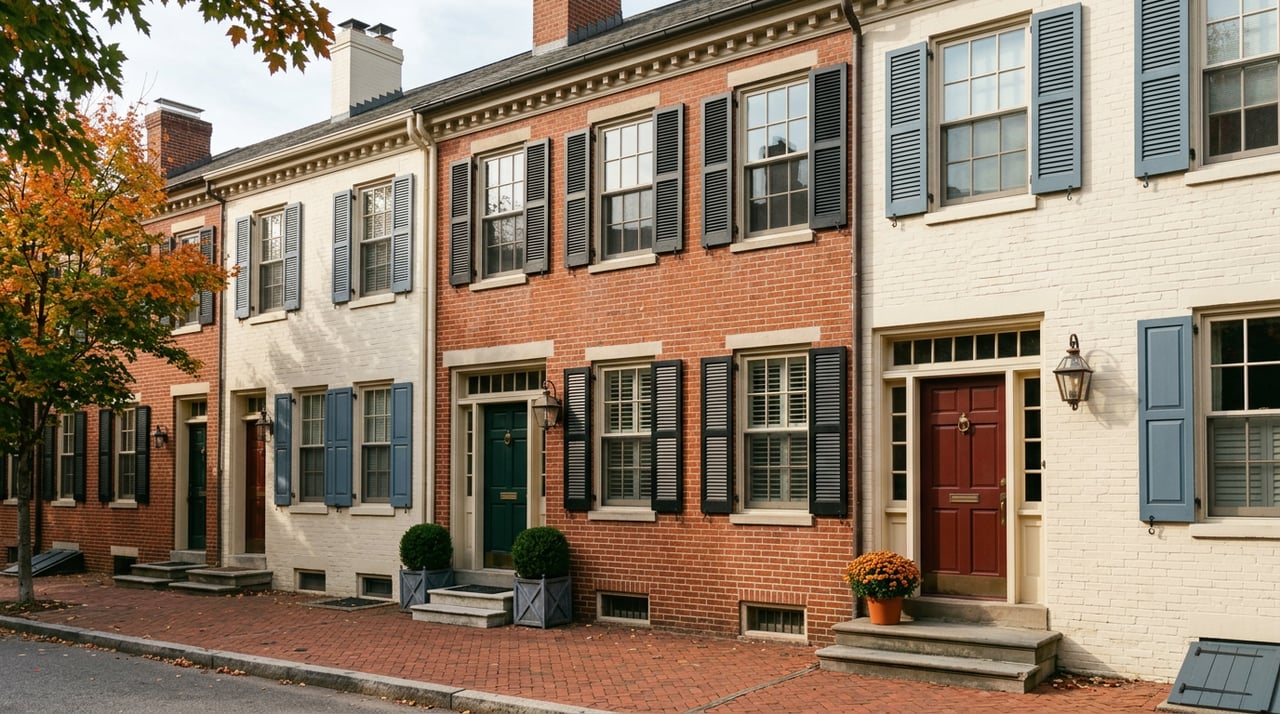
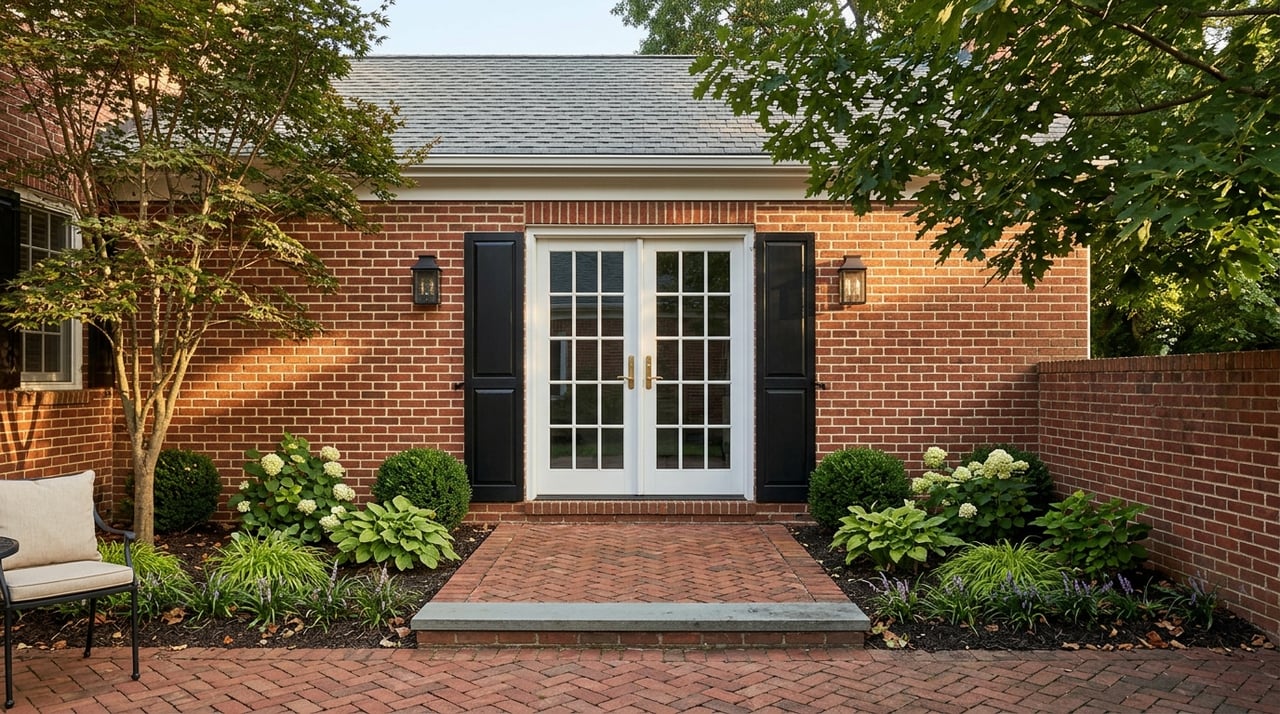
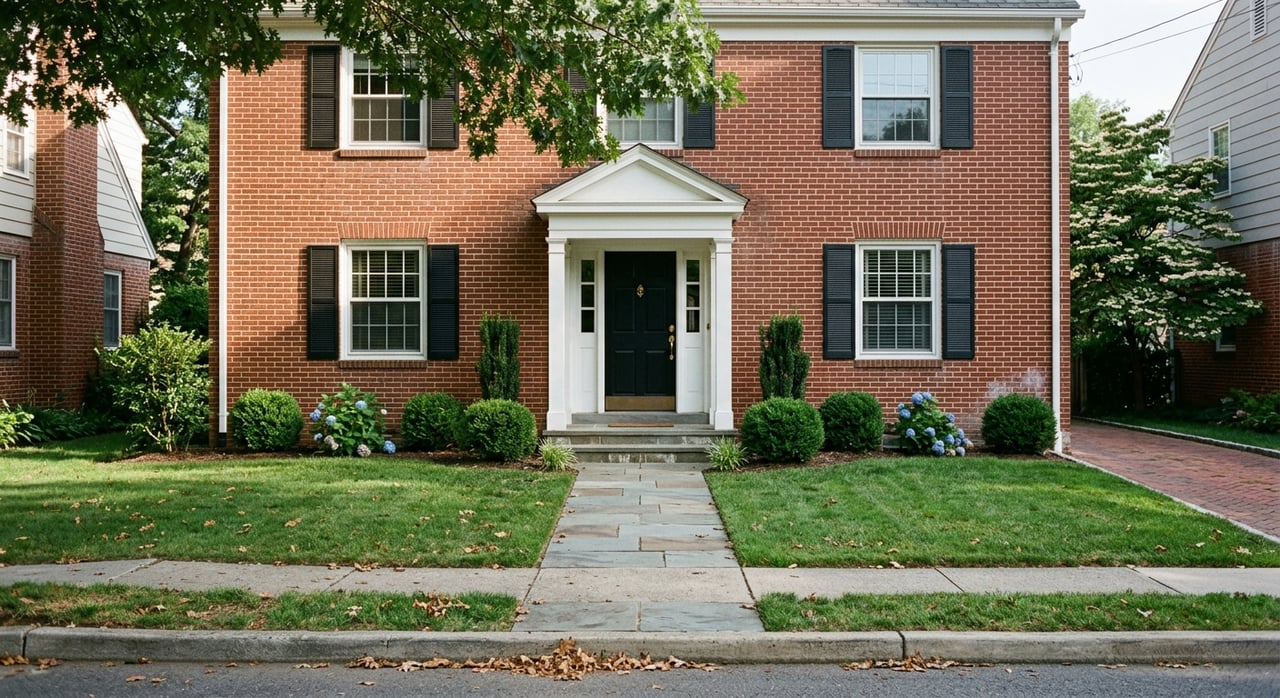
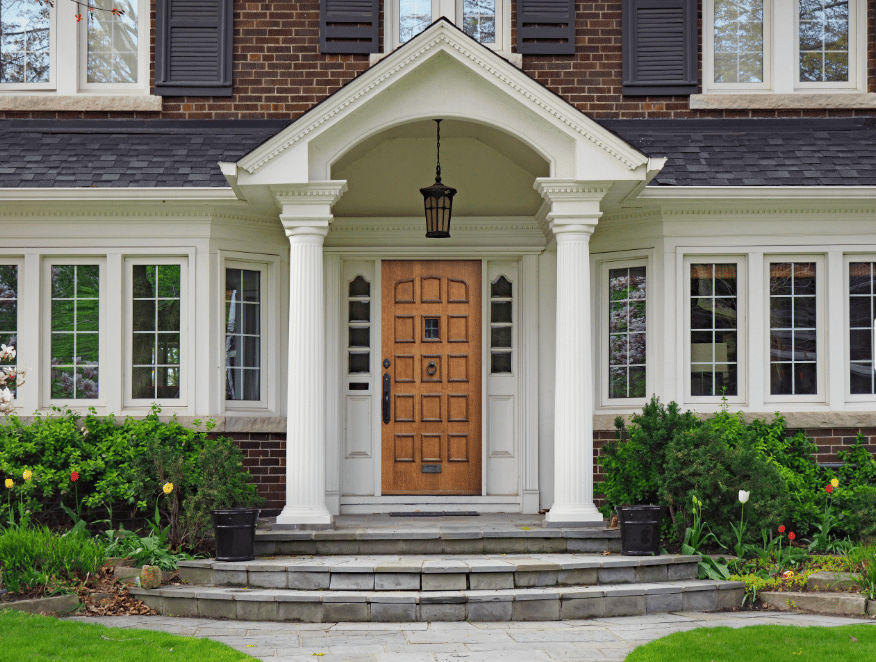
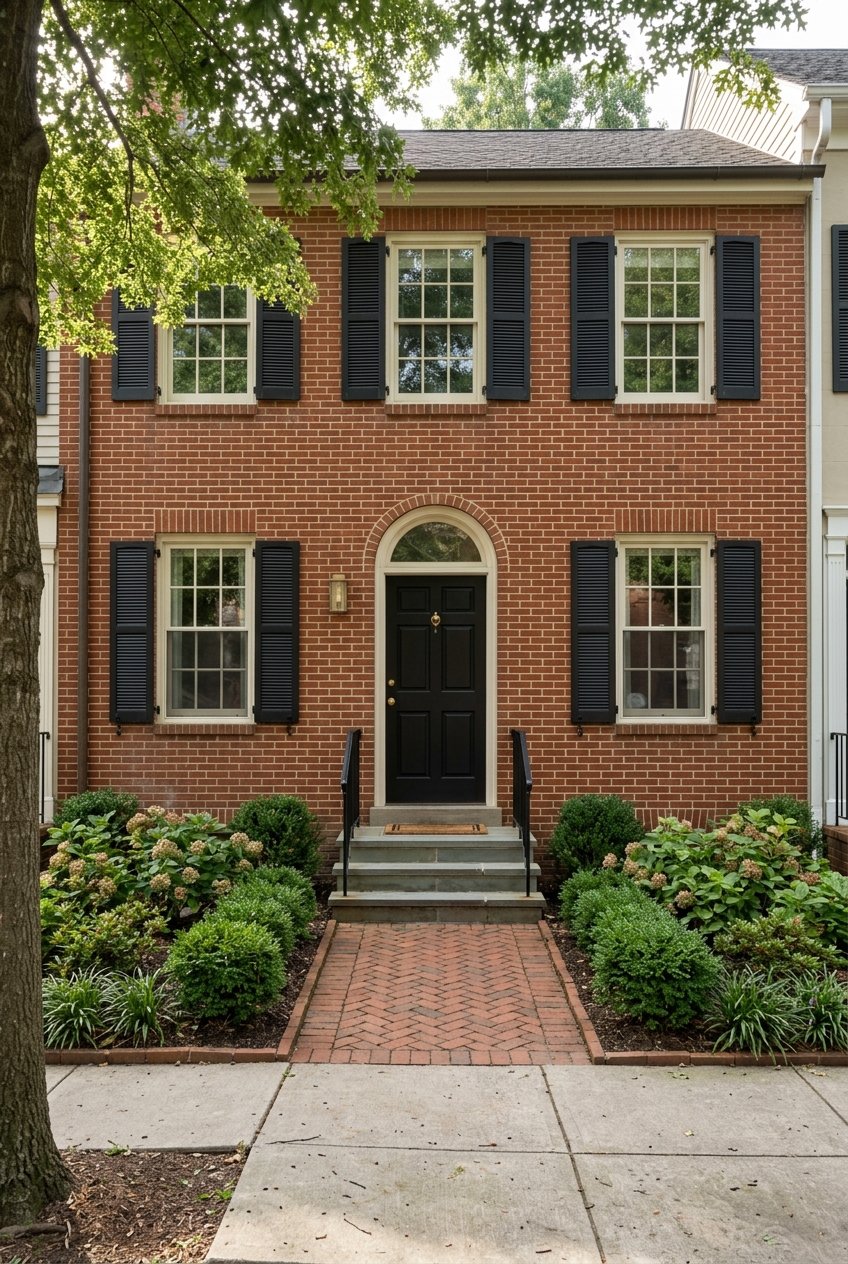
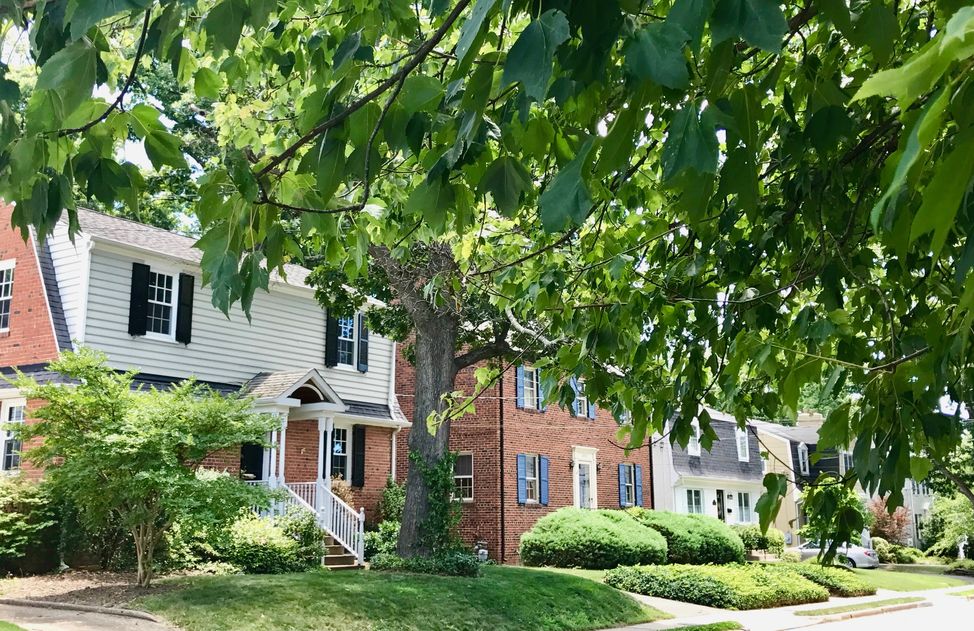
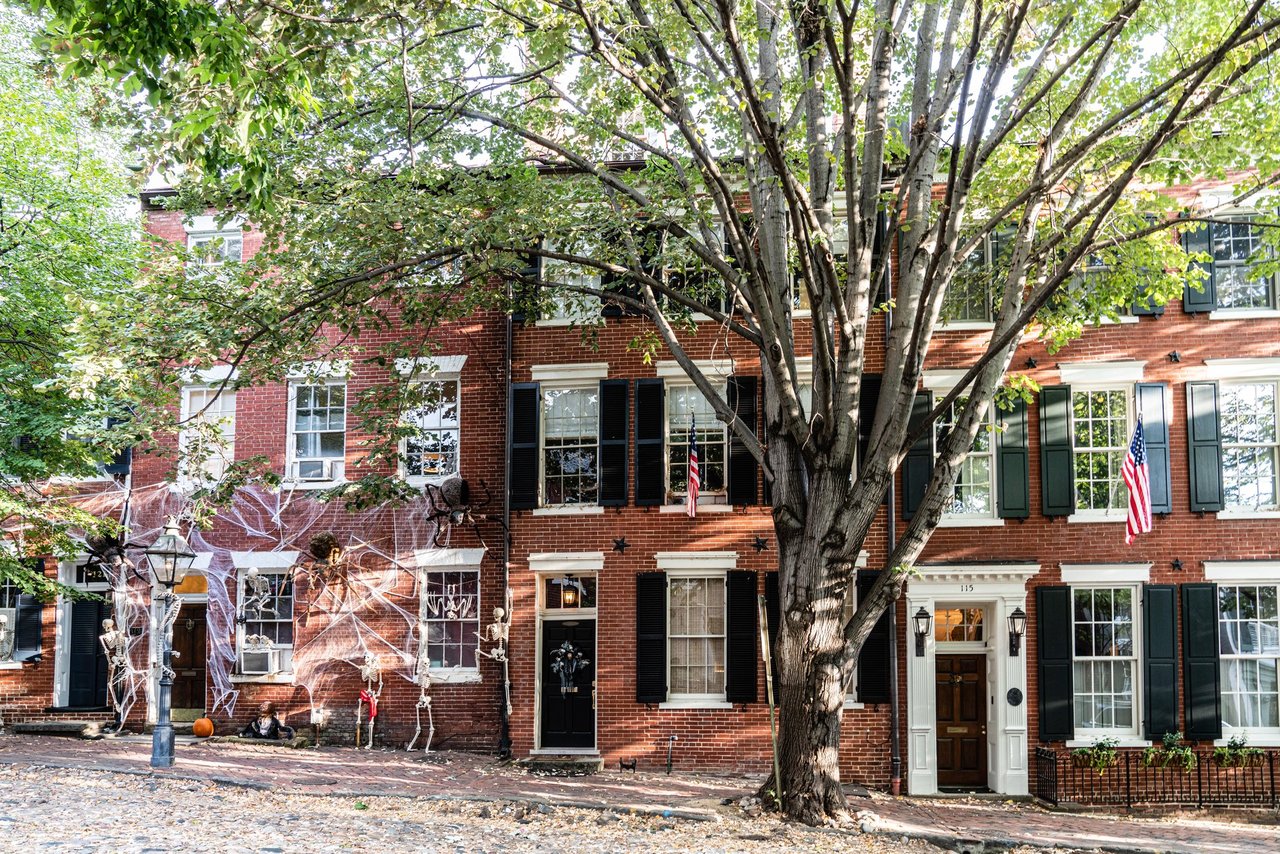
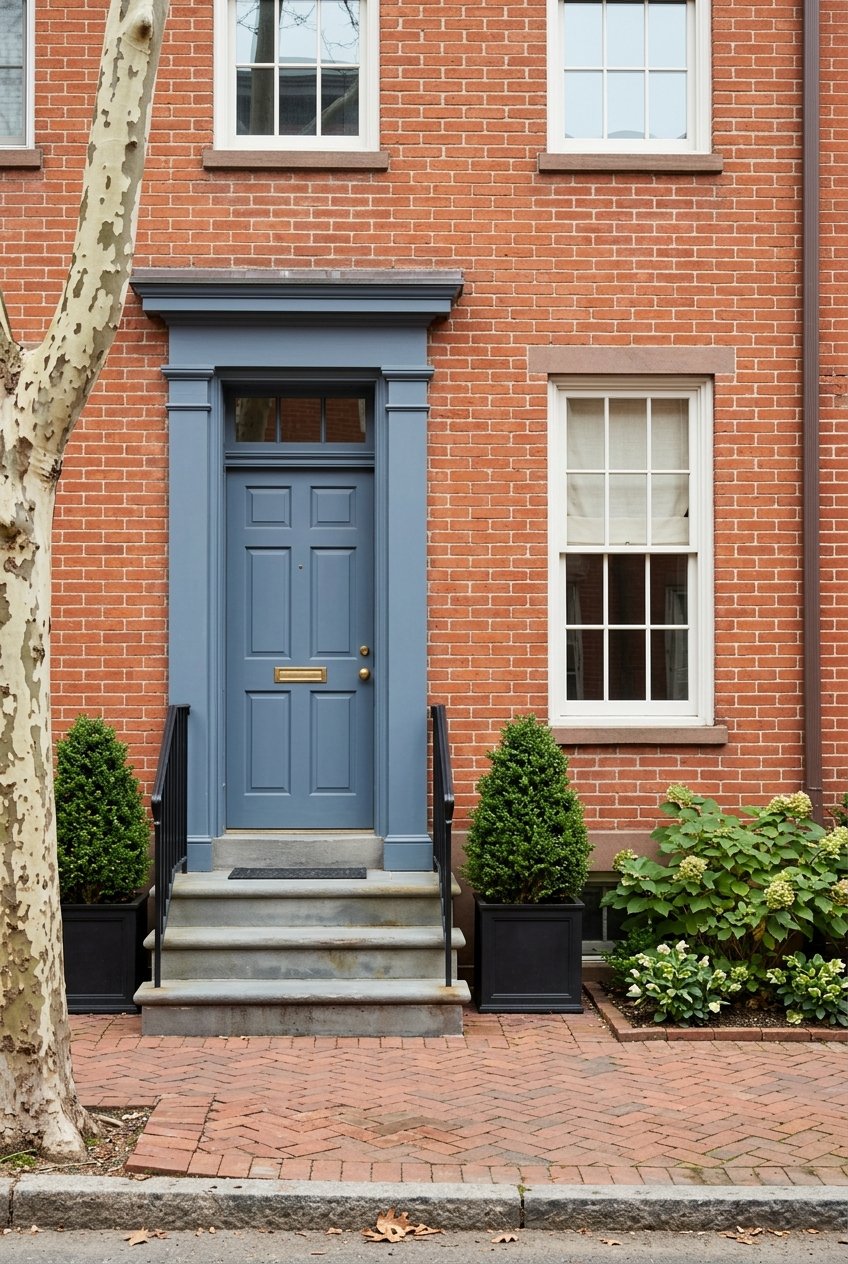
Georgetown rowhouses fit naturally into the neighborhood’s historic fabric. The area includes homes dating back as early as the 18th century, along with modest row houses and larger historic residences on a compact, walkable street grid.
For many buyers, the appeal is emotional as much as practical. A rowhouse can offer a stronger connection to Georgetown’s architecture, more separation from neighbors than a typical condo, and a sense that you are living in a true city home rather than just a unit in a larger building.
Rowhouse Benefits To Consider
If you are drawn to a rowhouse, you may value:
- A more private, house-like setup
- Direct control over your own living space
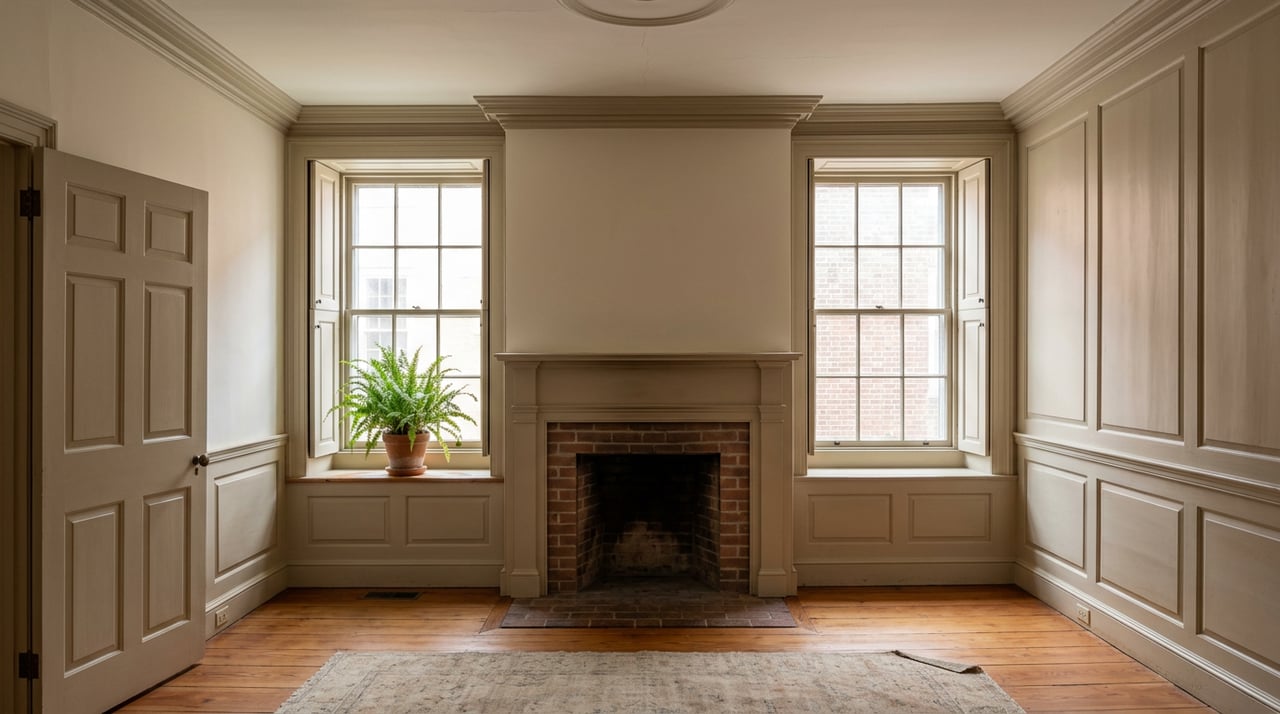
- Historic character and architectural detail
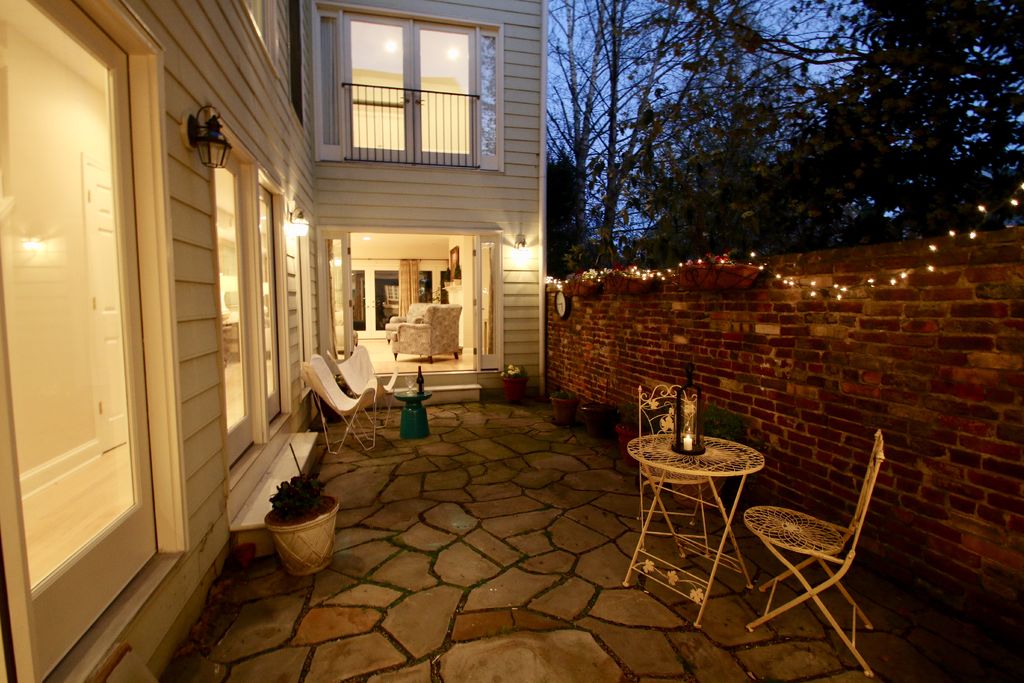
- A stronger indoor-outdoor connection, depending on the property
- Fewer association-style rules inside the home itself
For buyers who want charm and independence, that can be a very appealing package.
Rowhouse Responsibilities To Expect
The tradeoff is that ownership is often more hands-on. In DC, most building and site construction requires a permit, and historic properties may need preservation review when work affects the exterior appearance.
In Georgetown, many exterior changes visible from public streets or alleys are reviewed by the Commission of Fine Arts and the Old Georgetown Board. Other exterior work not visible from public space is handled by the Historic Preservation Review Board and Historic Preservation Office.
That matters if you hope to update a façade, replace visible exterior elements, or change outdoor frontage. Public-space permits can also be required for features such as front patios, fences, planter boxes, and other structures between the property line and the curb.
In practical terms, a rowhouse can offer more autonomy in some ways, but it is rarely a fully carefree ownership experience.
Why Buyers Choose Georgetown Condos
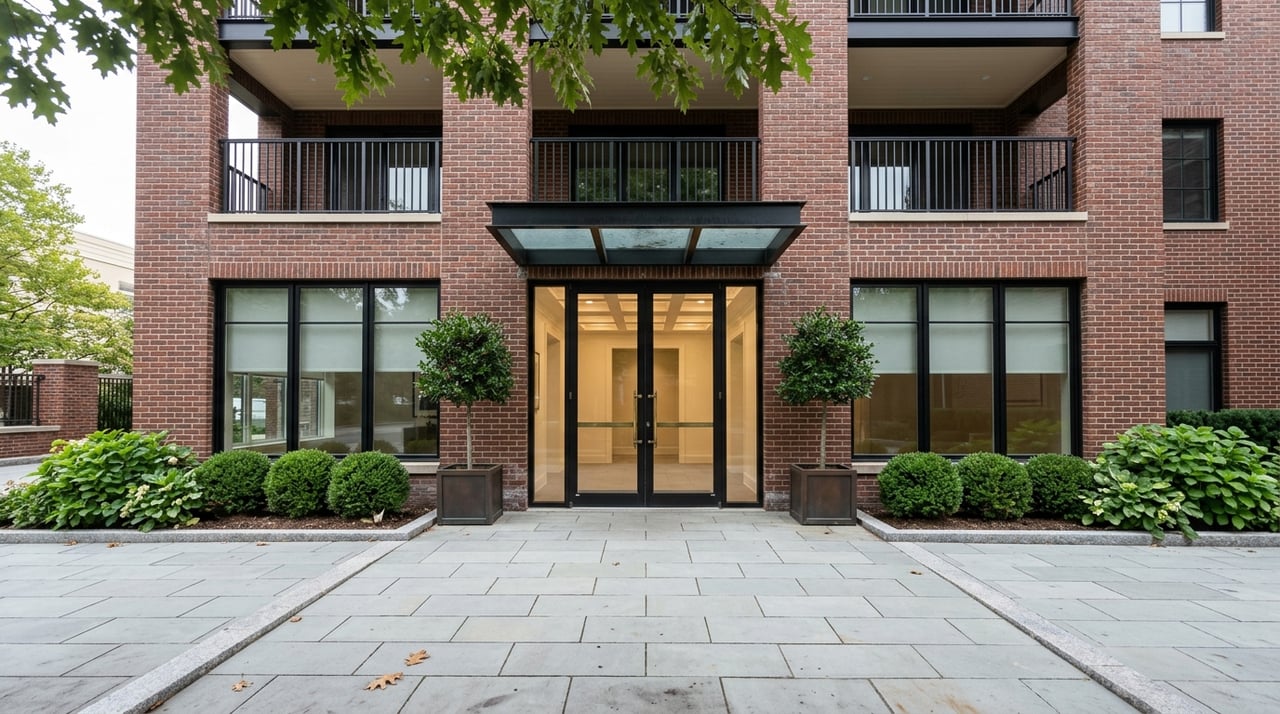
For many buyers, condos are appealing because they shift a large share of maintenance away from the individual owner. Under DC law, the unit owners’ association is responsible for maintenance, repair, renovation, restoration, and replacement of the common elements, while the individual owner is responsible for the unit itself.
That can make condo living feel more predictable and less labor-intensive. If you want to spend more time enjoying Georgetown and less time managing building upkeep, a condo may be the easier fit.
Condo Benefits To Consider
A condo may work well for you if you want:
- Less direct responsibility for shared building systems
- A more turnkey ownership experience
- Shared costs for common elements
- Simpler day-to-day maintenance
- A lifestyle that prioritizes convenience
This can be especially attractive for first-time buyers, busy professionals, or relocators who want a smoother transition into the neighborhood.
Condo Costs And Limits
Convenience comes with tradeoffs too. Monthly condo or HOA dues are typically paid separately from the mortgage, and they can range from a few hundred dollars a month to more than $1,000 a month.
That means you should compare total monthly carrying cost, not just purchase price. A condo with a lower sticker price may still feel more expensive month to month once dues are included.
You also need to understand what you are truly responsible for. DC consumer guidance notes that condo owners are generally responsible for the interior walls and floors of their unit, and some associations may assess owners for certain building damage. Reviewing bylaws and insurance requirements before you buy is an important step.
How Historic Rules Affect Both Options
One of the biggest Georgetown misconceptions is that only rowhouse owners need to think about preservation rules. In reality, Georgetown’s historic designation can affect multiple property types.
The Georgetown Historic District was created in 1950 and was the first historic district in Washington. Because of that framework, exterior work may still be subject to review depending on where the property is located and what is visible from public space.
If you are buying in Georgetown, it is smart to ask early what changes need approval before work begins. This applies whether you are considering a classic rowhouse, a condo in a historic structure, or a newer attached home.
Where Newer Townhomes Fit In
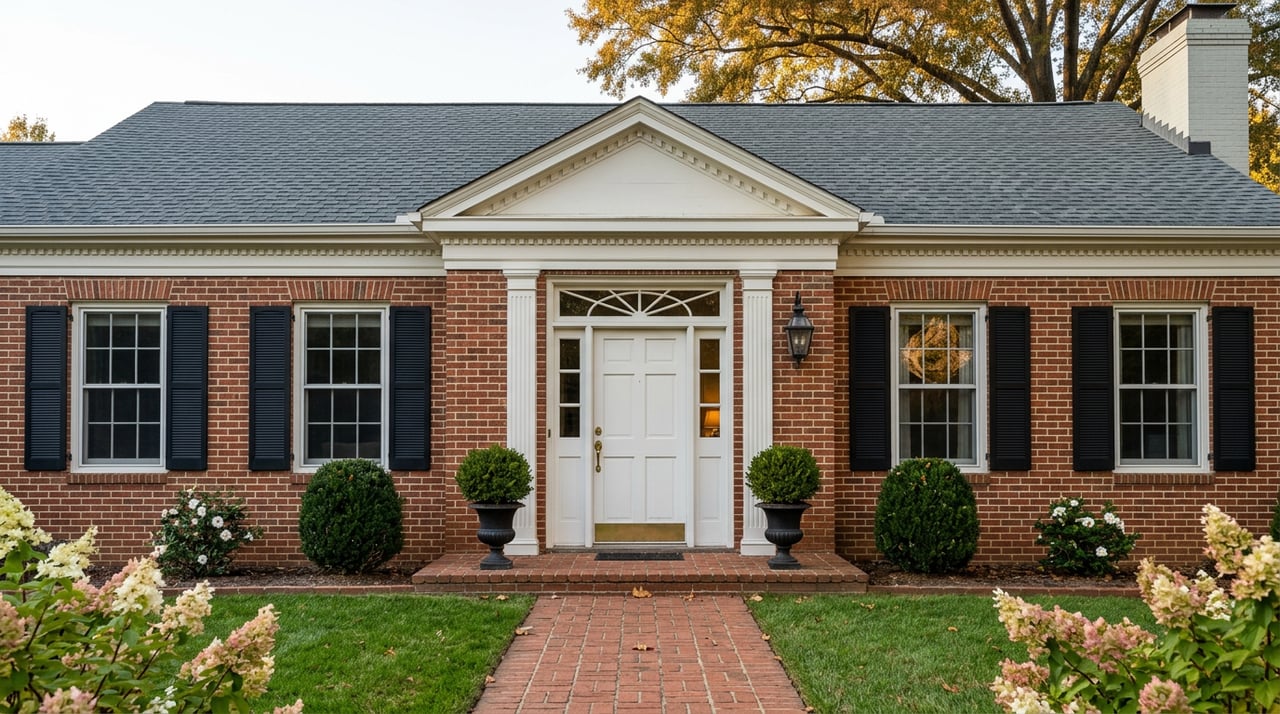
Some buyers see a newer townhome as the perfect middle ground. In some cases, that is true. A newer attached home may offer a more updated interior or a layout that feels easier for modern living.
Still, it is not a clean escape from Georgetown’s rules. Visible exterior work can still be subject to review, and if the property is part of a managed community, there may also be association-style rules or monthly dues.
The key question is whether the home functions more like a fee-simple house or more like a condo alternative. You will want to confirm who maintains the roof, façade, windows, and outdoor areas, and whether approvals are required before making exterior changes.
How To Decide What Fits Your Lifestyle
If you are torn between a rowhouse and a condo, focus on how you want ownership to feel. Georgetown offers strong lifestyle assets across the board, including the waterfront, canal, parks, shops, and restaurants. The real difference is how much upkeep, privacy, and oversight you want built into your housing choice.
A Rowhouse May Be Better If You Want
- A more independent, house-like experience
- Historic architecture and a stronger sense of ownership control
- Potential private outdoor space
- Fewer shared walls or common spaces than a larger condo building
- Willingness to manage maintenance and approval processes
A Condo May Be Better If You Want
- Less direct maintenance responsibility
- A more lock-and-leave lifestyle
- Shared management of common elements
- Greater month-to-month predictability on building upkeep
- Comfort with dues, bylaws, and association oversight
Questions To Ask Before You Buy In Georgetown
No matter which style you prefer, a few questions can save you time and stress.
- Is the home in the Georgetown Historic District?
- Which exterior changes require review or approval?
- Who handles roof, façade, window, and structural maintenance?
- Are there monthly condo or HOA dues?
- What do those dues cover?
- Are dues paid separately from the mortgage?
- How much outdoor space do you actually control?
- Does any outdoor feature require a permit or public-space approval?
- How important are walkability, parking, and transit access in your daily routine?
These details can shape both your monthly budget and your long-term satisfaction with the property.
The Best Georgetown Home Style For You
There is no one-size-fits-all answer in Georgetown. A rowhouse may be the right choice if you value character, privacy, and a more traditional city-home feel. A condo may be the better move if you want convenience, shared upkeep, and a more streamlined ownership experience.
The smartest decision usually comes from looking beyond finishes and floor plans. When you understand how maintenance, dues, preservation review, and daily lifestyle all work together, you can choose a Georgetown home that truly fits how you want to live.
If you are comparing Georgetown home styles and want thoughtful, personalized guidance, Jessica Richardson can help you weigh the tradeoffs and find the right fit with clarity and confidence.
FAQs
What is the main difference between a Georgetown rowhouse and condo?
- A Georgetown rowhouse usually offers a more house-like ownership experience with more direct maintenance responsibility, while a condo typically offers shared maintenance through an association but comes with monthly dues and less direct control over common elements.
Do Georgetown rowhouses require historic approval for exterior changes?
- Yes, many Georgetown rowhouses are affected by historic district rules, and exterior work visible from public streets or alleys often requires review before changes are made.
Are condo fees in Georgetown included in the mortgage payment?
- No, condo or HOA dues are typically paid separately from the mortgage, so you should factor them into your full monthly housing cost.
Is a newer Georgetown townhome exempt from historic district rules?
- No, a newer townhome is not automatically exempt, and visible exterior work may still require review depending on the property and location.
What should Georgetown buyers ask about maintenance responsibilities?
- Buyers should ask who is responsible for the roof, façade, windows, structural components, and outdoor areas, because those responsibilities can differ significantly between rowhouses, condos, and managed townhome communities.
Is Georgetown convenient for transit and parking?
- Georgetown does not have its own Metrorail station, but two stations are within walking distance, and the neighborhood also has more than 3,800 parking spaces across garages and lots.