Thinking about relocating to Capitol Hill for work? It is easy to focus on the short commute and iconic setting, but daily life here depends a lot on the block, the housing type, and how you want to live day to day. If you want a clearer picture of what to expect before you rent or buy, this guide will walk you through Capitol Hill housing, commuting, and lifestyle so you can make a smart move with confidence. Let’s dive in.
Why Capitol Hill Feels Different
Capitol Hill is one of Washington, DC’s oldest and most established residential neighborhoods. It is not just the government campus. The neighborhood includes areas such as Barracks Row, Federal Enclave, Hill East, and Union Station, and your experience can shift noticeably depending on where you land.
That matters when you are relocating for work. A home near Capitol South may support a very different routine than one closer to Union Station or along Barracks Row. In practical terms, Capitol Hill works more like a collection of connected pockets than one uniform neighborhood.
What Housing Looks Like on Capitol Hill
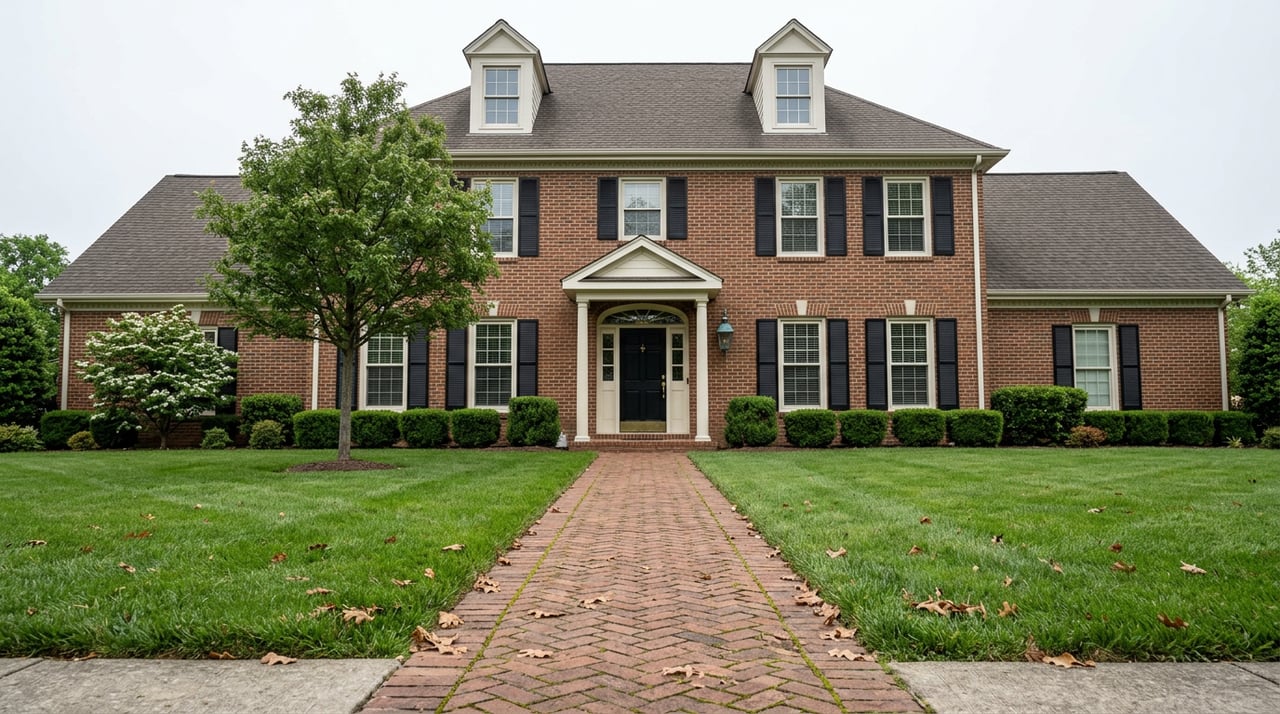
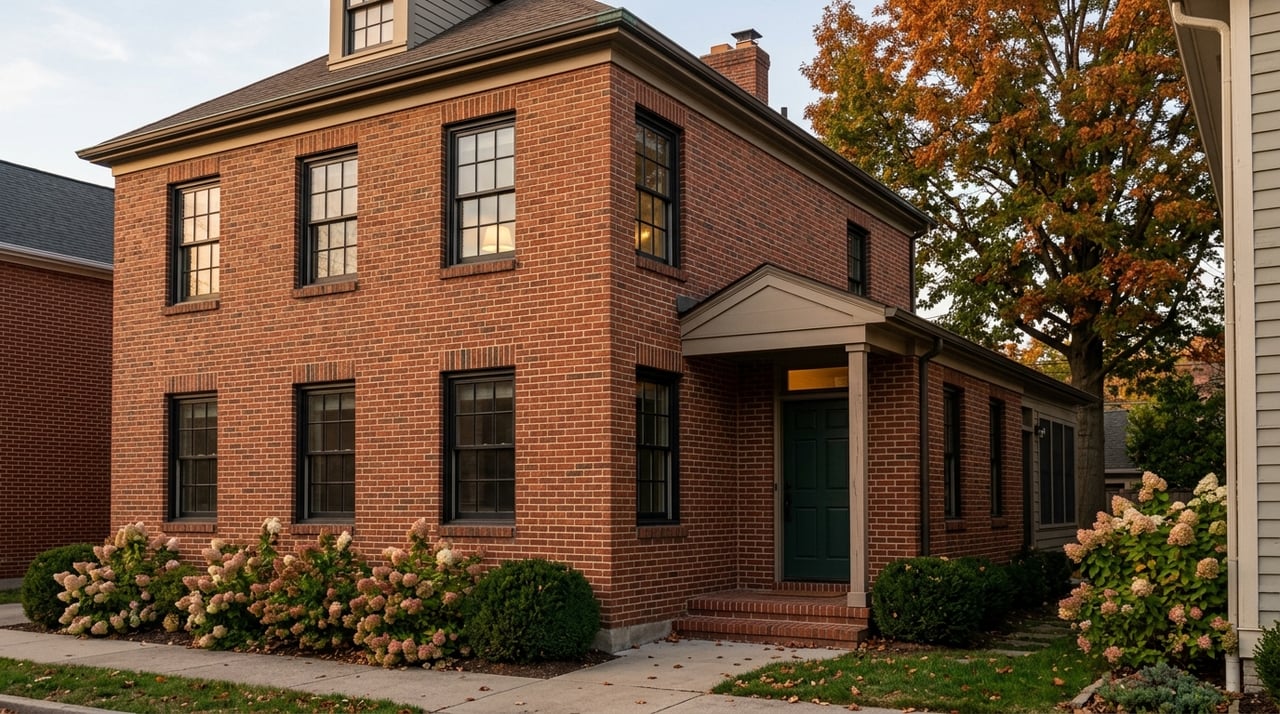
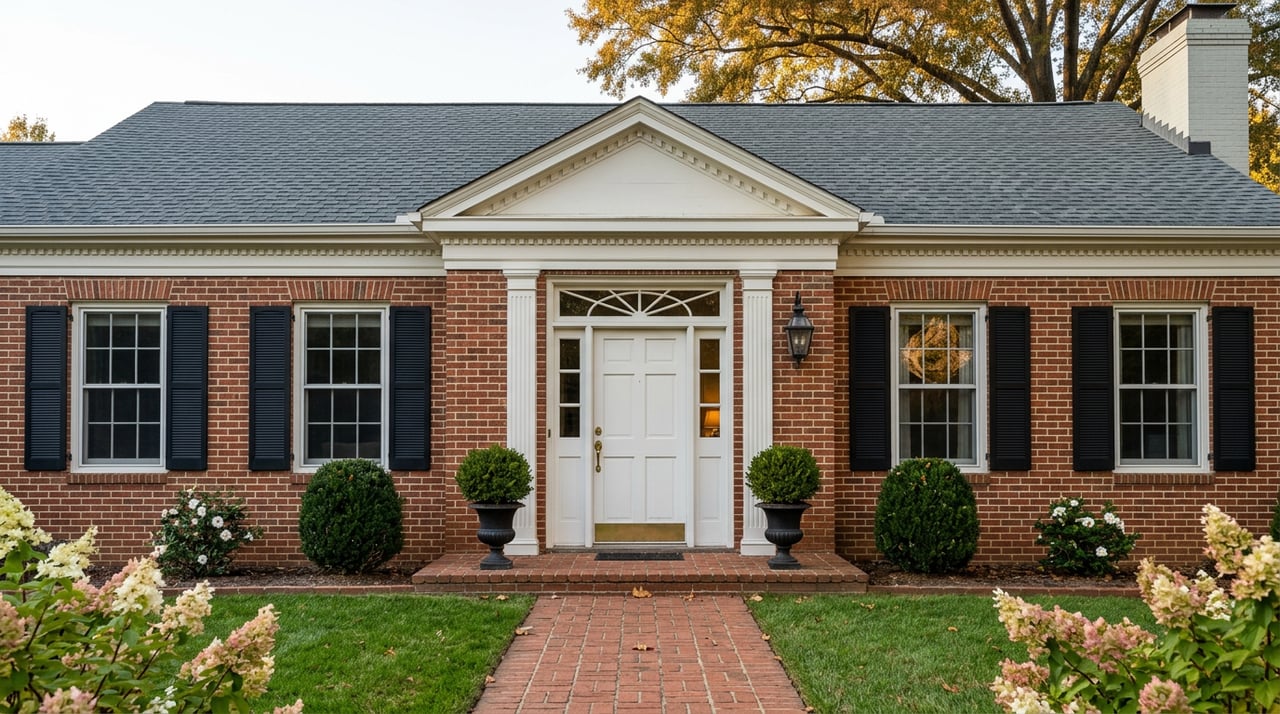
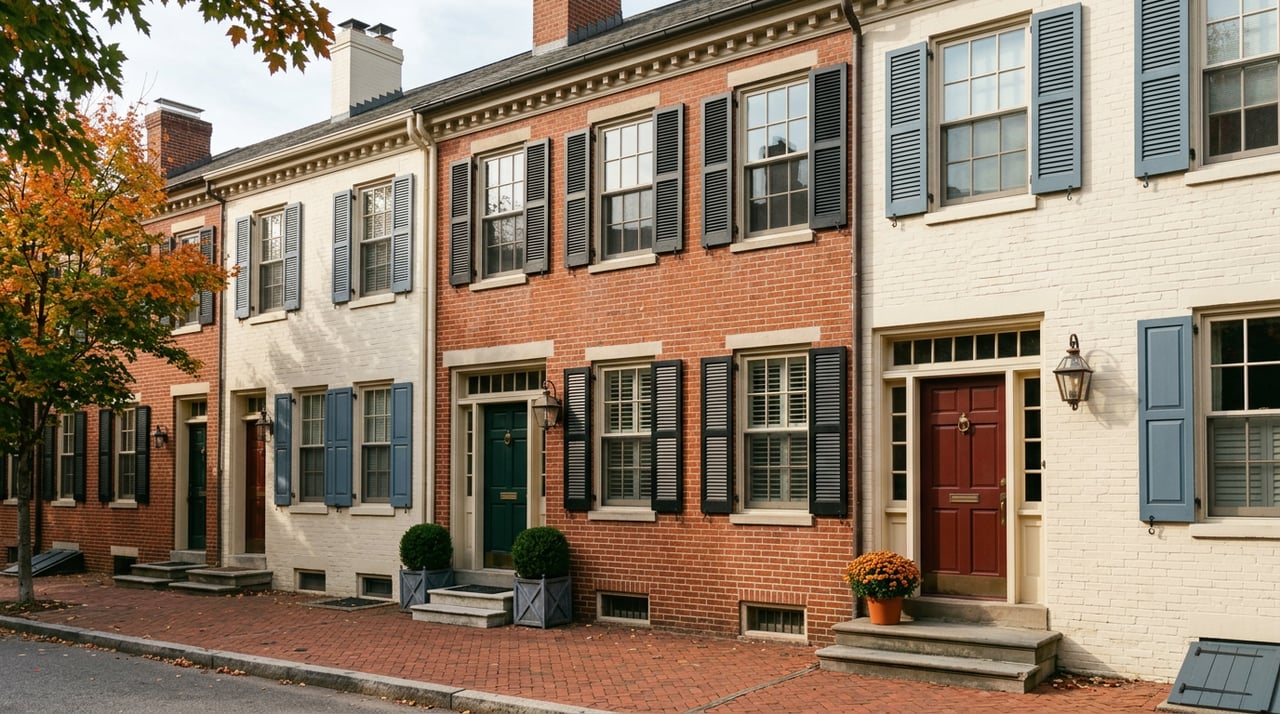
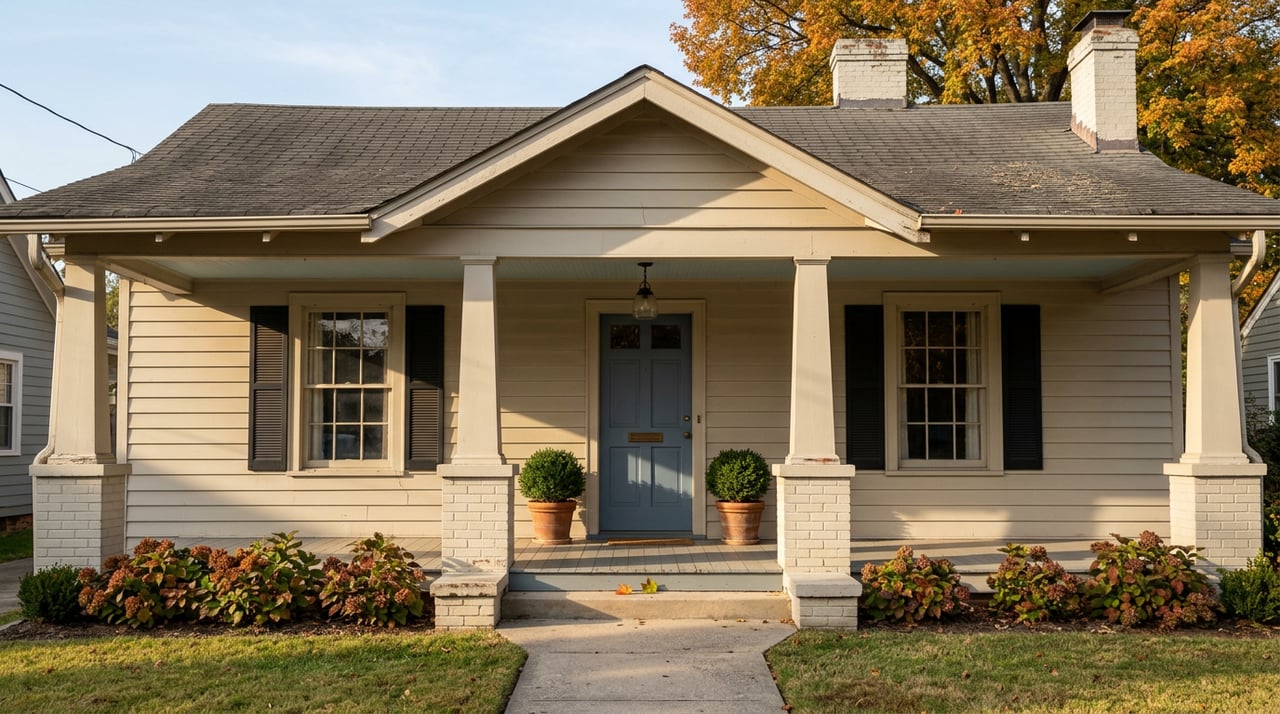
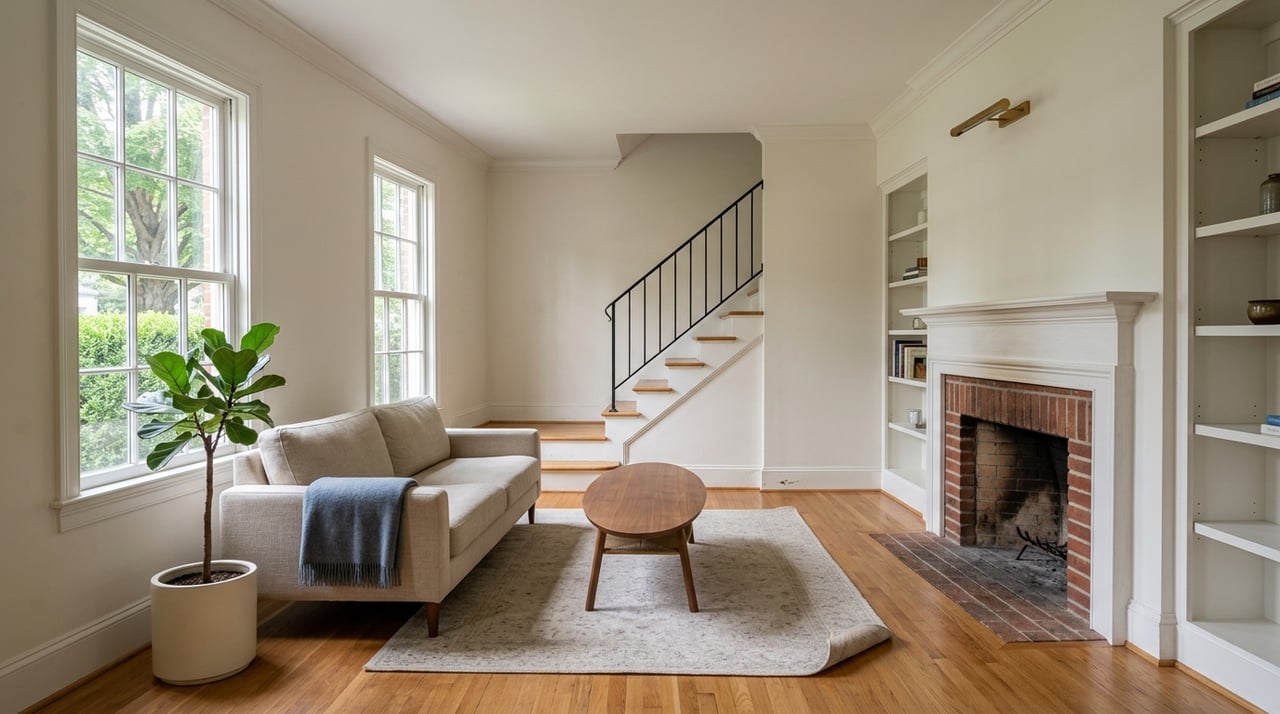
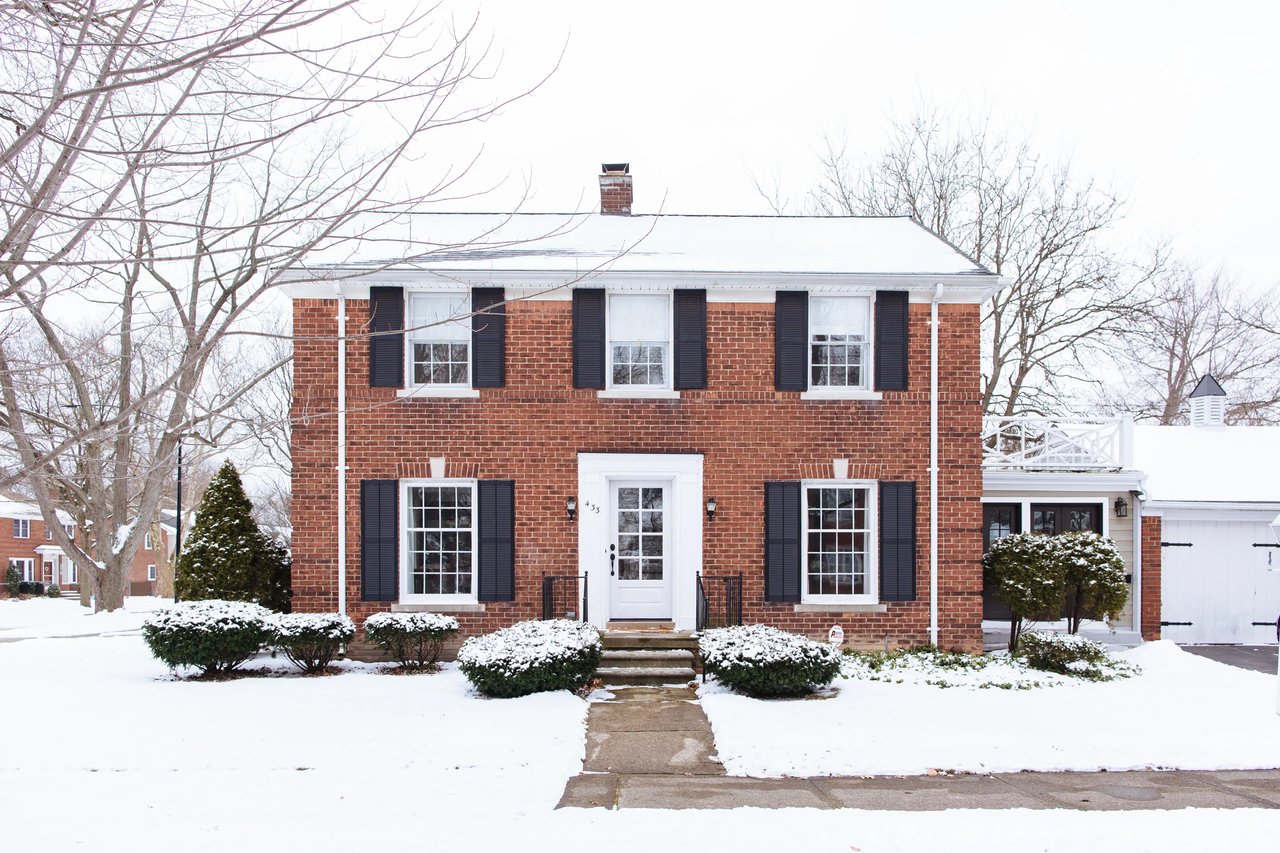
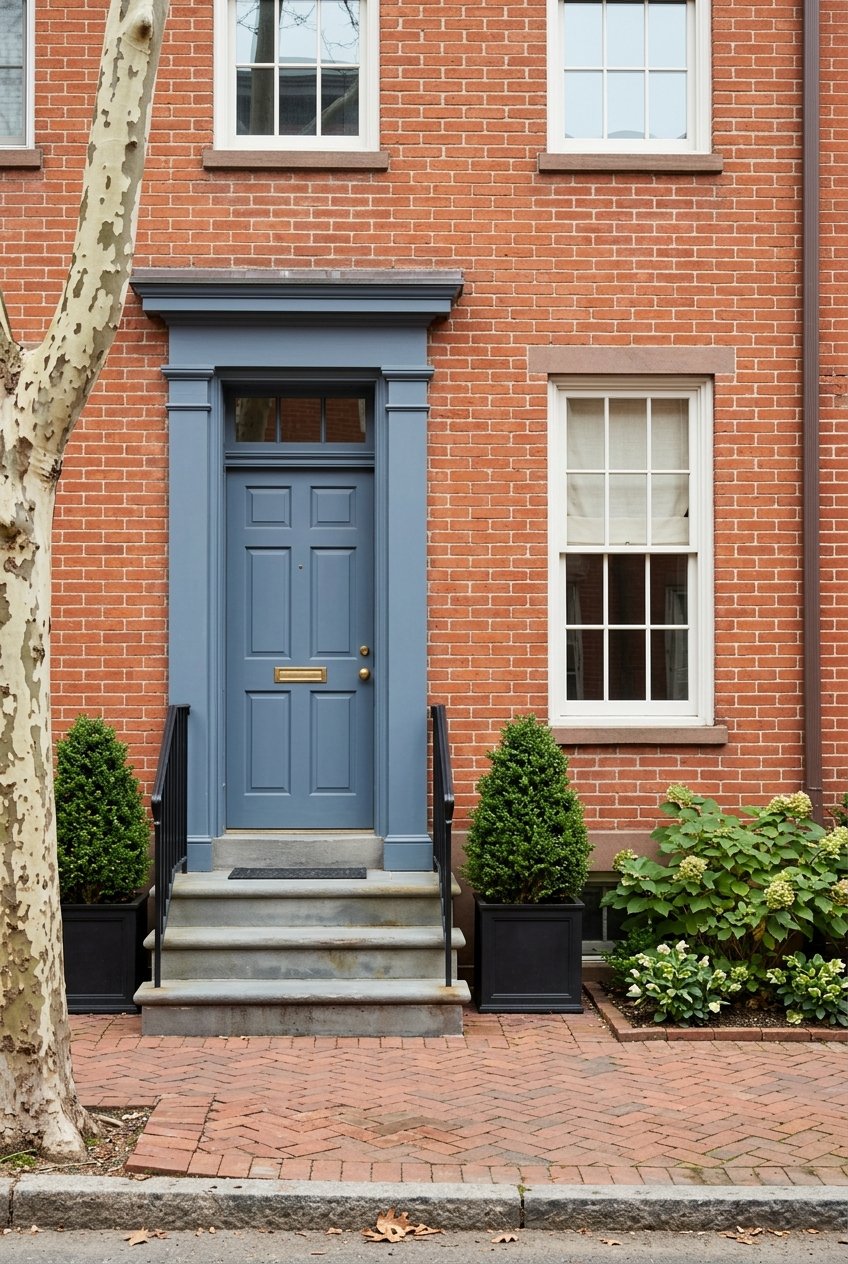
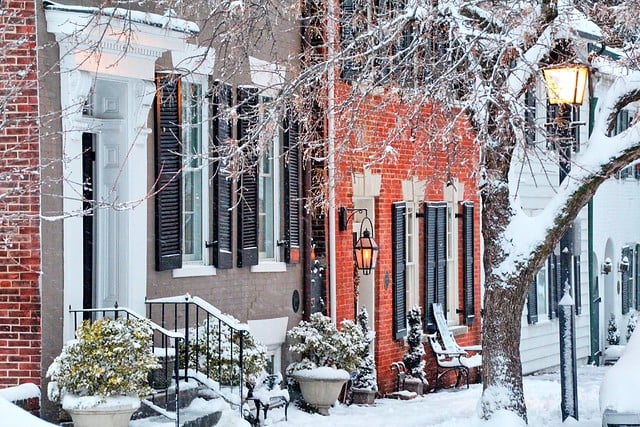
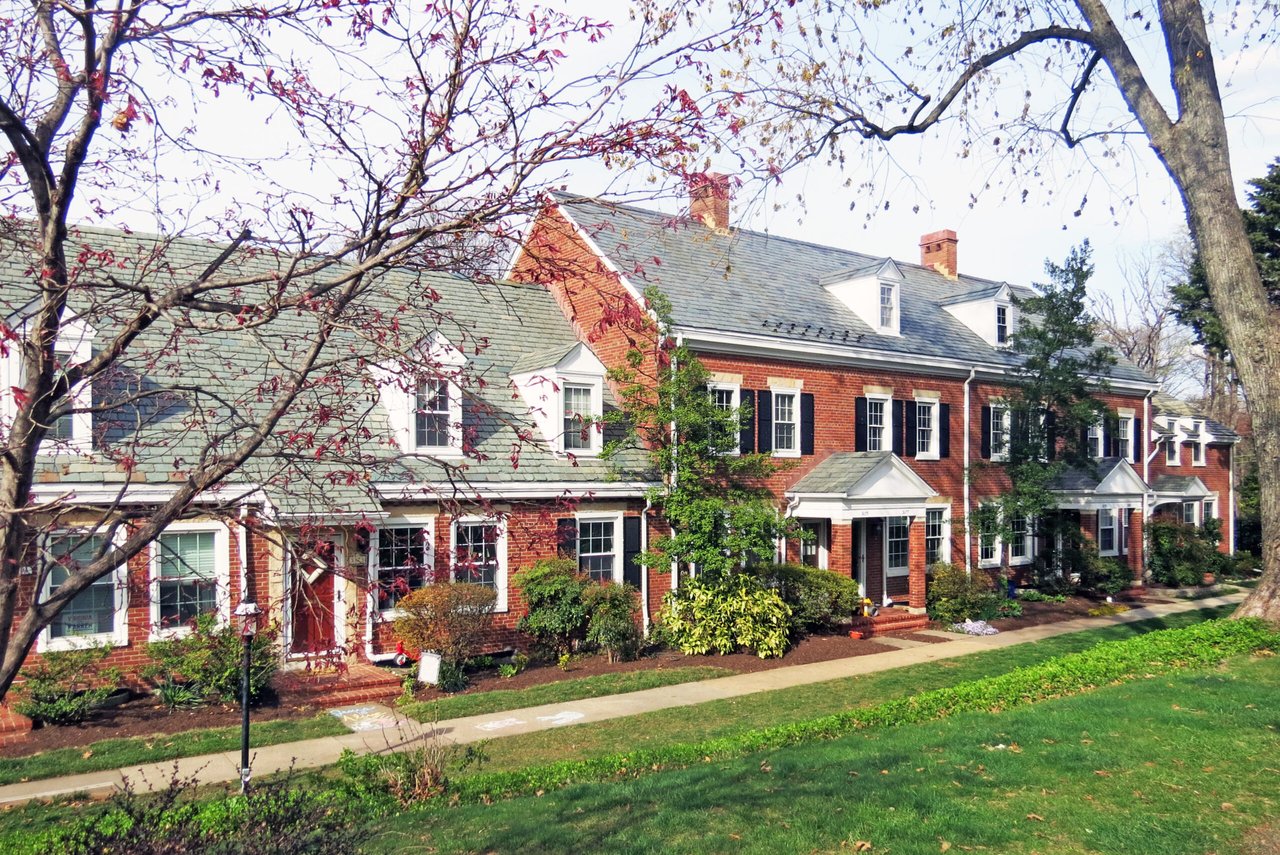
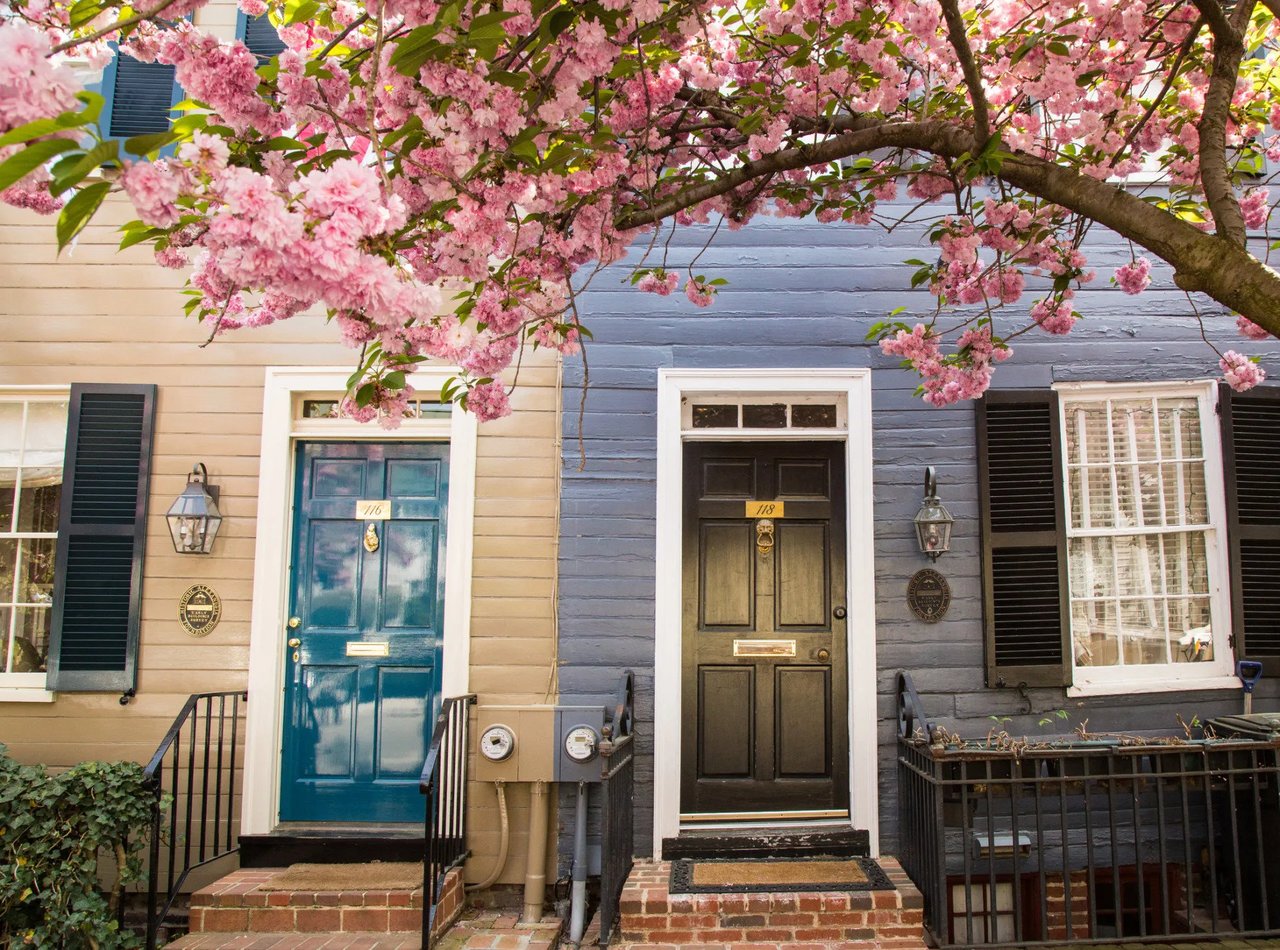
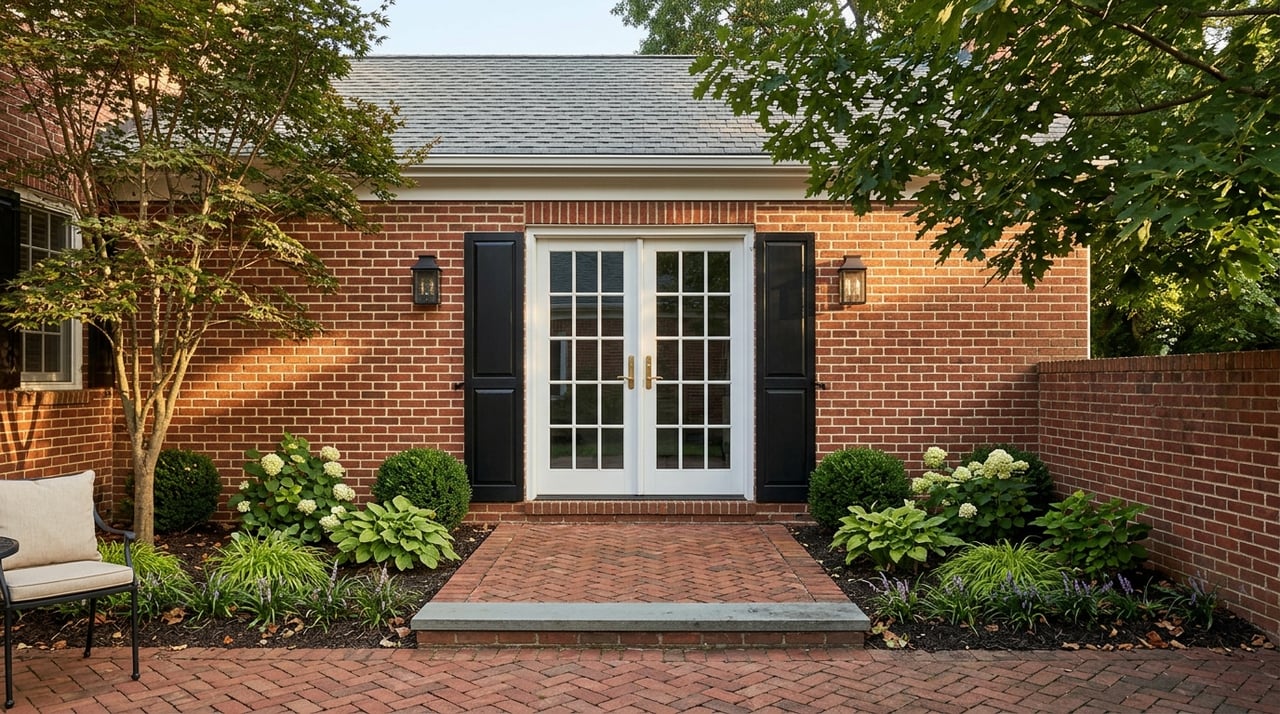
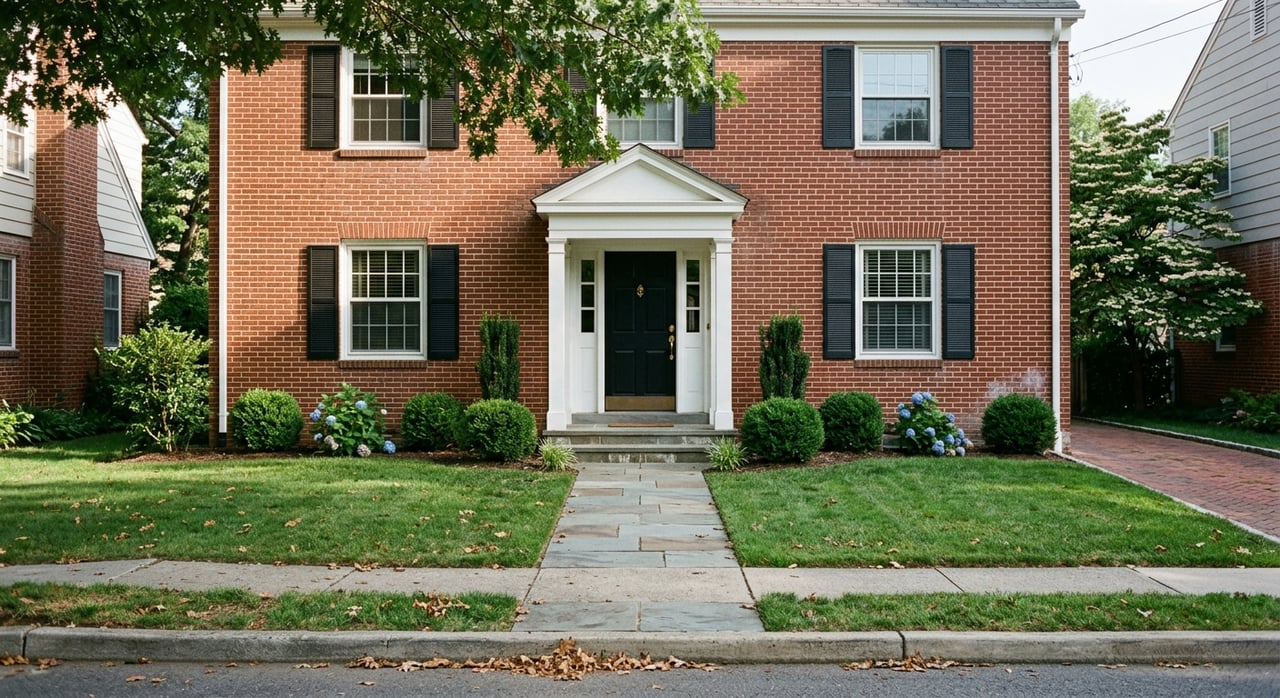
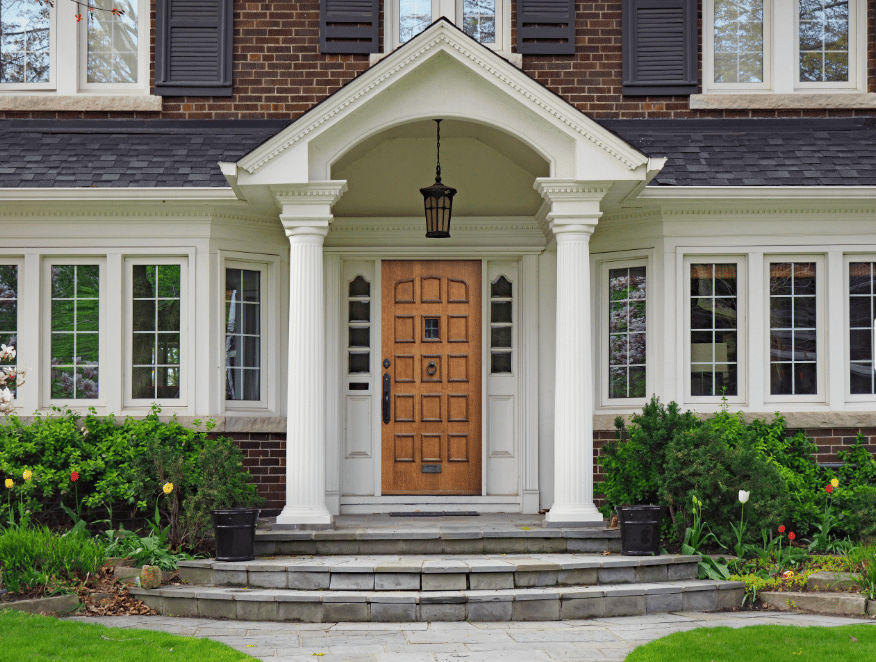
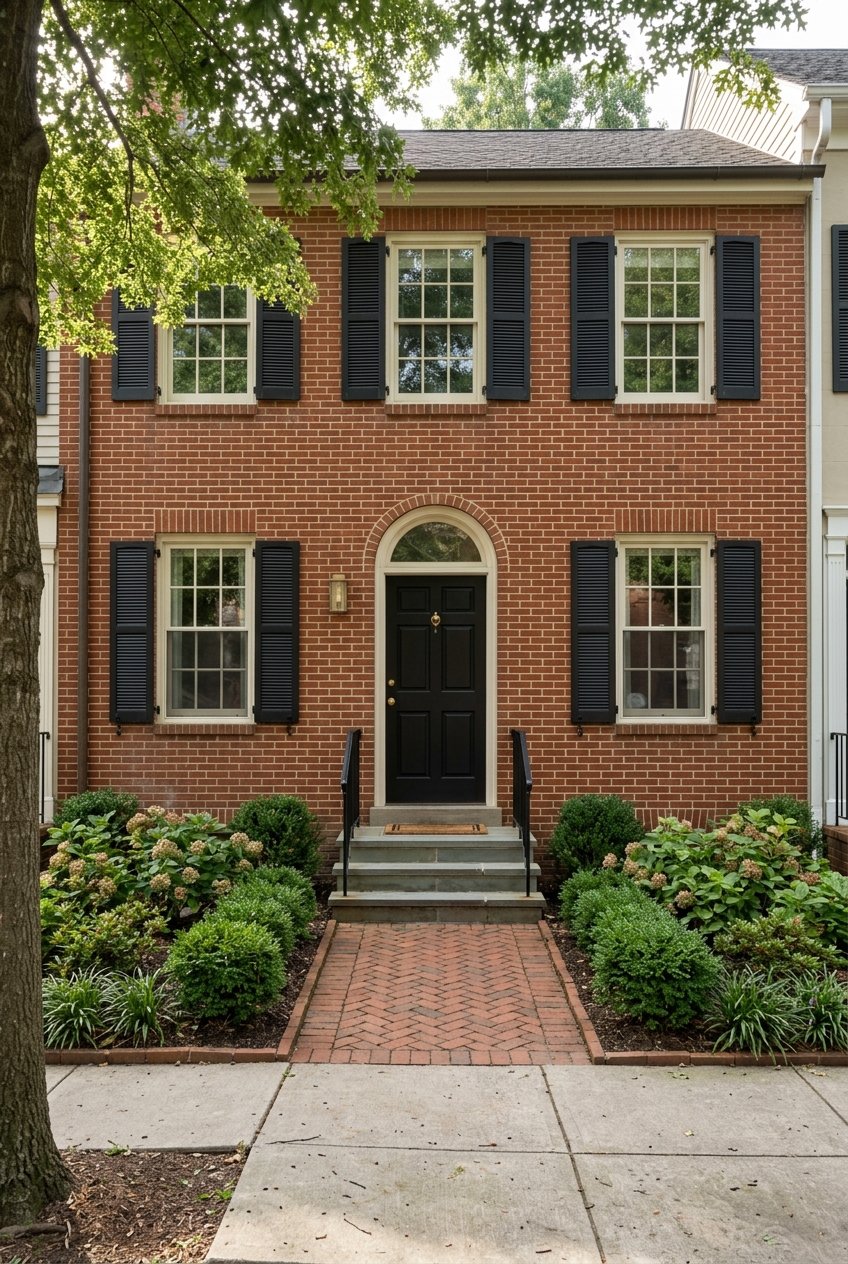
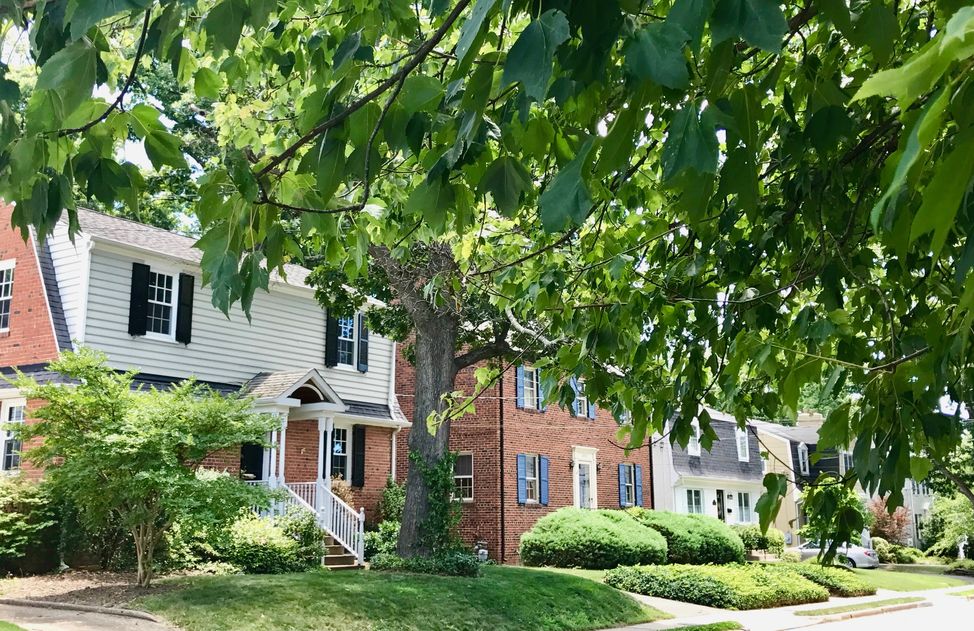
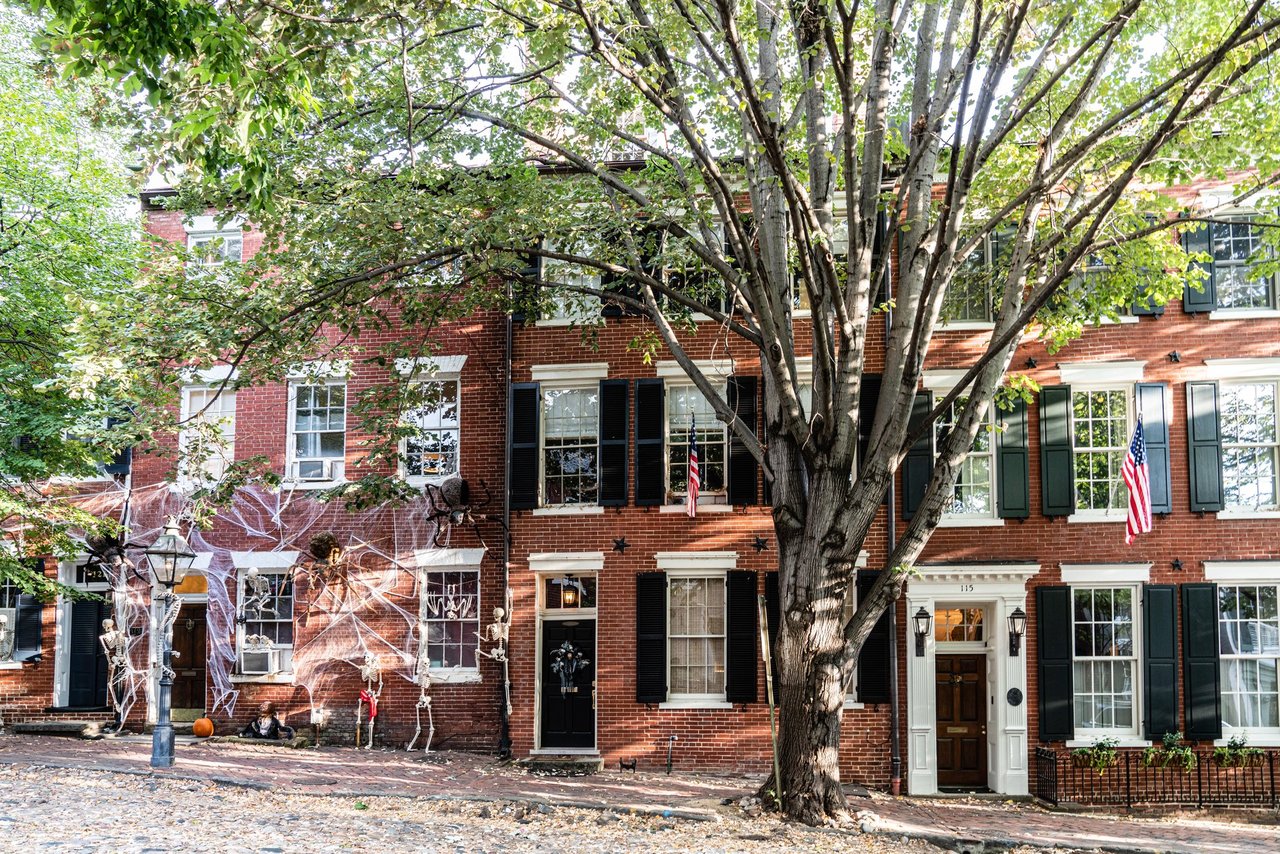
Capitol Hill’s housing stock reflects its long history. You will see late 19th-century rowhouses, early 20th-century apartment buildings, rowhouse flats, condominiums, and conversions that still look like single-family homes from the street.
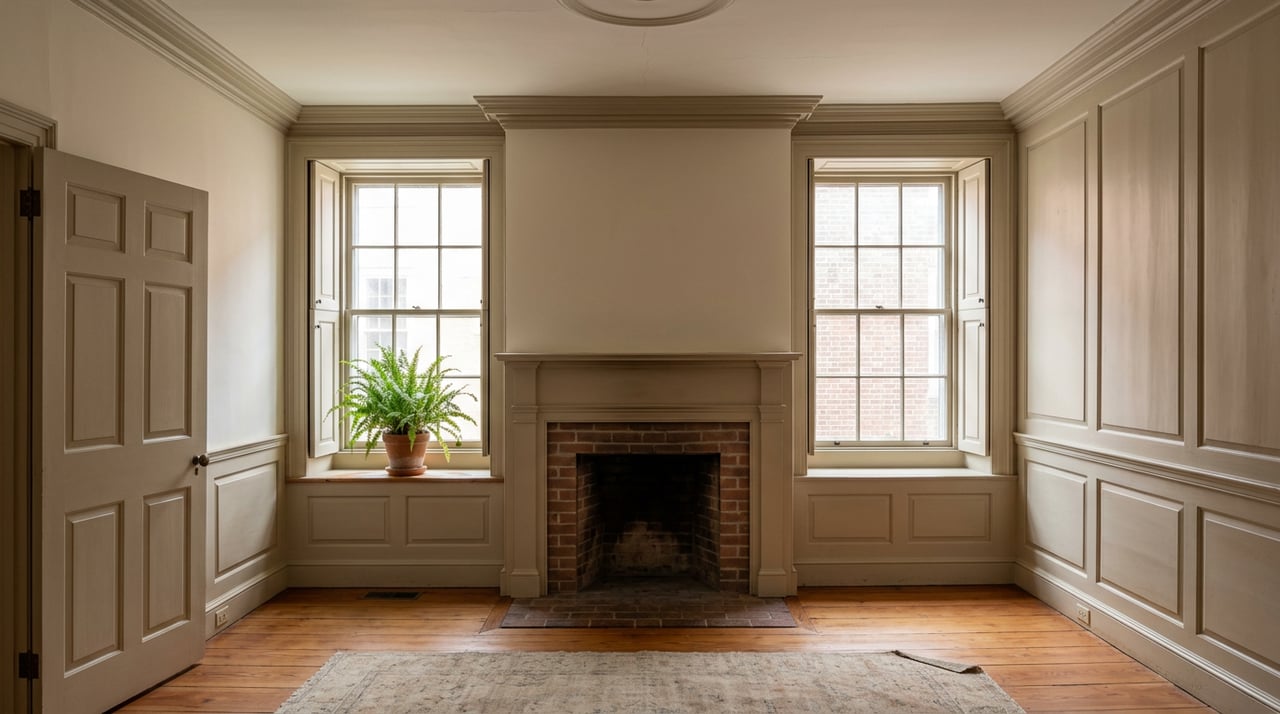
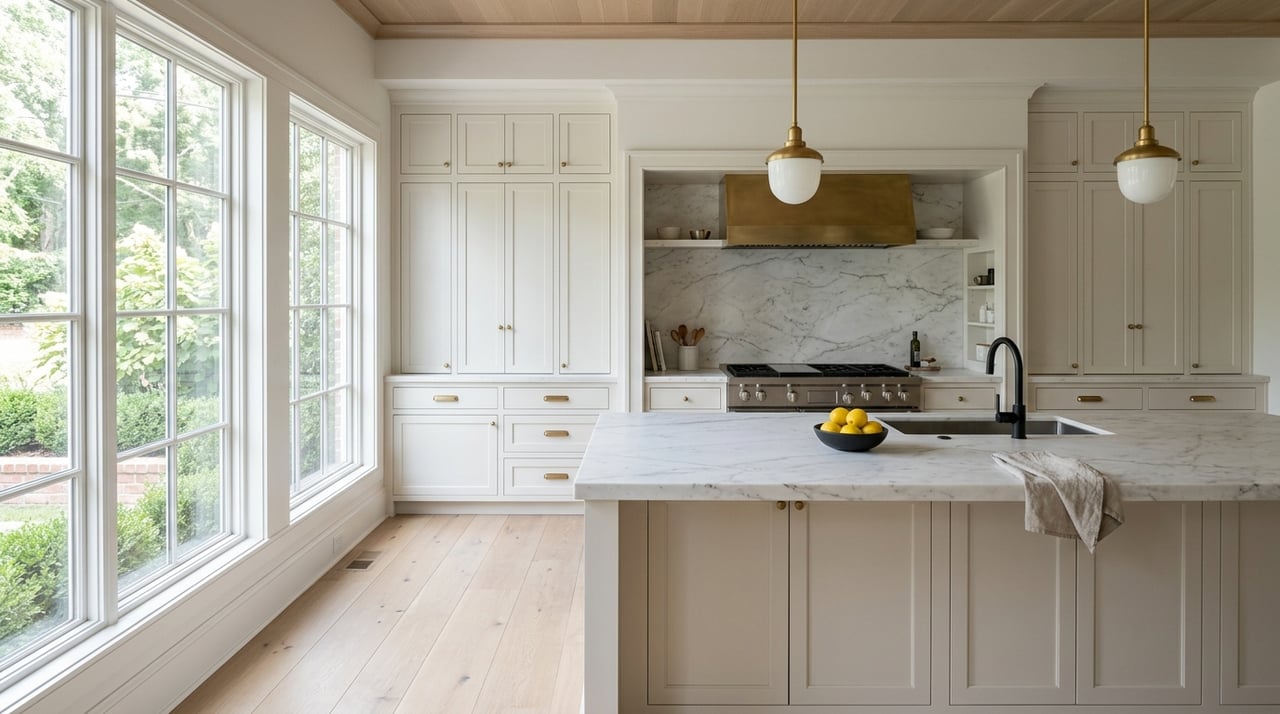
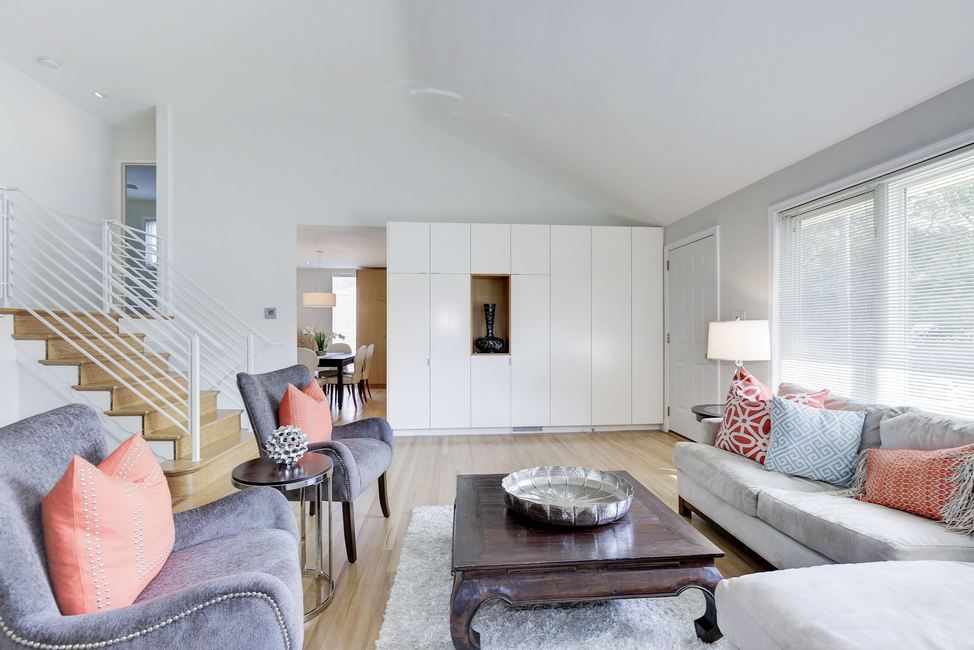
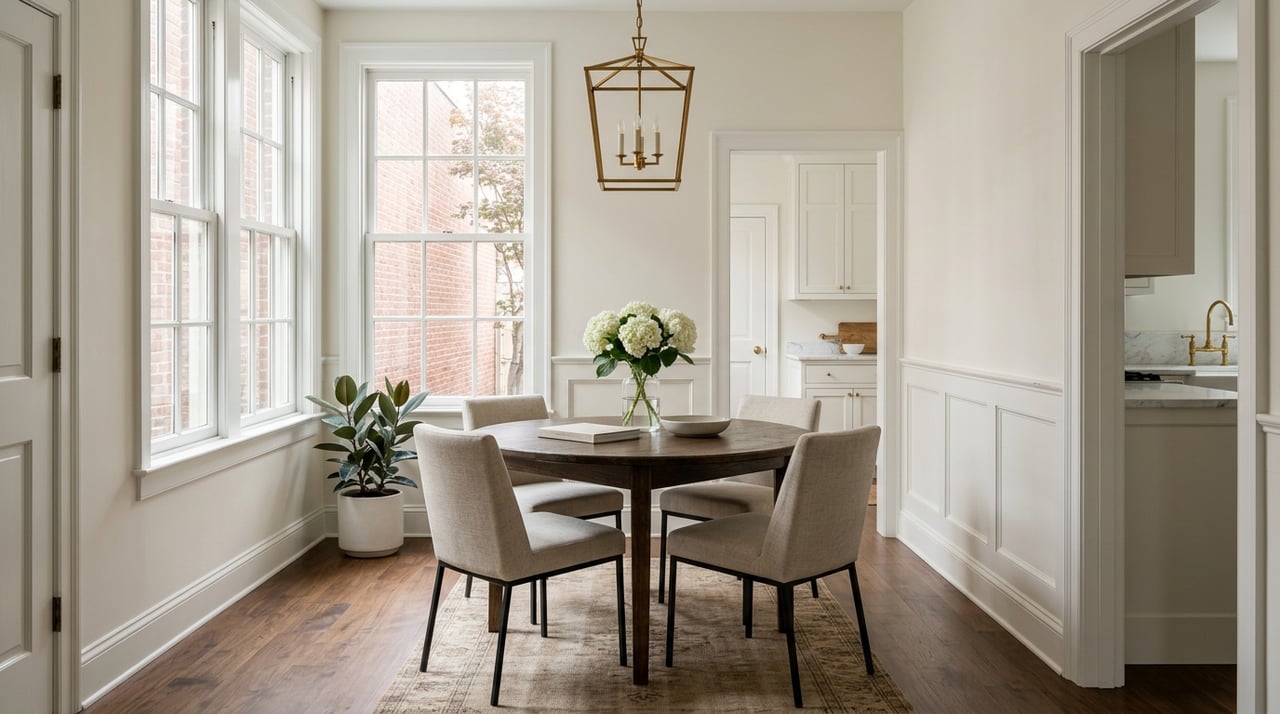
For you as a renter or buyer, that means two homes on the same block can feel surprisingly different inside. One may have a classic layout and older finishes, while another may be fully renovated with a more modern setup. That mix is part of the neighborhood’s appeal, but it also means you need to look closely at each property rather than rely on the label alone.
Rowhouse Apartments and Conversions
A rowhouse apartment in Capitol Hill often means a unit inside a historic attached home or a conversion. This can give you neighborhood character without taking on the full upkeep of an entire house.
These homes can be a strong fit if you want charm, walkability, and a more residential feel. At the same time, layouts can vary a lot, and storage, outdoor space, and entry style are not always consistent from one property to the next.
Full Rowhouses and Larger Rentals
If you need more space, whole-home rentals are usually full rowhouses rather than detached houses. Because attached housing dominates Capitol Hill, larger rentals tend to be less common than apartments or condo rentals.
That smaller supply can matter if you are moving on a work deadline. If you want a turnkey rowhouse or a larger updated rental, it helps to be prepared to act quickly when the right option appears.
Capitol Hill Housing Costs and Competition
Capitol Hill is an active housing market, not a slow one. Public market snapshots from May 2026 showed a median sale price of $925,114, while another source reported a median listing price of $716,500, a median rent of $2,800, and homes selling around asking on average. The exact numbers differ by source and method, but the overall picture is consistent: well-positioned homes can attract real attention.
Some homes also receive multiple offers, especially if they are renovated or especially well located. For a relocation move, that means timing matters. If you are trying to line up a lease start, a closing date, or a fast move for a new job, planning ahead can reduce stress.
Apartment Rent Snapshot
A July 2026 rent snapshot for Capitol Hill showed average apartment rents of:
- Studio: about $1,736
- One-bedroom: about $2,247
- Two-bedroom: about $3,489
- Three-bedroom: about $6,325
These figures are useful as a general benchmark. Still, actual pricing can move based on building type, renovation level, outdoor space, and exact location within Capitol Hill.
Historic District Rules Buyers Should Know
Capitol Hill’s historic character is a big part of its appeal, but it can also affect your plans if you buy. Because much of the neighborhood sits within a historic district, exterior work on historic properties can require an added review process.
According to DC preservation guidance, exterior changes such as major additions, visible roof decks, front alterations, new window or door openings, and new curb cuts may require Historic Preservation Review Board scrutiny. Building permits for exterior work on historic properties also require preservation review.
That does not mean every project is difficult. Interior changes are generally exempt from preservation review unless they involve a specially designated historic interior, and some minor work may be handled through an expedited process. If you are considering a purchase with renovation plans, it is smart to factor this into your timeline early.
Commuting From Capitol Hill
One of Capitol Hill’s biggest strengths for working professionals is how easy it can be to get around. The neighborhood is highly walkable and transit-friendly, with Metro access at Capitol South, Eastern Market, and Union Station.
Capitol South and Eastern Market serve the Blue, Orange, and Silver lines. Union Station adds Red Line service plus Amtrak, MARC, VRE, and bus connections, which can be especially helpful if your work or personal routine takes you beyond DC.
A Car-Light Routine Is Realistic
Capitol Hill scores highly for walkability, transit, and bikeability. Capitol South and Eastern Market do not offer station parking, which reflects how many people in the neighborhood get around on foot, by bike, or by transit instead.
For many professionals, a mostly car-light lifestyle is realistic here. If you work on or near the Hill, you may be able to handle commuting, errands, dining, and weekend plans without relying heavily on a car.
Daily Life Beyond the Office
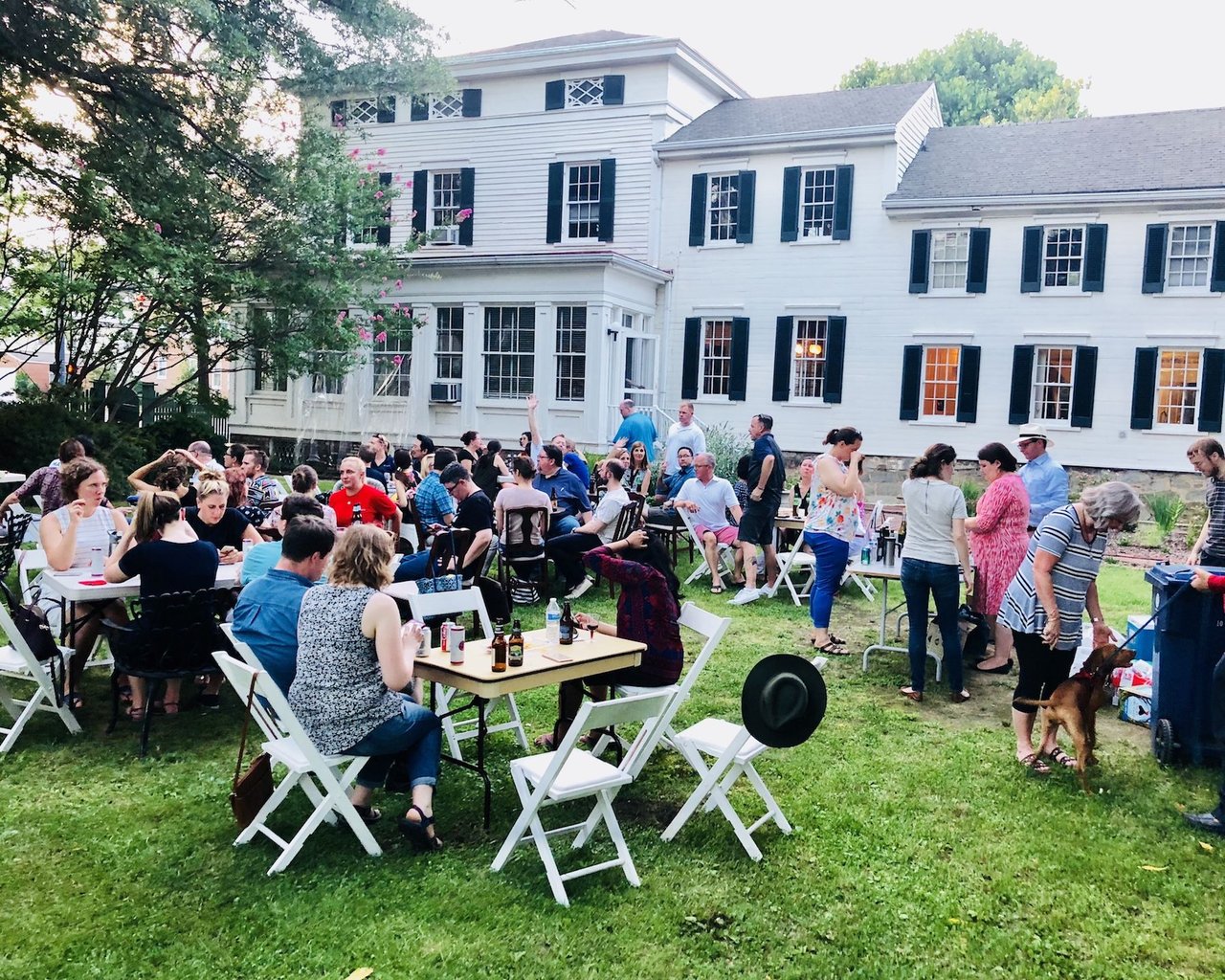
Capitol Hill works well for relocation because it is not just convenient for work. It also supports everyday life in a compact, practical way. You can find dining, errands, open space, and transit access close together.
That kind of convenience often makes a bigger difference than people expect. When you are new to the area, being able to settle into daily routines quickly can make a move feel easier and more grounded.
Eastern Market Adds Everyday Convenience
Eastern Market is one of the neighborhood’s most recognizable destinations, but it is also part of real daily life. The market was completed in 1873 and has operated continuously since then, remaining the only historic public market building in Washington, DC that still serves its original public market function.
Current hours include the indoor market Tuesday through Saturday from 8 a.m. to 6 p.m. and Sunday from 8 a.m. to 5 p.m. Outdoor vendors operate Saturday and Sunday from 9 a.m. to 4 p.m. and Tuesday from 12 p.m. to 4 p.m. For residents, that creates an easy rhythm for weekday errands and weekend browsing.
Barracks Row Offers Dining and Services
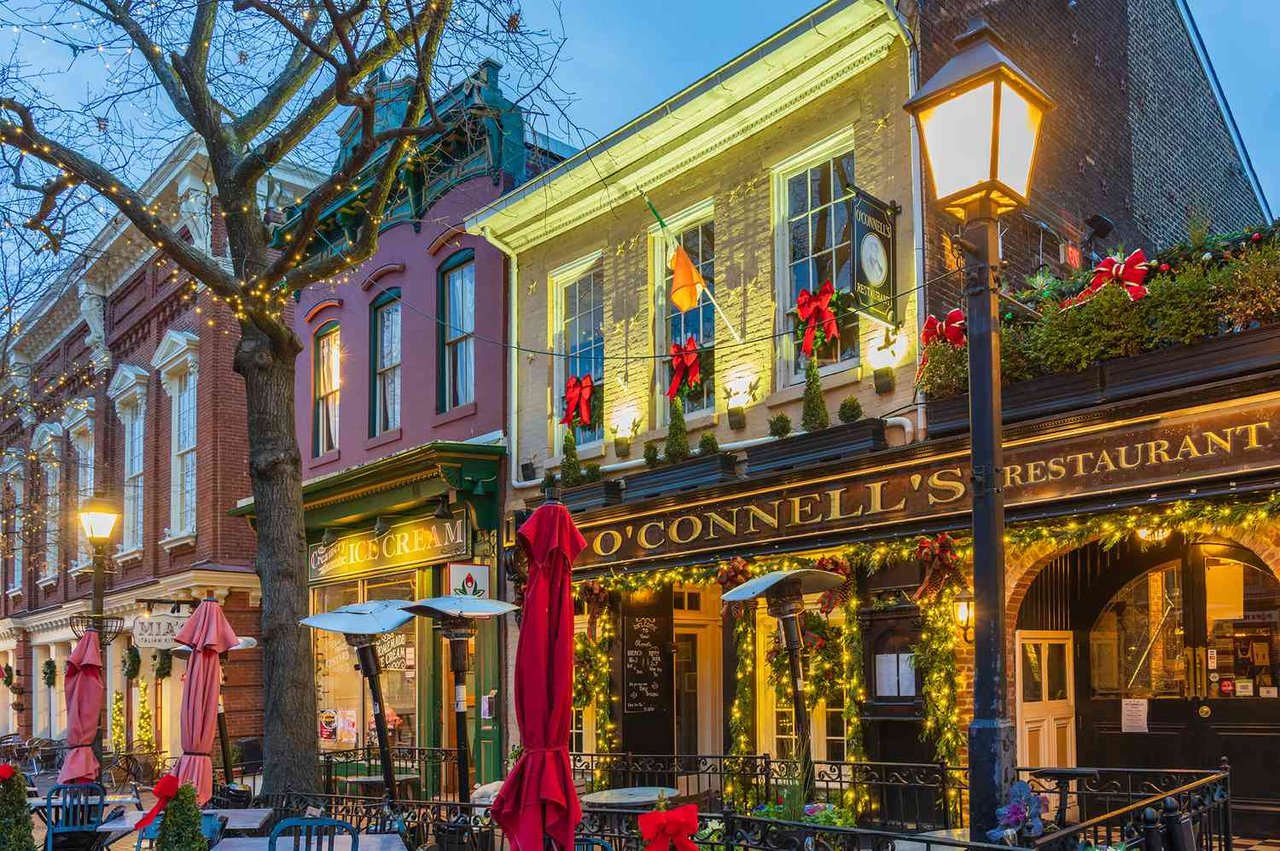
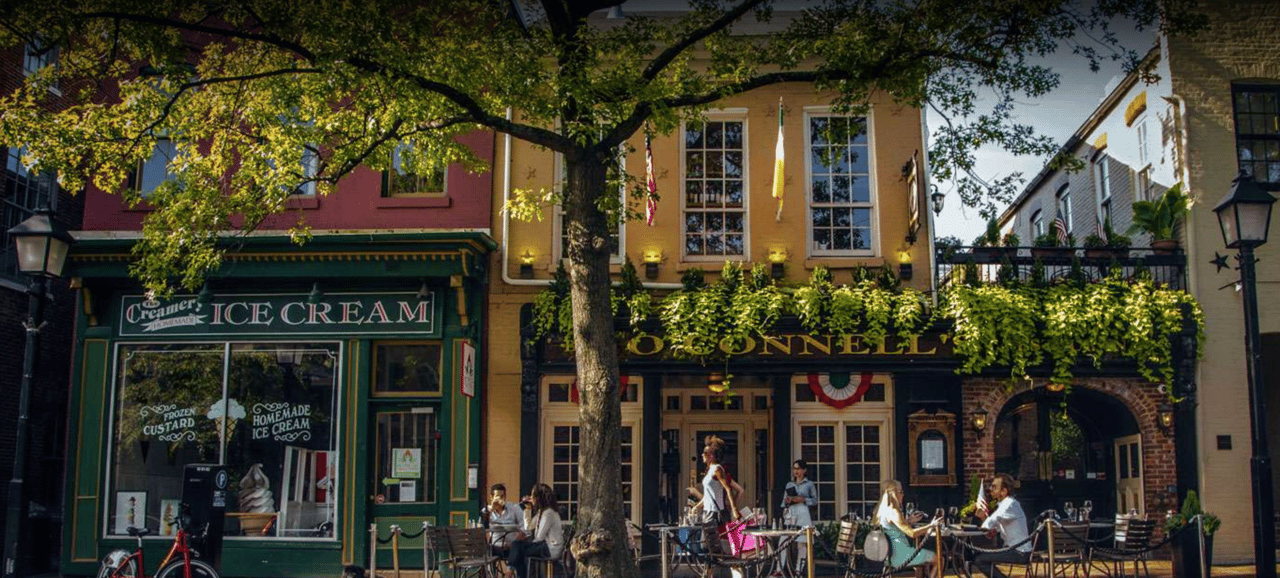
Barracks Row, along 8th Street SE, is the city’s oldest commercial corridor. It includes more than 30 restaurant choices along with local retailers and services, and it hosts events and promotions throughout the year.
If you want a neighborhood where you can step out for dinner, pick up essentials, and feel connected to local activity, this corridor is a major lifestyle advantage. It helps reinforce Capitol Hill’s appeal as a place to live, not just a place to work nearby.
Lincoln Park Brings Green Space Nearby
Lincoln Park is the largest park on Capitol Hill and one of the city’s oldest public parks. It was part of L’Enfant’s original plan and remains an important neighborhood open space.
For many buyers and renters, access to green space matters just as much as commute time. Having a well-known park within the neighborhood adds another layer of balance to everyday life.
How to Choose the Right Capitol Hill Fit
If you are relocating to Capitol Hill for work, your best choice may depend less on the neighborhood name and more on how you plan to live. Your ideal fit could look very different depending on whether you value Metro access first, want more interior space, prefer a lively commercial corridor, or hope to buy something you can update over time.
A thoughtful search usually starts with a few practical questions:
- Do you want to rent first or buy right away?
- How important is a short walk to Metro?
- Are you comfortable with an older home layout?
- Do you want a rowhouse feel or a more standard apartment setup?
- If buying, are you considering any exterior changes?
Those answers can help narrow the right part of Capitol Hill and the right property type. In a neighborhood with so much variation, clarity matters.
What Relocating Professionals Should Keep in Mind
The main Capitol Hill tradeoff is convenience versus complexity. You may gain a shorter commute, strong walkability, and a rich neighborhood feel, but you may also need to move quickly when good inventory appears.
Renters should compare rowhouse apartments, condo rentals, and full-house options carefully because the mix is different from a more suburban rental market. Buyers should pay close attention to layout, renovation quality, and any historic-district review that could affect future plans.
With a relocation move, local guidance can be especially valuable. Understanding block-level differences, timing your move well, and knowing what questions to ask about a specific property can make the process much smoother.
If you are weighing a move to Capitol Hill and want clear, personalized guidance on the housing options and relocation timing, Jessica Richardson can help you navigate the search with a steady, local perspective.
FAQs
What types of homes can you find in Capitol Hill, DC?
- Capitol Hill includes historic rowhouses, rowhouse flats, apartment buildings, condominiums, and converted homes, so housing style and layout can vary a lot from one property to another.
What is the average rent in Capitol Hill for apartments?
- A July 2026 snapshot showed average rents of about $1,736 for studios, $2,247 for one-bedrooms, $3,489 for two-bedrooms, and $6,325 for three-bedrooms.
What is the Capitol Hill housing market like for buyers?
- Public market data from May 2026 points to an active market, with homes selling around asking on average and some properties receiving multiple offers.
What should buyers know about Capitol Hill historic district rules?
- Exterior work on historic properties may require preservation review, while interior work is generally exempt unless it involves a specially designated historic interior.
How easy is commuting from Capitol Hill for work?
- Capitol Hill offers strong Metro access through Capitol South, Eastern Market, and Union Station, along with high walkability and bikeability that support a car-light routine.
What makes daily life in Capitol Hill convenient for relocators?
- Capitol Hill combines transit access, restaurants, services, market shopping, and green space in a compact area, which can make it easier to settle into a new routine quickly.