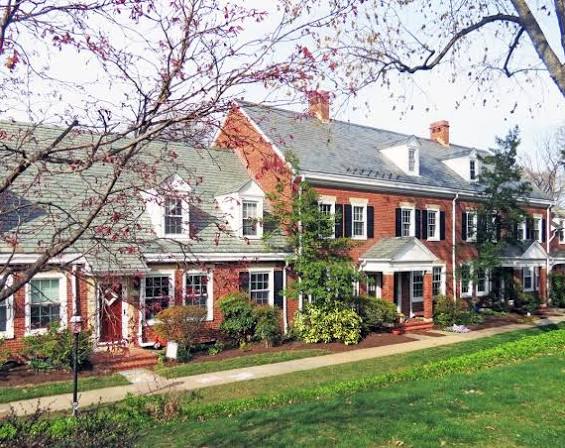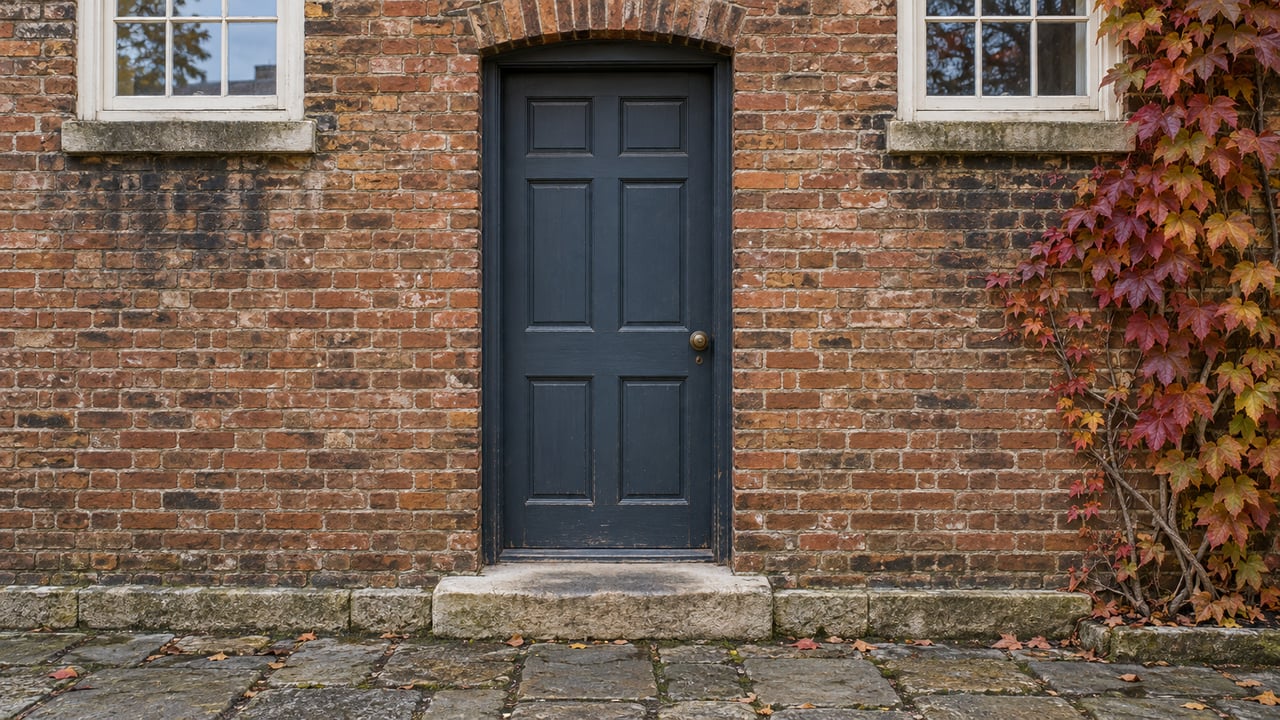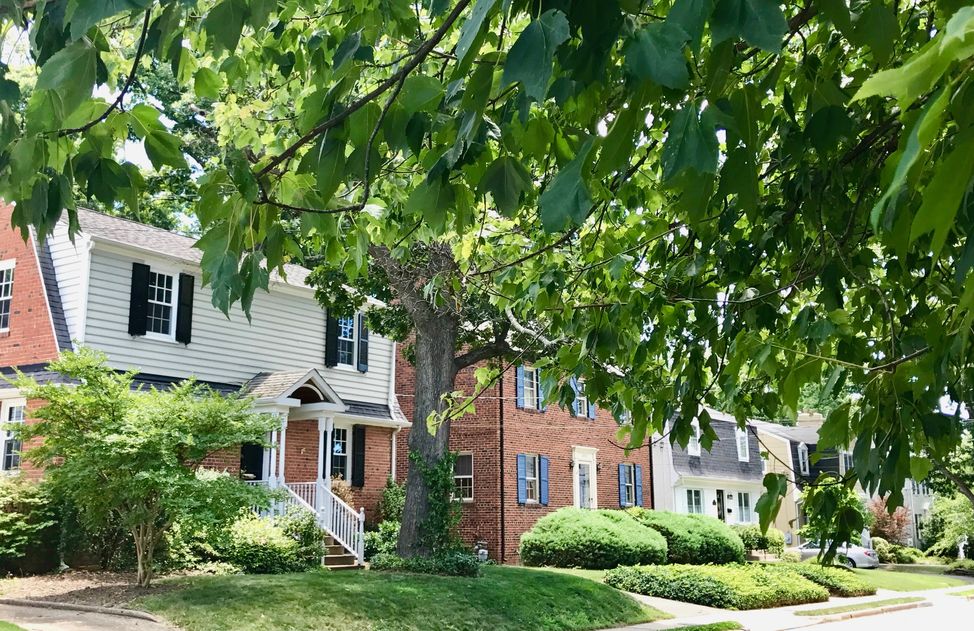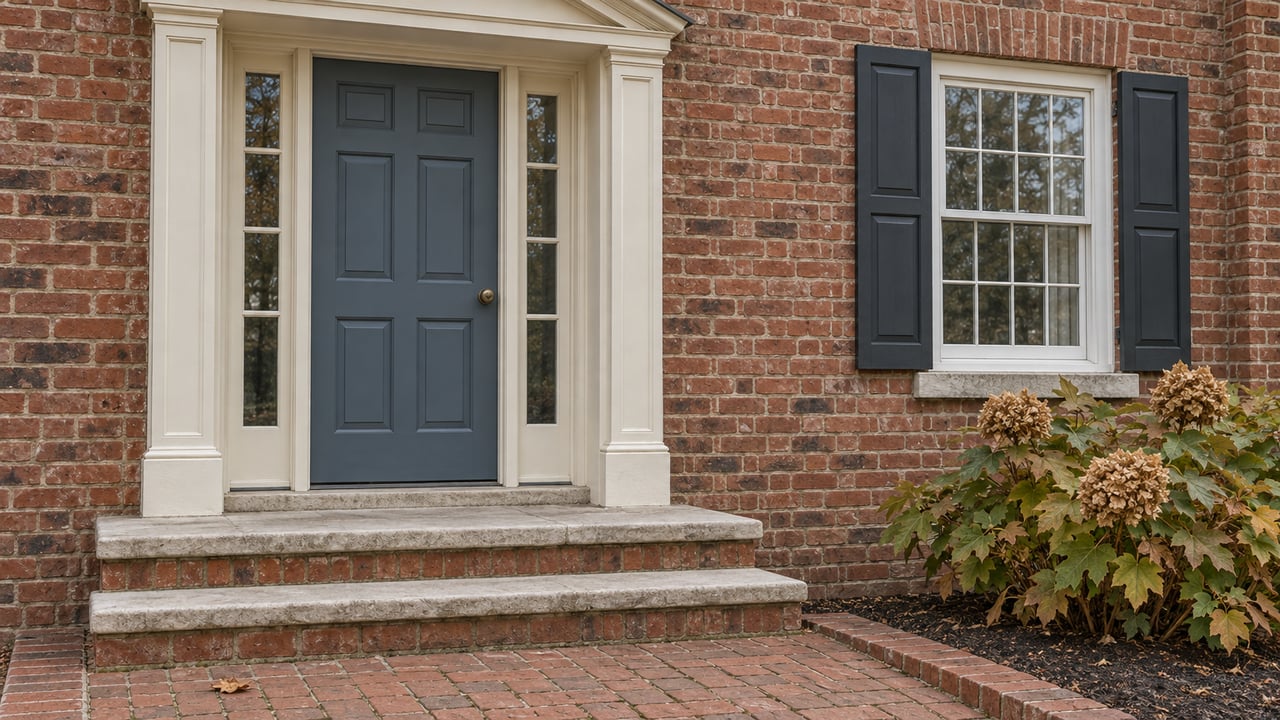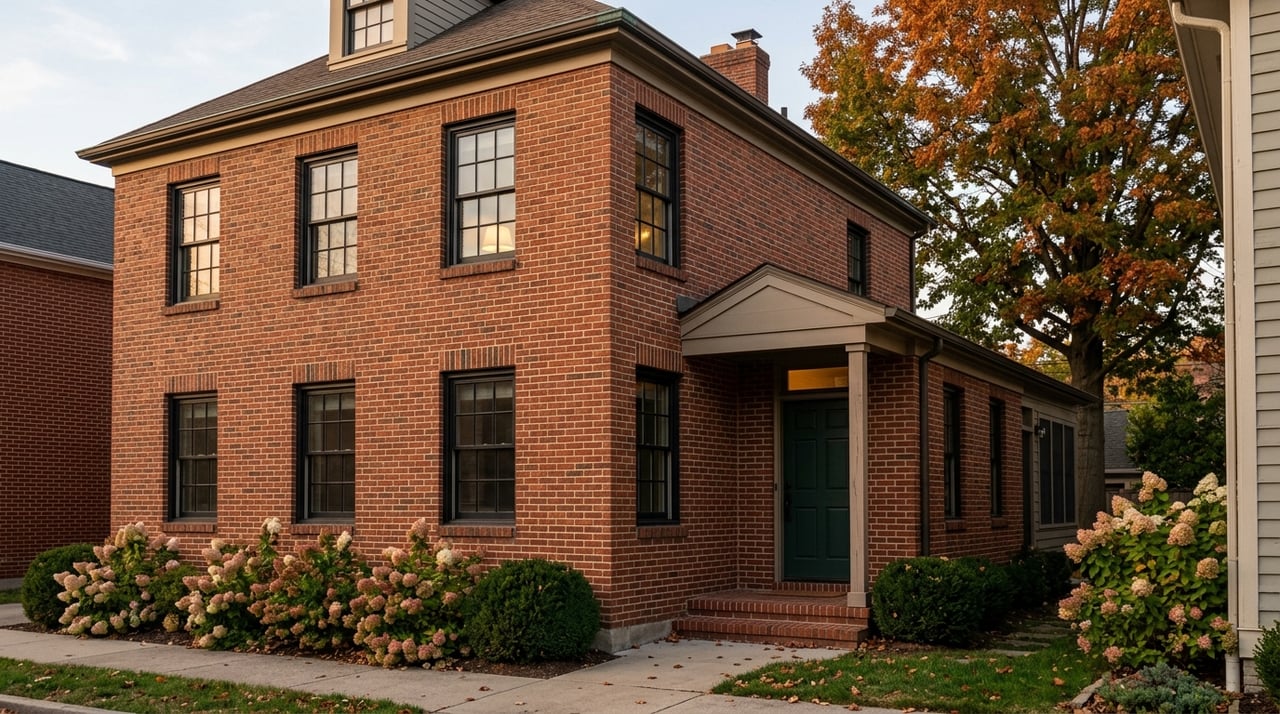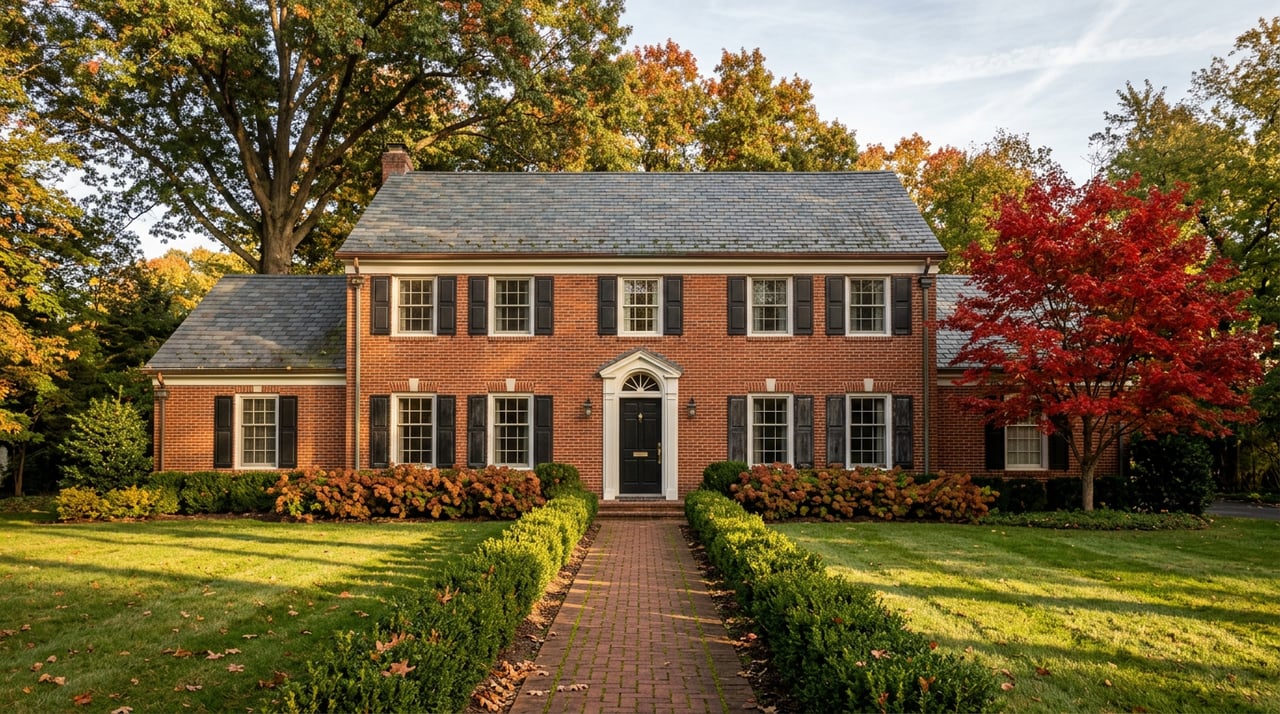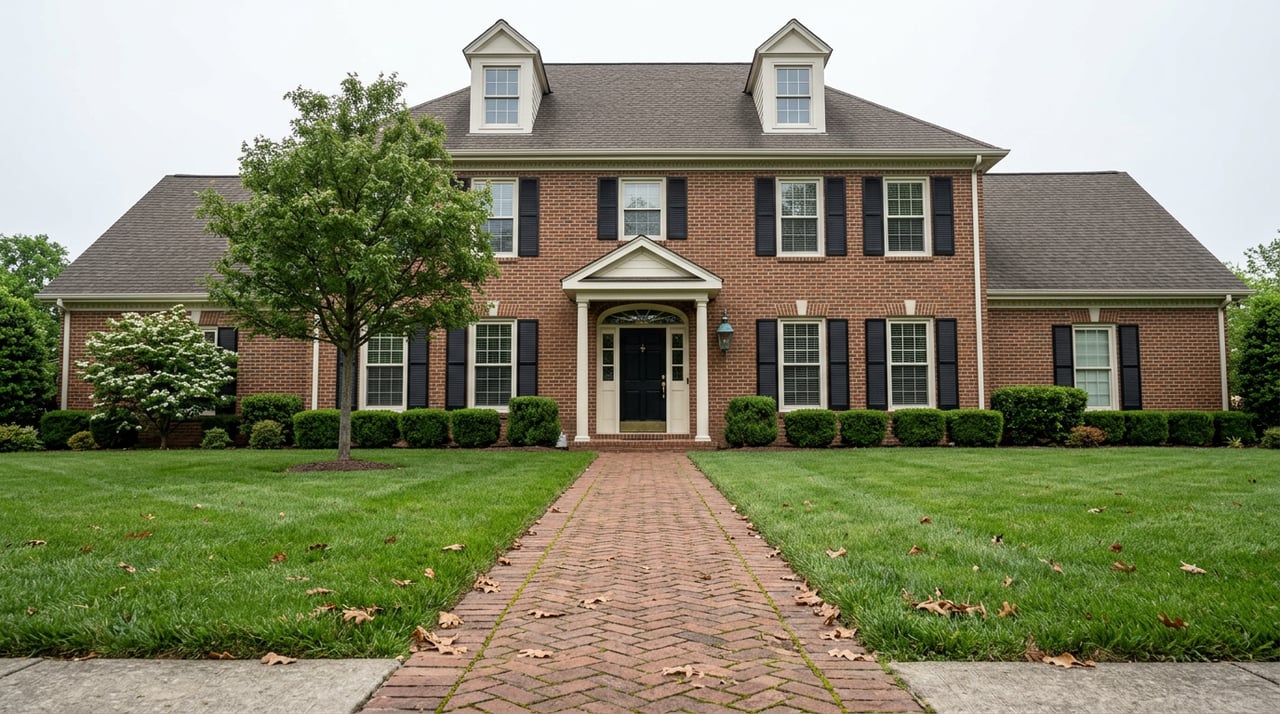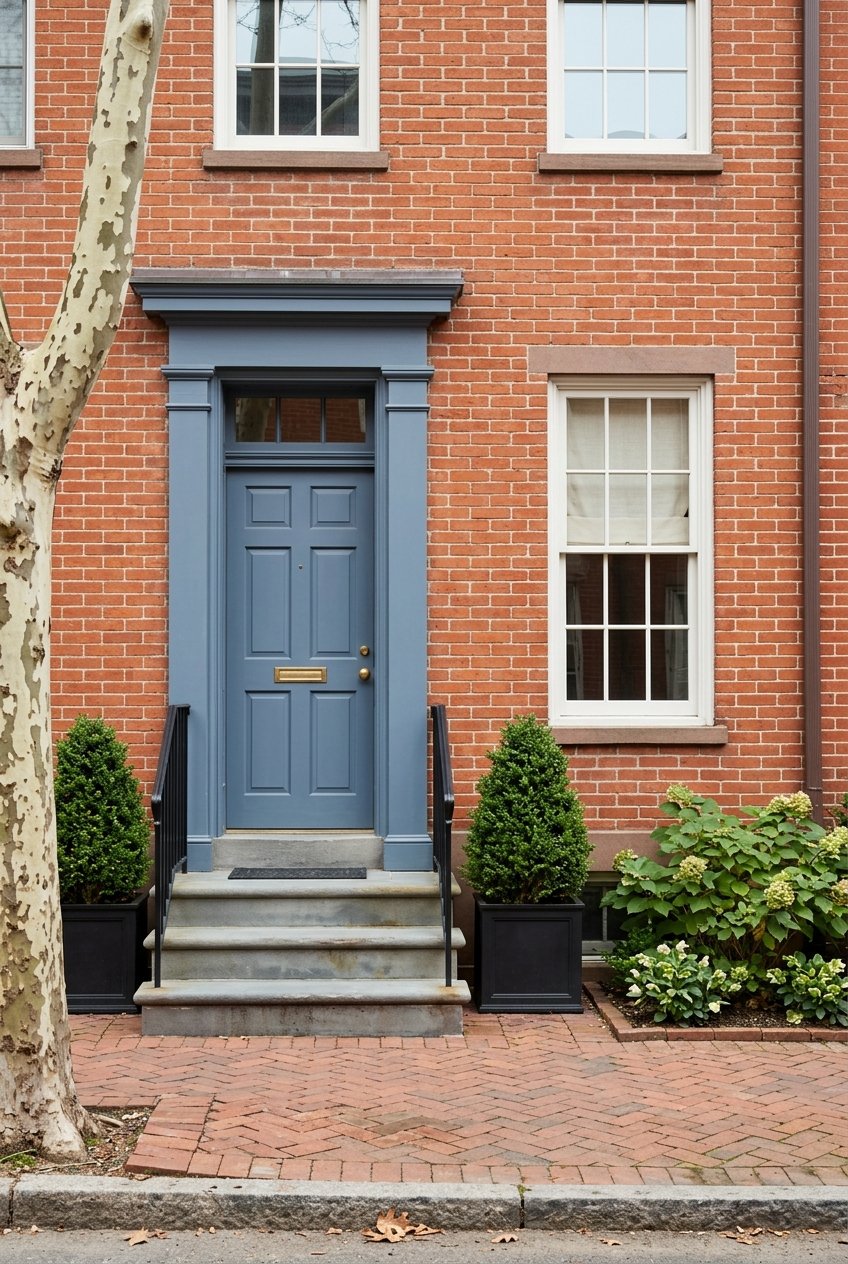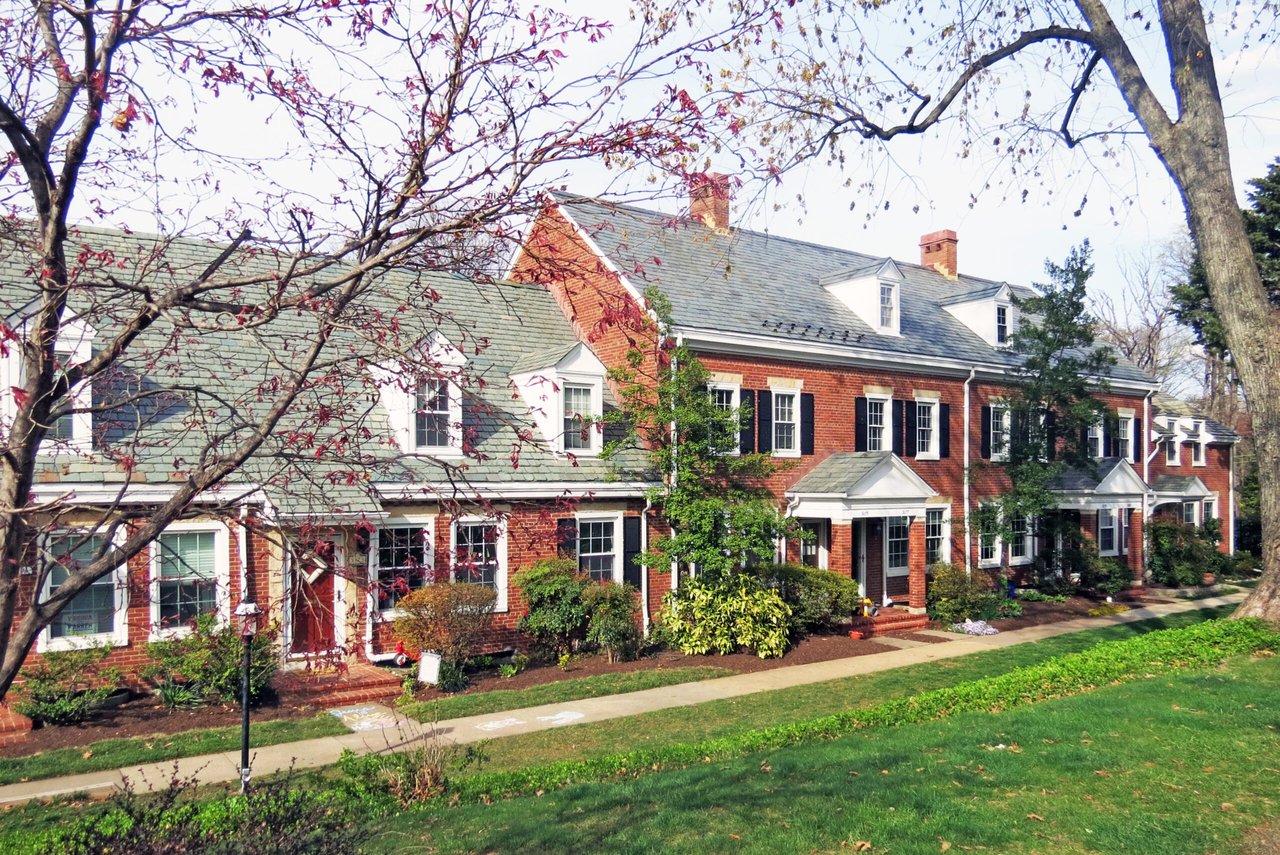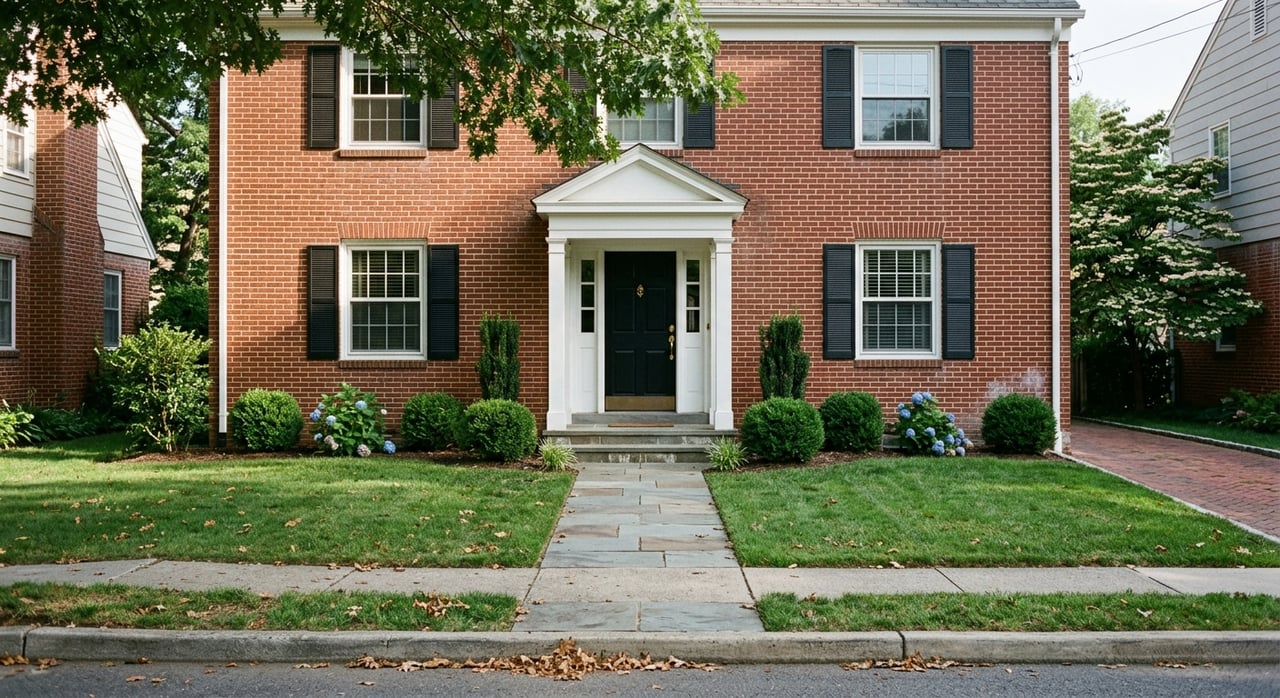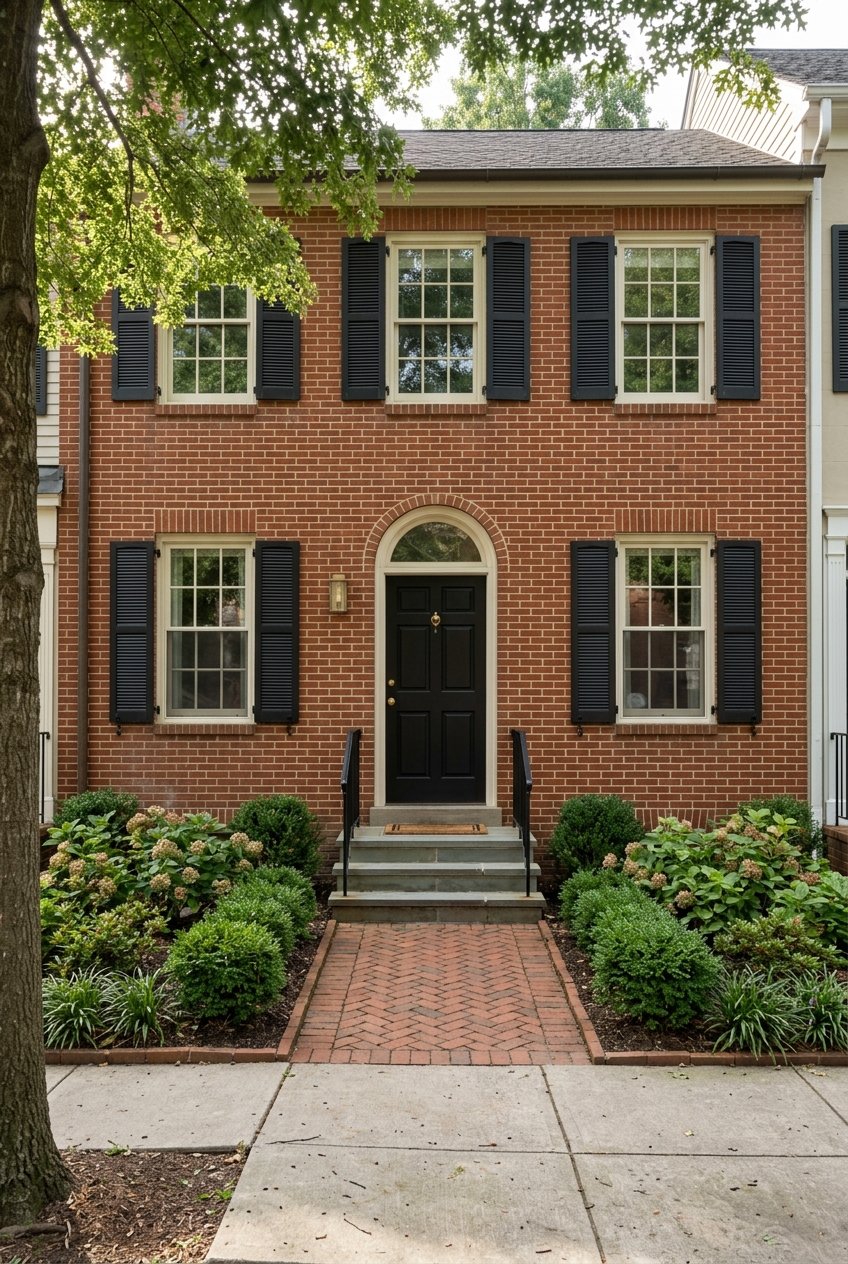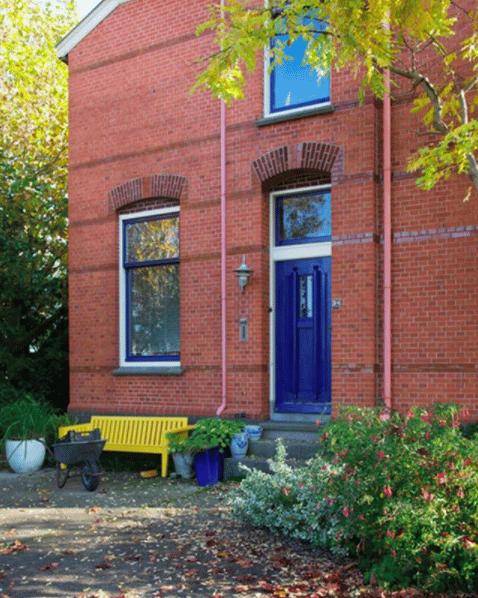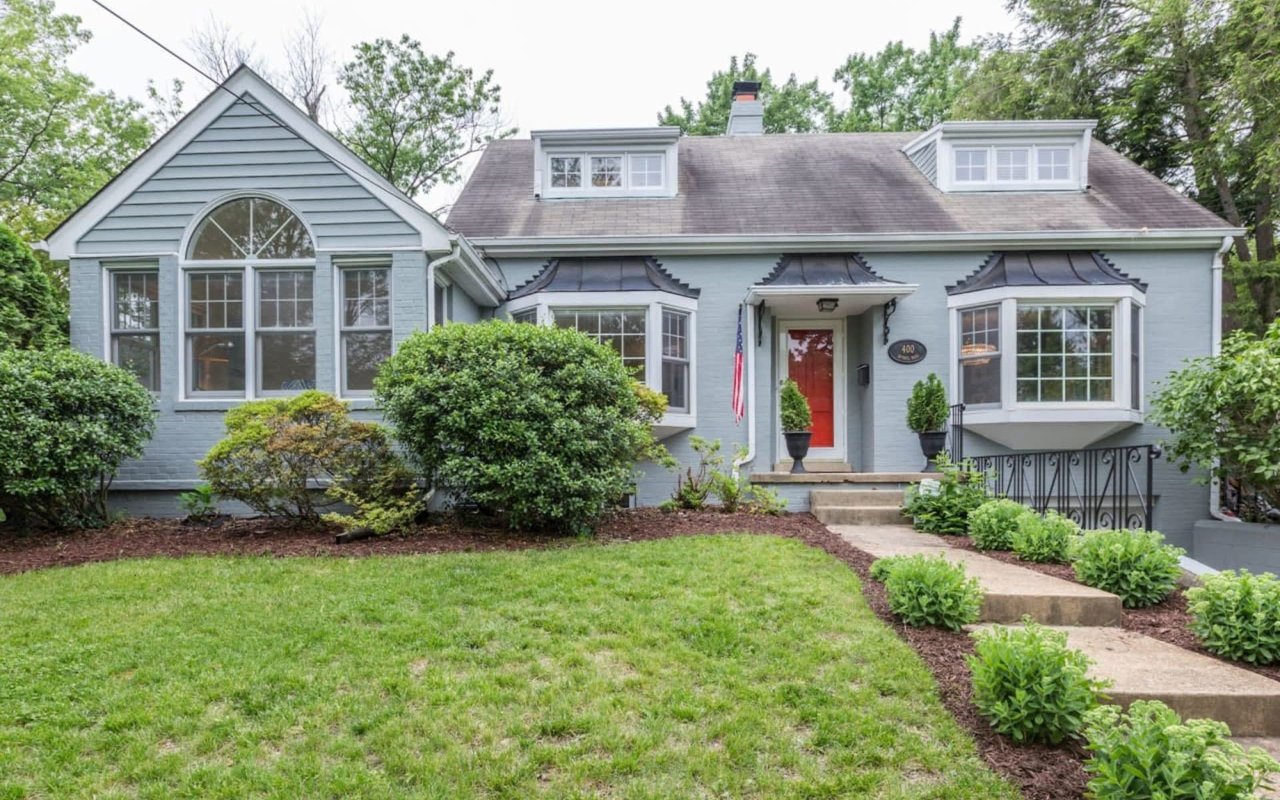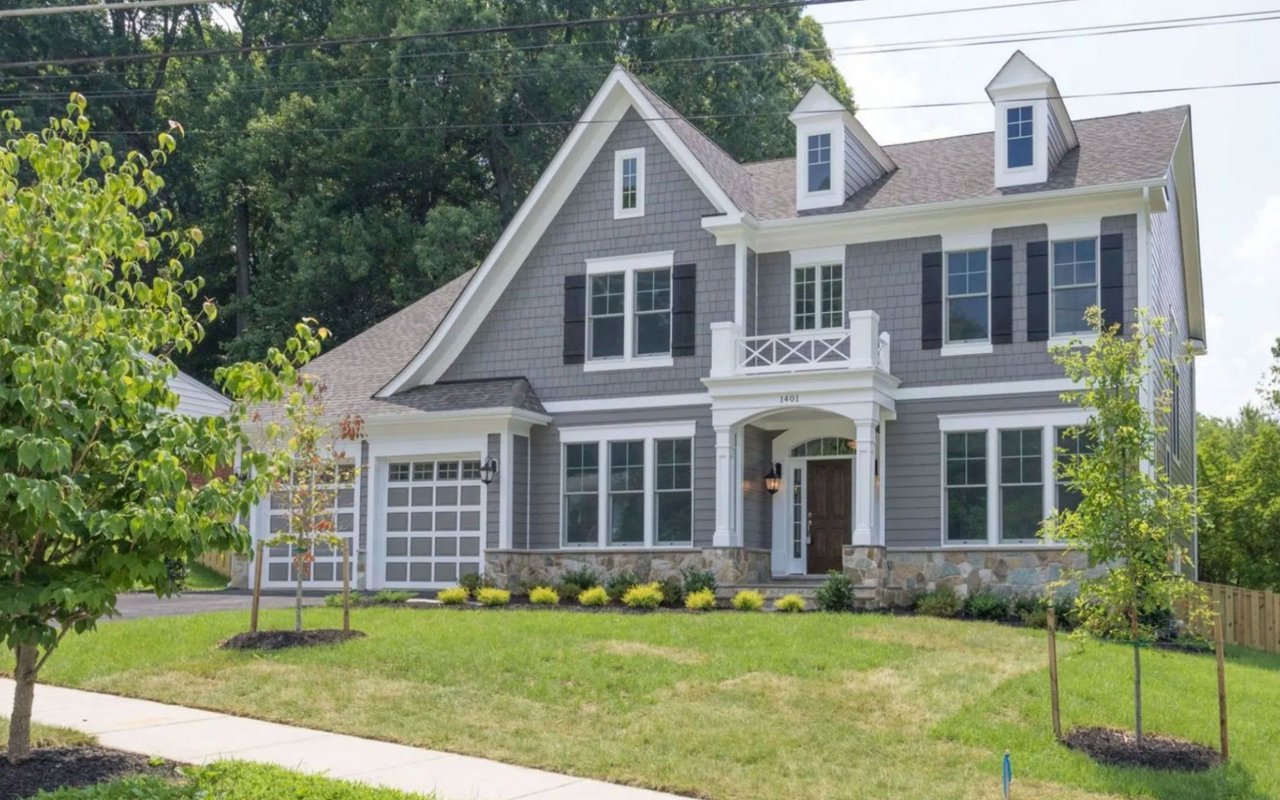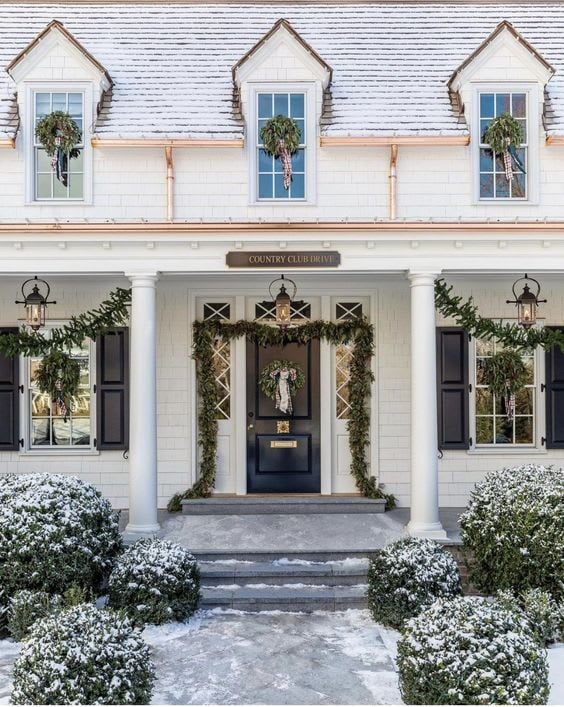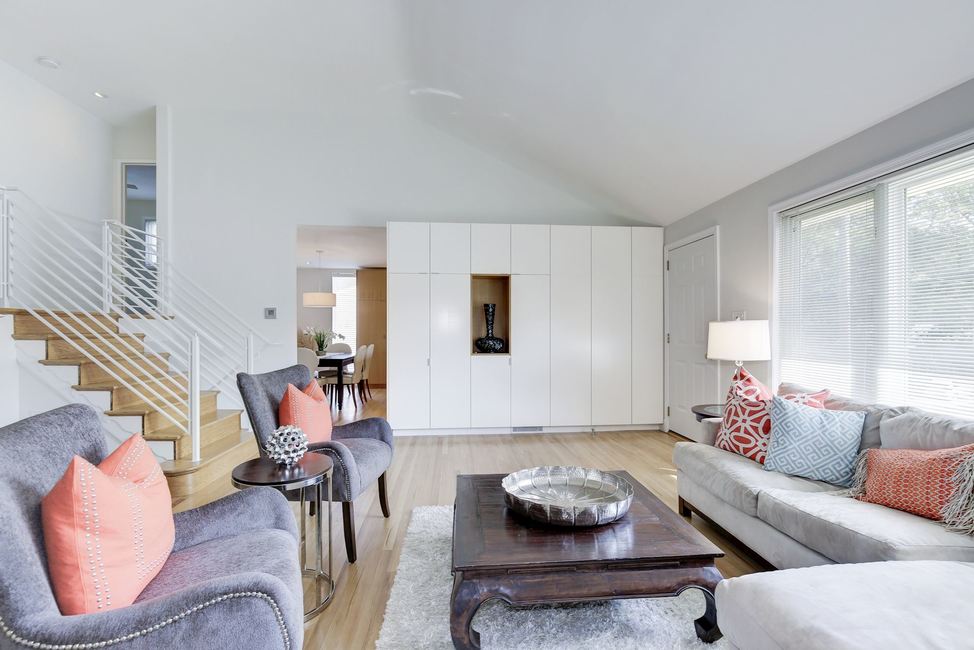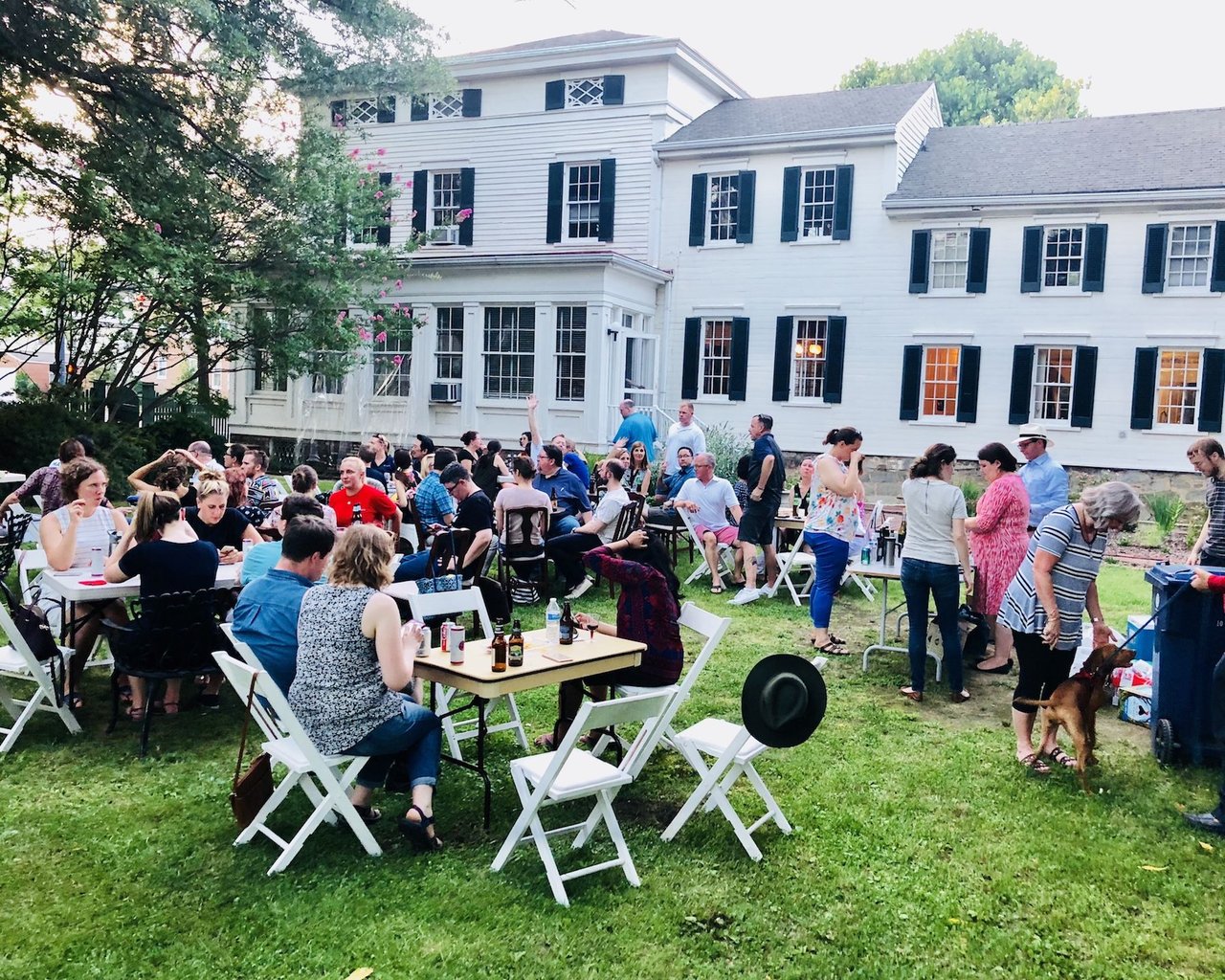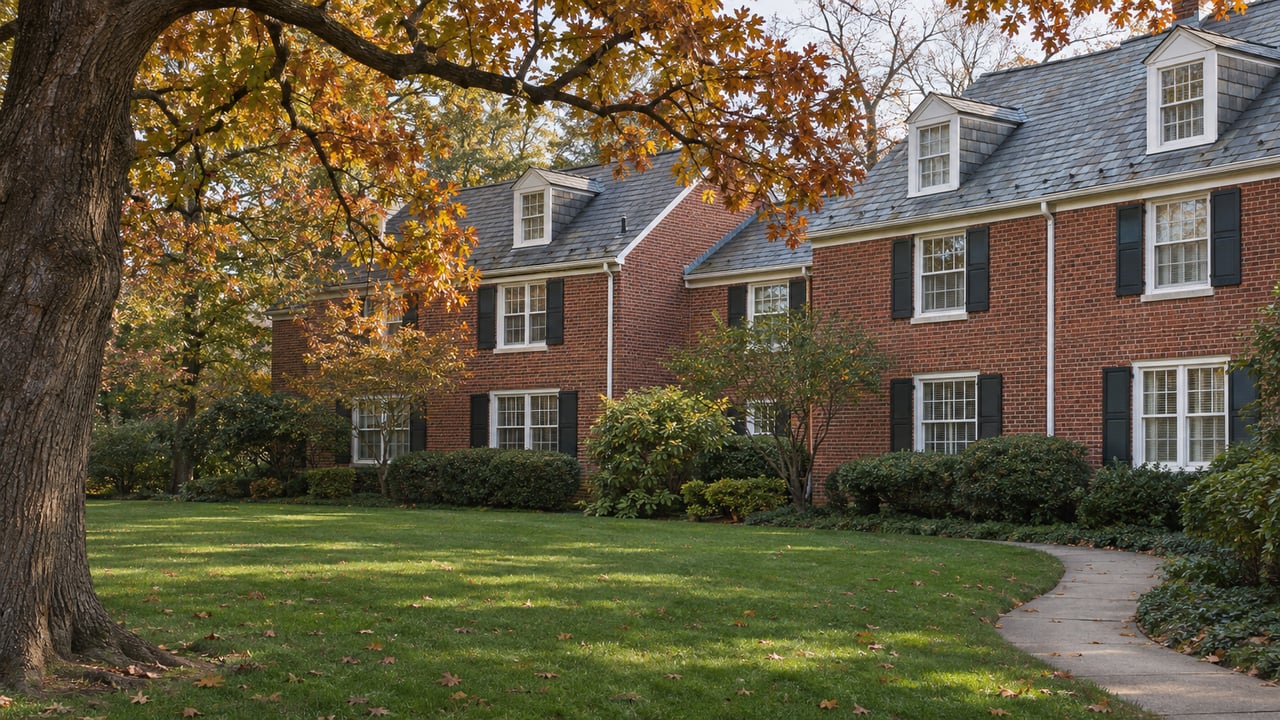
Two Fairlington listings can share the same brick, slate roof and 1940s colonial lines, and come on the market within weeks of each other at similar prices. Why would one cost more to own each month? The list price doesn't tell you. The answer is in three places most buyers reach late: the unit's original model type, the condominium association that governs it, and, for a small number of homes, which local government sends the tax bill.
Each of those is fixed long before a buyer shows up. The fee was effectively set during the 1970s condo conversions. The association's financial habits are set by its board and its reserve study. A short list of north Fairlington blocks has been taxed by the City of Alexandria since a boundary change in the mid-1960s. A buyer who compares Fairlington homes on price alone is comparing the one number that tells you least about the monthly cost.
The Fee Was Set Before the Price Was
Fairlington started as a rental community. According to the Fairlington Historical Society, the units were renovated and sold as condominiums between 1972 and 1977. The conversion left Fairlington with seven separate condominium associations, which are Fairlington Arbor, Commons, Glen, Green, Meadows, Mews and Villages.
Within each association, every home carries a fixed percentage interest in the common elements, and that percentage sets the owner's share of expenses. Fairlington Glen spells out the math in its newsletter. It takes the association's total assessment revenue, multiplies it by each model's ownership percentage, divides by 12 and rounds. Fairlington Villages describes its fees the same way, as "assessed based on unit's share of Association equity."
So what a home sells for has nothing to do with its fee. A renovated kitchen, a finished basement or a bidding war in spring does not move it. The model name and the percentage attached to it do. Here is how that looks in Fairlington Glen's 2026 dues table, which lists monthly assessments by unit type:
| Glen unit type | Ownership percentage | 2026 monthly dues |
|---|---|---|
| Braddock, interior | 0.00195 | $345 |
| Barcroft, interior | 0.00243 | $429 |
| Edgewood, interior | 0.00263 | $465 |
| Clarendon, interior | 0.00297 | $525 |
| Clarendon, end | 0.00304 | $537 |
| Dominion | 0.00351 | $620 |
| Arlington | 0.00379 | $670 |
The interior and end versions of the same model differ by about $12 a month in Glen. Across the full range, an Arlington model pays nearly twice what an interior Braddock pays. That gap stays the same however the two homes are priced, so a buyer stretching for a larger model is also signing up for the larger fee that comes with it.
Those dues pay for a lot. Glen lists insurance, payroll, pool operations, snow removal, landscaping, trash, pest control, water and sewer, common-area electricity, legal bills and reserve contributions. When you compare a Fairlington fee with a single-family home's monthly costs, remember how many of those bills the fee already covers.
The Same Model Name Can Sit in Different Budgets
The model names repeat across Fairlington because the whole community was built from a shared set of plans. The associations still keep separate books. Fairlington Villages, which calls itself North Fairlington, has 27 unit types. Its fiscal year 2027 fees run from $3,504 to $8,412 a year, and its most common type, the Clarendon II, pays $5,844. Divided by 12, that range is roughly $292 to $701 a month, and the Clarendon II comes to about $487.
Glen's interior Clarendon pays $525 a month, or $6,300 a year. A Villages Clarendon II and a Glen interior Clarendon appear as separate entries in separate schedules, and variants of a model are not always identical. A shared model name does not mean a shared fee, so the figure to rely on is the one in that unit's resale disclosure.
The calendars differ too. The Villages fiscal year began October 1, 2026, with a 2.5% fee increase. The board approved a $9,797,743 budget at its August 5 meeting. The association's September 2026 newsletter says fees rose faster than total spending, which grew 2%, largely because of lower interest income. Glen's schedule runs on a calendar year, and its 2026 dues reflect a factor of about 2.6%. A buyer closing this winter could see a Villages fee that has just been reset and a Glen fee that is about to be reset for the new year.
How an Association Pays for a Slate Roof
The monthly fee also shows how an association plans to pay for big repairs, and this is where the seven associations can differ most.
The same Villages newsletter describes a long habit of small annual increases "to avoid large single-year fee hikes and special assessments," and states that Fairlington Villages "has never had a special assessment in its 48-year history." The association commissions an independent reserve study every five years. The most recent update was completed in May 2024, and it recommends raising fee-funded reserve contributions by 1% a year. The FY27 budget does that, adding $32,360, and the next study update is planned for FY29. The projects those reserves pay for include parking and pavement, pool-house work, slate roofs, fences, masonry, gutters and louvers, and wood trim.
Glen's board has approved a contract to replace fences more than 20 years old during 2026 and 2027. According to Glen's project notice, work begins with a mock-up in Court 13 and then moves through the courts in numerical order, with Court 1 projected to start as early as November 16, 2026. The association calls all of these "soft dates." Projects like that are what reserve contributions exist for. The questions for a buyer are how an association funds them, how recent its reserve study is, and whether the current fee already accounts for them.
This is why a slightly higher fee is not automatically a worse deal. A fee that steadily funds reserves is paying for roofs and masonry in advance. A lower fee may be just as healthy, or it may be putting off costs, and only the association's budget and reserve documents can tell you which.
A Few Blocks That Pay Alexandria's Rate
The third difference is the smallest and the easiest to miss. Arlington County's 2013 Fairlington-Shirlington Neighborhood Conservation Plan describes a boundary line that follows Route 7, dips into north Fairlington and returns. It puts roughly 100 households, about 300 residents, inside the City of Alexandria. The plan names the streets: two blocks of Columbus Street, one block of 30th Street S., one block of 28th Street S., S. Dinwiddie Street, and 29th Road S. Those homes are in Alexandria "for purposes of taxation and voting," but they have Arlington mailing addresses and use many county services, including library accounts and county fitness center memberships.
The tax rates differ. Arlington adopted a calendar year 2026 real estate rate of $1.053 per $100 of assessed value, up 2 cents from 2025. Alexandria's calendar year 2026 rate is $1.135 per $100. That works out to about $82 more a year for every $100,000 of assessed value. On a home assessed at $500,000, the bill would be about $5,265 in Arlington and about $5,675 in Alexandria, a difference of roughly $410 a year.
Assessments also moved differently this year. Arlington reported that residential values rose 3.2% for 2026. Alexandria reported a 4.40% overall increase in residential assessments and an average condominium assessment of $460,185, up 2.81%. For a buyer, the practical point is to check the jurisdiction on the tax record. The mailing address will say Arlington either way.
Why the Fee Matters More This Season
All of this has always been true in Fairlington. The regional market makes it more relevant this fall. According to the Northern Virginia Association of Realtors' September 2026 report, the region had 3,477 active listings in September 2026, up 30.7% from a year earlier, with 2.5 months of supply. Homes sold in an average of 28 days, at a median price of $744,950. Those numbers cover all of Northern Virginia, not Fairlington alone. Still, a buyer with more listings to choose from can compare more carefully, and the monthly carrying cost is something that comparison should include alongside price.
Before you make an offer on a specific Fairlington home, these are the items worth getting in writing:
- The unit type and its percentage interest, as the association records them.
- The current fee, and when it next changes, which depends on whether the association runs on a fiscal year or a calendar year.
- The date of the most recent reserve study and whether the budget funds what it recommends.
- Any announced capital projects, such as Glen's fence program, and how they are being paid for.
- The jurisdiction on the tax record, especially on the north Fairlington streets named in Arlington's plan.
Fees for some associations, including Arbor, Commons, Green, Meadows and Mews, sit behind owner portals. For those homes, the resale disclosure packet is where these numbers appear, and it is worth reading before you set your offer price.
A Few Questions Buyers Ask
Does a higher sale price mean a higher condo fee in Fairlington? No. Glen and Villages both base fees on each unit's share of the association, set by unit type, so a renovation or a higher sale price does not change the fee.
If a home is in the Alexandria part of Fairlington, is it still part of the Fairlington community? Yes. Arlington's plan describes these households as Fairlington residents who use many county services and have Arlington mailing addresses. Their property tax and voting are handled by the City of Alexandria.
Has Fairlington Villages ever had a special assessment? Its September 2026 newsletter says it has not in its 48-year history.
This post is general information, not legal, tax or financial advice. Each association's governing documents and each home's tax record control, so please confirm the details of a specific home with the appropriate professional before you rely on them.
If you're comparing Fairlington homes and want to understand the fee schedules, reserve studies and tax records behind each listing before you offer, Jessica Richardson and her team would be glad to go through them with you. Book an appointment, and we'll put the full monthly cost of each home you're considering next to its price.